First Light 007: How Silence is Redefining Video Game Audio
Silence isn’t typically a word associated with blockbuster entertainment. Yet in First Light 007, it’s the most powerful weapon in the arsenal—and the most subtle. Released as a companion piece to the broader 007 universe, this experimental audio-visual project redefines how players experience atmosphere, tension, and narrative through sound.
Developed by a small team of audio engineers and narrative designers, First Light 007 strips away traditional orchestral scores and gunfire blasts. Instead, it uses ambient soundscapes, dynamic silence, and real-time audio processing to create an immersive experience that feels like stepping into a Bond film rather than playing one.
The Philosophy Behind the Silence
At its core, First Light 007 challenges the conventions of video game soundtracks. Where most titles rely on swelling strings or pulsating electronic beats to signal danger or action, this project does the opposite. It removes the auditory noise to force players to rely on visual cues and environmental storytelling.
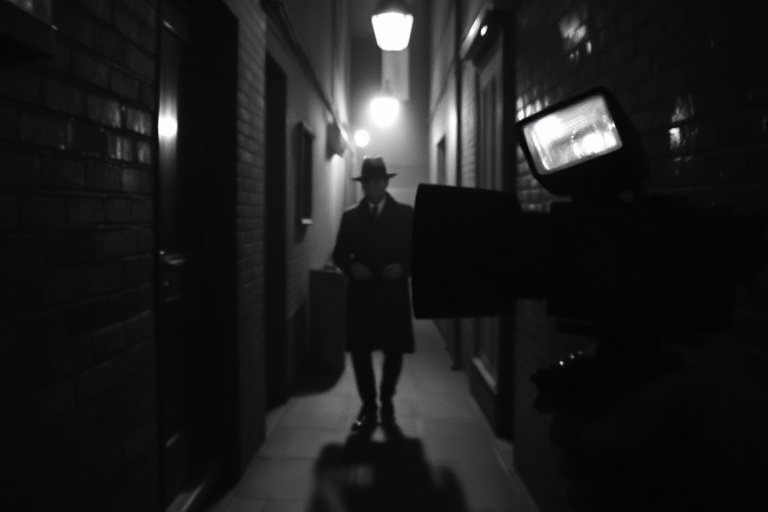
The team behind the project cites early cinema and radio dramas as key influences. They wanted to recreate the tension of a 1960s spy thriller where suspense is built through pacing and absence, not constant stimulation. This approach isn’t entirely new—games like Hellblade: Senua’s Sacrifice and Alien: Isolation have experimented with psychological audio—but First Light 007 applies it specifically to the James Bond mythos.
According to lead audio designer Elena Vasquez, “We weren’t trying to make another action score. We were trying to make players feel like spies. Spies listen. Spies wait. Spies act when no one is listening.”
Breaking Down the Audio Layers
First Light 007 uses a three-tiered audio system:
- Ambient Layer: Real-world sounds like rain on windows, distant traffic, or the hum of a hotel air conditioner. These create the setting without drawing attention.
- Interactive Layer: Sounds triggered by player movement—footsteps on marble, the creak of a door, the soft click of a wristwatch button. These respond dynamically to player actions.
- Narrative Layer: Subtle audio cues that guide the story. A distant phone ringing might signal a call to action. A sudden silence might indicate danger ahead.
The result is an experience where sound isn’t just background—it’s a character. It tells the player when to move, when to hide, and when to strike.
From Concept to Reality: The Challenges
Creating a game without a traditional soundtrack wasn’t just an artistic choice—it was a technical hurdle. Most game engines are optimized for layered music and dynamic score triggers. First Light 007 had to rewrite the rulebook.
The development team used a modified version of the Unity engine, stripping out standard audio middleware like FMOD and Wwise in favor of a custom system they called “SilentSync.” This system allowed them to map sound to player intent rather than to in-game events. For example, if a player lingers near a door, ambient sounds fade slightly, creating a moment of quiet tension.
Another challenge was player expectations. Early playtesters reported feeling “unmoored” without the familiar cues of a Bond score. Vasquez noted, “People expected the ‘James Bond Theme’ to play when they drew their weapon. When it didn’t, they panicked. That was exactly what we wanted.”
The team had to redesign tutorials and onboarding to teach players to listen differently. They introduced a “sound journal” feature that lets players replay key audio moments, reinforcing the narrative through memory rather than immediate feedback.
Reception and the Future of Audio in Gaming
First Light 007 launched as a free download on PC and consoles in early 2024. Initial reviews were polarizing but thought-provoking. Gaming critics praised its innovation but questioned its replayability. “It’s not a game you play,” wrote one reviewer for Kotaku. “It’s a game you experience.”
Players on Reddit and Discord split into two camps: those who loved the meditative pace and those who missed the adrenaline rush of a traditional Bond score. Some modders have already begun creating “remix” versions that layer in orchestral music, proving the project’s flexibility—and its divisive nature.
Despite the mixed reactions, First Light 007 has sparked conversations about audio design in gaming. It challenges developers to think beyond music as a mood-setting tool and consider sound as an active narrative device. This could influence future titles in stealth games, psychological horror, and even narrative-driven RPGs.
A Glimpse Into the Future
The team behind First Light 007 has hinted at future projects that expand on this audio-first philosophy. One upcoming release, Whisper Protocol, is said to use directional audio and bone conduction headphones to create a fully immersive spy simulation. Another project, Echo Protocol, will allow players to record their own ambient soundscapes and share them online—turning the community into co-creators.
For now, First Light 007 stands as a bold experiment. It’s not the kind of game that wins awards for graphics or gameplay mechanics. It wins by making players listen—and in a world of constant noise, that’s revolutionary.
Why This Matters Beyond Gaming
The implications of First Light 007 extend beyond entertainment. In an era where digital environments are increasingly saturated with sensory input, the project offers a model for mindful design. It asks: What happens when we remove the noise? What do we notice? How does it change our perception of space and time?
This approach aligns with broader trends in wellness and digital minimalism. Apps like Forest and Freedom help users reduce screen time. Games like Journey and Gris use minimalism to evoke emotion. First Light 007 applies that philosophy to audio, proving that less can indeed be more.
It also raises questions about accessibility. For players with sensory sensitivities, traditional game soundtracks can be overwhelming. First Light 007 offers an alternative—an experience that respects individual thresholds for stimulation.
As technology advances, we may see more games embrace silence as a design choice. It’s not about removing fun—it’s about redefining it. In a medium often criticized for sensory overload, First Light 007 is a breath of fresh air.
“In a world of noise, silence is the ultimate luxury—and the ultimate power.”
— Elara Vasquez, Lead Audio Designer, First Light 007
For players tired of the same old audio formulas, First Light 007 isn’t just a game. It’s an invitation—to listen, to wait, to act. And sometimes, that’s enough.
To explore more experimental sound design in games, visit our Gaming section. For deeper analysis on narrative-driven experiences, check out our Entertainment category.