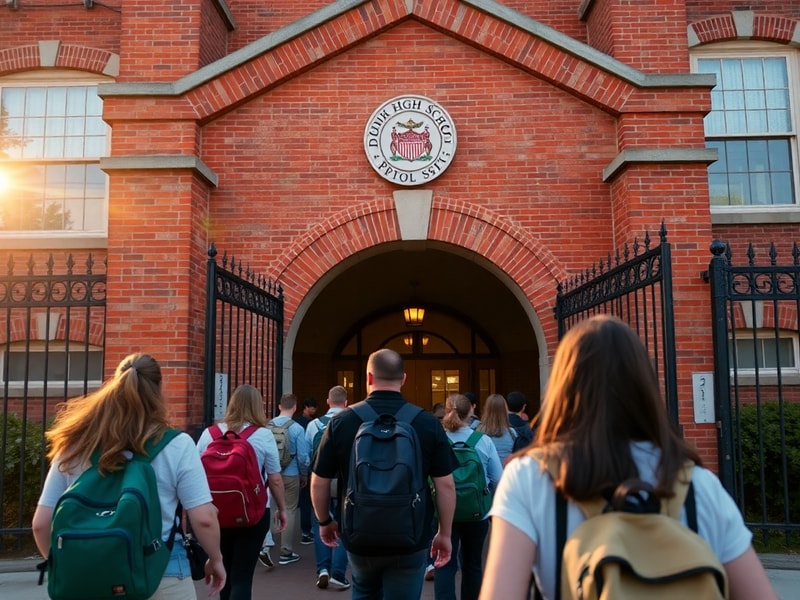
For many students, the transition from high school to college isn’t just about academic growth—it’s also about gaining independence. Living off-campus has become an increasingly popular option, offering a balance between responsibility and freedom. This choice comes with unique challenges and rewards, from budgeting for rent to navigating landlord relationships. Whether driven by financial necessity, a desire for privacy, or simply the chance to live more like an adult, off-campus housing requires careful planning.
The Financial Reality of Off-Campus Housing
One of the most immediate considerations for students eyeing off-campus living is cost. While dorms often bundle expenses like utilities and internet into a single fee, off-campus housing typically requires separate payments. Rent prices vary dramatically depending on location, with urban areas commanding premium rates. Students should also account for additional costs such as groceries, transportation, and potential furniture purchases.
To make off-campus living financially feasible, many students adopt budgeting strategies. Shared housing with roommates can significantly reduce individual costs, though it requires clear communication about shared expenses. Some opt for apartments slightly farther from campus to secure lower rents, balancing commute times against savings. Others look for student-specific housing options, which sometimes offer discounted rates or flexible lease terms.
Financial aid and scholarships can sometimes be applied to off-campus living expenses, though policies vary by institution. Students should consult their school’s financial aid office to confirm eligibility. Additionally, part-time jobs or paid internships can help offset housing costs, though they require careful time management to avoid academic strain.
The Social and Academic Impact of Off-Campus Life
Living off-campus can reshape a student’s social experience. Without the built-in community of a dorm, students must actively build their networks. This might involve joining clubs, attending campus events, or participating in local activities. While some students thrive in this environment, others may feel isolated without the constant peer interaction of dorm life.
Academically, off-campus living offers both advantages and drawbacks. The solitude of an apartment can provide a quiet space for studying, free from the distractions of a shared dorm. However, the lack of built-in academic support—such as RA-led study sessions—means students must be more disciplined in managing their workload. Proximity to campus also plays a role; those living farther away may struggle with commute times affecting punctuality or participation in early classes.
Time management becomes critical when balancing off-campus responsibilities. Students must coordinate meal prep, laundry, and household chores alongside academic deadlines. Many find that this self-reliance translates into stronger life skills, though it can initially feel overwhelming.
Navigating Landlords and Lease Agreements
For students unfamiliar with rental markets, lease agreements can be a source of confusion. Unlike dorm contracts, which are typically standardized, off-campus leases vary widely in terms of duration, penalties, and included amenities. Common lease lengths range from 9 to 12 months, with summer subletting options sometimes available.
Before signing a lease, students should thoroughly inspect the property for issues like mold, pest infestations, or faulty appliances. Documenting these problems in writing can protect tenants from unfair deductions when it’s time to move out. Many landlords require a security deposit, which is usually refundable if the unit is left in good condition.
Understanding tenant rights is crucial, especially for first-time renters. Students should research local laws regarding security deposits, eviction processes, and maintenance responsibilities. Some schools offer resources or workshops on renting, which can provide valuable guidance. For those unsure where to start, resources like Dave’s Locker’s Education section offer insights into managing off-campus living effectively.
Choosing the Right Off-Campus Location
Location is a key factor in off-campus living, influencing everything from commute times to neighborhood safety. Proximity to campus is often prioritized, but students should also consider factors like public transportation access, grocery store proximity, and nightlife safety. Many universities publish guides or maps highlighting safe and student-friendly neighborhoods.
Safety is a top concern for students and parents alike. Researching crime statistics for potential areas can provide peace of mind. Some students prefer living in gated communities or buildings with secure entry systems. Others opt for neighborhoods with active student populations, as these areas often have informal support networks and shared experiences.
Commute options also play a role in location decisions. Students without cars may prioritize proximity to bus routes or bike lanes. Those with vehicles should consider parking availability and costs, which can add up quickly in densely populated areas. Walking distances to campus buildings, libraries, and dining options should also factor into the decision.
Questions to Ask Before Signing a Lease
- Are utilities included in the rent, or will I need to set them up separately?
- What is the policy on subletting or early lease termination?
- Are there any hidden fees, such as parking permits or maintenance charges?
- How are maintenance requests handled, and what is the typical response time?
- Is the neighborhood safe, and what safety measures are in place?
Balancing Independence with Responsibility
Ultimately, off-campus living is about more than just having a place to sleep—it’s a step toward adulthood. Students must learn to manage their time, finances, and relationships independently. This includes handling conflicts with roommates, addressing maintenance issues with landlords, and even advocating for themselves in academic or administrative settings.
The experience can be incredibly rewarding. Many students gain confidence in their decision-making abilities, from choosing a neighborhood to negotiating lease terms. They also develop practical skills like cooking, budgeting, and conflict resolution. These lessons often extend beyond college, shaping their approach to future housing and professional environments.
However, the transition isn’t without its challenges. Isolation, financial stress, and academic pressures can create significant hurdles. Students who struggle may benefit from seeking support, whether through campus counseling services or local community groups. Building a network of peers who are also navigating off-campus life can provide camaraderie and shared solutions.
For those considering off-campus living, preparation is key. Researching neighborhoods, visiting potential properties, and consulting with current off-campus students can provide invaluable insights. Taking the time to understand the process can turn what feels like a daunting leap into a manageable—and even exciting—step toward independence.