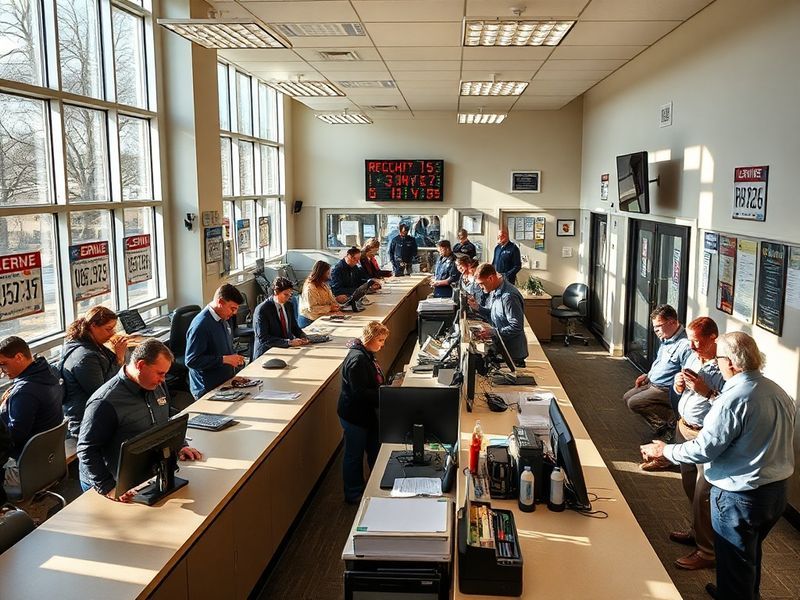
The Massachusetts Registry of Motor Vehicles (RMV) serves as the state’s central hub for all driver and vehicle-related services. From licensing and registration to road safety initiatives, the RMV plays an essential role in ensuring smooth mobility for residents. Despite its importance, navigating the RMV’s processes can be challenging due to evolving policies and online service expansions.
As digital transformation reshapes public services, the RMV has adapted by increasing online offerings and streamlining in-person visits. Understanding how to access these services efficiently can save drivers time and reduce frustration. This guide explores the key functions of the RMV, recent policy updates, and practical tips for a smoother experience.
Core Services Offered by the Massachusetts RMV
The RMV provides a wide range of services to support Massachusetts drivers and vehicle owners. These are designed to ensure compliance with state laws while promoting road safety. Below are the primary offerings available to the public.
- Driver’s Licensing: New drivers can apply for learner’s permits, junior operator licenses, or standard licenses. The RMV also handles renewals, replacements, and upgrades between license classes.
- Vehicle Registration & Title Services: Owners must register vehicles within 30 days of residency or purchase. The RMV processes titles, transfers, and renewals for passenger cars, motorcycles, and commercial vehicles.
- Inspection & Emissions Compliance: Massachusetts requires annual safety and emissions inspections. The RMV works with certified stations but handles compliance documentation and violations.
- Suspensions & Violations: Drivers facing suspensions, revocations, or fines can resolve cases through the RMV. The agency manages point systems, hearings, and reinstatement requirements.
- Disability Services: Plates, placards, and parking privileges for disabled drivers are processed through dedicated RMV branches with specialized staff.
In recent years, the RMV has expanded its online portal, Automotive Services, to handle many of these functions remotely. This shift reflects broader trends in government digitization, aiming to reduce wait times and improve accessibility.
Recent Policy Changes and Updates
Like many state agencies, the Massachusetts RMV periodically updates its policies to align with new laws and technological advancements. Several changes in the past two years have significantly impacted drivers and vehicle owners.
One of the most notable updates was the expansion of the Real ID program. Starting in May 2025, Massachusetts residents will need a Real ID-compliant license or passport to board domestic flights or enter federal facilities. The RMV has prioritized Real ID processing, offering online appointments and dedicated service counters to meet demand.
Another major shift has been the phased elimination of legacy license plates. As of 2023, the RMV no longer issues standard metal plates. Instead, drivers receive digital plates or new designs, with vintage plates available for collectors through a separate application process.
The RMV has also adjusted its emissions testing requirements to meet federal air quality standards. Certain older vehicles now face stricter testing protocols, and the agency has partnered with inspection stations to improve compliance rates across the state.
For commercial drivers, updates to the Commercial Driver’s License (CDL) program now require additional background checks and medical certifications. These changes aim to align with federal regulations but have added complexity for truckers and fleet operators.
Navigating the RMV: Tips for a Smoother Experience
Despite its digital advancements, the RMV remains a high-traffic agency where wait times can vary significantly. Preparation and strategic timing can make a substantial difference in efficiency.
First, always check the Education section of the RMV website before visiting. It includes current wait times, required documents, and service-specific checklists. For example, first-time license applicants must bring proof of identity, residency, and Social Security number—missing any of these can result in a return trip.
Online services should be the first option for tasks like registration renewals, address changes, or duplicate requests. The RMV’s Virtual Assistant tool can answer common questions and guide users through forms without needing to call or visit. For complex issues, scheduling an appointment online is far more reliable than walk-in visits, which often lead to long queues.
Another pro tip: visit during off-peak hours. The RMV is least crowded on weekday afternoons, especially after 2 p.m., and on Fridays, fewer people renew registrations. The agency also offers limited Saturday hours at select branches, which can be ideal for working professionals.
For those needing in-person assistance, consider visiting a RMV Connect kiosk at certain grocery stores or AAA offices. These locations offer basic services like license renewals and registration without an appointment, further reducing wait times at full-service branches.
The Future of the RMV: Trends and Challenges
The RMV continues to evolve in response to technological progress and public demand. Several trends are shaping its future direction, each presenting both opportunities and challenges.
One key focus is the integration of AI-powered customer service. The RMV has tested chatbots and automated email responses to handle routine inquiries, reducing call volume to live agents. While this improves efficiency, it also raises concerns about accuracy and user experience for those with complex issues.
The agency is also piloting mobile driver’s licenses, which would allow residents to store their credentials digitally on smartphones. This aligns with similar programs in other states and could eventually replace physical cards for routine identification needs. Privacy advocates, however, have raised questions about data security and accessibility for residents without smartphones.
Another challenge is the RMV’s aging infrastructure. Many of its legacy systems struggle to support modern digital demands, leading to occasional outages during peak renewal periods. The state has allocated funding to modernize its IT framework, but full implementation will take several years.
Environmental sustainability is also becoming a priority. The RMV has reduced paper waste by digitizing forms and encouraging online transactions. It has also introduced eco-friendly license plates made from recycled materials, reflecting broader state goals to reduce carbon emissions.
Despite these advancements, the RMV faces ongoing criticism over service consistency. Wait times and staffing shortages vary by location, with urban branches often overwhelmed compared to rural offices. Addressing these disparities will be crucial to maintaining public trust in the agency’s services.
Conclusion
The Massachusetts Registry of Motor Vehicles remains a vital institution for the state’s drivers and vehicle owners. While it has made significant strides in digital transformation, challenges like system modernization and service equity persist. By leveraging online tools, preparing thoroughly for visits, and staying informed about policy changes, residents can navigate the RMV more efficiently.
As the agency continues to adapt, its ability to balance innovation with accessibility will determine its long-term success. For now, understanding the RMV’s evolving landscape is the best strategy for avoiding delays and ensuring compliance with Massachusetts transportation laws.