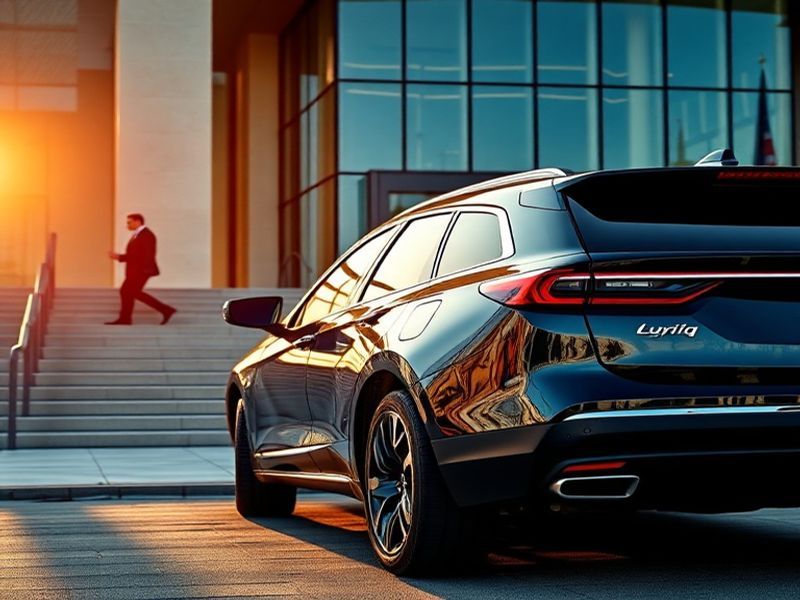
Cadillac Lyriq Lawsuit: Key Facts Every EV Owner Should Know
“`html
Cadillac Lyriq Lawsuit: What Owners Need to Know About the EV Recall
The Cadillac Lyriq, once hailed as a breakthrough in luxury electric vehicles, now faces legal scrutiny following reports of potential safety defects. A growing number of lawsuits allege manufacturing flaws that could compromise vehicle performance and passenger safety. These claims have prompted regulatory investigations and raised concerns among current and prospective Lyriq owners.
The situation underscores broader challenges in the electric vehicle industry, where rapid innovation sometimes outpaces quality control. For consumers, the lawsuit serves as a reminder to scrutinize manufacturer claims and understand their rights when purchasing high-tech automobiles. This article examines the allegations, their implications, and what steps affected drivers should consider.
What Are the Allegations Against the Cadillac Lyriq?
The primary legal challenge centers on allegations that certain Cadillac Lyriq models may suffer from defective battery systems or software malfunctions. Plaintiffs in multiple lawsuits claim these issues can lead to unexpected power loss, charging failures, or even unintended acceleration. While General Motors has not issued a full recall, the National Highway Traffic Safety Administration (NHTSA) has opened an investigation into these concerns.
Key areas of contention include:
- Battery performance degradation – Some owners report reduced range over time that exceeds normal wear.
- Software glitches – Complaints cite infotainment system crashes and regenerative braking inconsistencies.
- Premature component failure – Allegations suggest certain electrical systems may fail before expected lifespans.
Legal filings suggest that these issues may stem from rushed production timelines as GM sought to capitalize on the growing EV market. While the automaker has issued several software updates to address complaints, critics argue such measures are insufficient without physical inspections or hardware replacements.
How This Lawsuit Fits Into the Broader EV Landscape
The Cadillac Lyriq lawsuit reflects a pattern seen across multiple EV manufacturers. As automakers race to meet consumer demand and regulatory emissions targets, some have prioritized speed over meticulous engineering. This has led to recurring issues with software stability, battery management, and long-term reliability in several high-profile models.
Industry analysts note that EV startups and legacy automakers alike have faced scrutiny over quality control. For instance, Tesla has repeatedly updated software to address driving dynamics complaints, while Rivian has recalled vehicles due to potential wheel detachment risks. The Lyriq case adds another data point to the conversation about whether the EV industry is sacrificing durability for innovation.
Consumer protection groups are now calling for standardized testing protocols for electric vehicle software and battery systems. They argue that current regulations lag behind technological advancements, leaving gaps that manufacturers can exploit. If successful, the Lyriq lawsuit could set a precedent for future claims involving battery-related defects in EVs.
What Should Cadillac Lyriq Owners Do Now?
Owners concerned about potential defects should take several proactive steps. First, review any manufacturer communications regarding software updates or recall notices. GM has released multiple over-the-air updates to address reported issues, though these may not resolve underlying hardware problems.
Document any unusual vehicle behavior, including warning lights, charging interruptions, or power fluctuations. Detailed records can strengthen a potential legal claim or warranty request. Owners should also check their state’s lemon law provisions, as these may apply if repeated repair attempts fail to resolve the issue.
For those considering legal action, consulting an attorney specializing in automotive defects is advisable. Many law firms offer free case evaluations, and plaintiffs may be eligible for compensation covering repair costs, diminished vehicle value, or even full buybacks in severe cases.
Meanwhile, prospective buyers should factor ongoing litigation into their purchasing decisions. While the Lyriq remains a compelling option in the luxury EV segment, the lawsuit highlights the importance of thorough pre-purchase research and extended warranty coverage.
Looking Ahead: The Future of EV Quality Assurance
The outcome of the Cadillac Lyriq lawsuit could influence how automakers approach quality control and consumer protection in the EV era. If courts rule in favor of plaintiffs, manufacturers may face stricter oversight and mandatory transparency regarding potential defects. This could slow production timelines but ultimately improve vehicle reliability.
Regulators are also taking note. The NHTSA’s investigation into the Lyriq could lead to new federal guidelines for EV software and battery diagnostics. Such measures might include real-time monitoring systems, mandatory third-party inspections, or standardized reporting requirements for safety-related incidents.
For the broader market, the lawsuit serves as a cautionary tale. As electric vehicles become mainstream, the industry must balance innovation with accountability. Consumers deserve vehicles that deliver on performance promises without compromising safety or long-term value. The Lyriq case may well shape the next chapter of EV adoption in America.
As the legal proceedings unfold, Cadillac and GM will need to address these concerns with transparency and urgency. For current owners, staying informed and proactive remains the best strategy. And for the industry at large, the Lyriq lawsuit could mark a turning point—one where quality finally catches up with ambition.