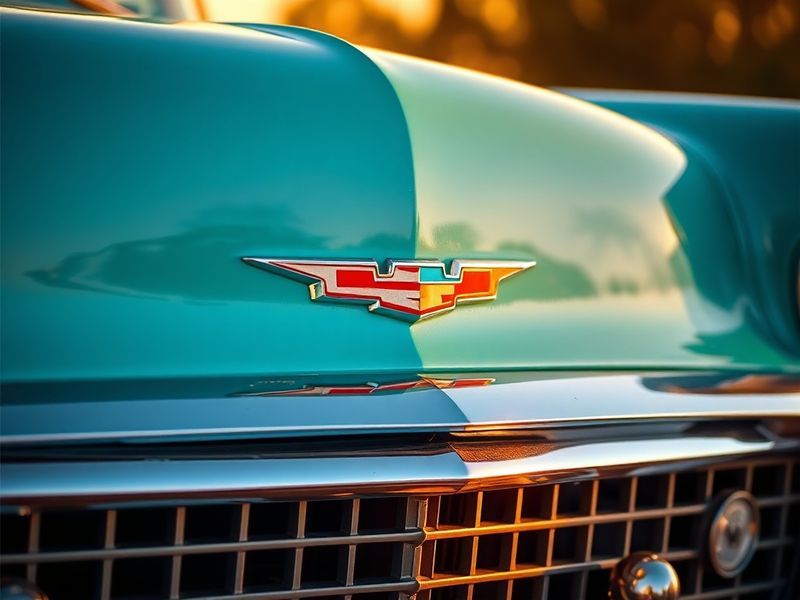
In the annals of British automotive history, few names carry the weight of tradition and innovation quite like Carhill Cars. Founded in 1923 in the heart of Birmingham, Carhill quickly established itself as a manufacturer of vehicles that balanced elegance with practicality. While the company never achieved the global recognition of contemporaries like Rolls-Royce or Bentley, its influence on the local automotive scene—and on generations of drivers—remains profound.
The story of Carhill Cars is one of resilience, adaptability, and quiet excellence. Operating during an era when the British motor industry was both celebrated and besieged by economic upheaval, Carhill managed to carve out a niche that prioritized craftsmanship over mass production. Today, as the world reappraises the value of hand-built vehicles and sustainable manufacturing, the principles that defined Carhill’s approach seem more relevant than ever.
The Origins and Evolution of Carhill Cars
Carhill Cars traces its roots to a small workshop in Birmingham, where founder Edward Carhill began producing bespoke automobiles for local clients. The early models were handcrafted, featuring aluminum bodies mounted on sturdy steel frames. Unlike the luxury marques of the time, which catered exclusively to the wealthy elite, Carhill targeted middle-class professionals who desired quality without extravagant price tags.
By the 1930s, Carhill had expanded its lineup to include sedans, coupes, and even commercial vehicles. The company’s signature design language—characterized by sweeping fenders, chrome detailing, and spacious interiors—set it apart from the more angular designs favored by competitors. This aesthetic appeal, combined with reliable engineering, earned Carhill a loyal following across the UK.
The post-war era brought both challenges and opportunities. With materials scarce and demand high, Carhill pivoted to producing utility vehicles for government contracts. Yet, by the 1950s, the company had re-established its civilian lineup, introducing models like the Carhill Mark VI, which featured advanced independent suspension and improved safety features. This period solidified Carhill’s reputation as an innovator willing to embrace change while preserving its core values.
Key Milestones in Carhill’s History
- 1923: Edward Carhill establishes the company in Birmingham, focusing on bespoke vehicle construction.
- 1932: Introduction of the Carhill Model A, the first mass-produced sedan in the lineup.
- 1947: Transition to post-war production, supplying vehicles for municipal and emergency services.
- 1958: Launch of the Mark VI, featuring innovations in safety and comfort.
- 1971: Final production run ends after 48 years, marking the close of an era.
Design Philosophy: Where Form Meets Function
At the core of every Carhill vehicle lay a design philosophy that prioritized harmony between aesthetics and utility. The company’s engineers and designers worked closely to ensure that every curve of the bodywork served a purpose—whether it was reducing drag, improving visibility, or enhancing passenger comfort. This approach resulted in cars that were not only visually striking but also highly functional.
One of the most distinctive features of Carhill’s design language was its use of “organic” styling. Body panels were often hand-hammered to create smooth, flowing lines that mimicked natural forms. This technique, borrowed from aircraft manufacturing, gave Carhill cars a sculptural quality rarely seen in mass-produced vehicles of the time. The interiors were equally thoughtful, with hand-stitched leather upholstery, polished wood trim, and ergonomically designed controls that anticipated modern standards.
Another hallmark of Carhill’s design was its commitment to modularity. Unlike many manufacturers that produced rigid, one-size-fits-all models, Carhill offered extensive customization options. Customers could choose from a range of engines, transmissions, and interior configurations, ensuring that no two Carhill cars were exactly alike. This level of personalization resonated with buyers who viewed their vehicles as extensions of their identity.
The Broader Implications of Carhill’s Legacy
The story of Carhill Cars extends beyond the vehicles it produced. It reflects a broader narrative about British industrial heritage, the challenges of small-scale manufacturing, and the enduring appeal of craftsmanship in an age of automation. In many ways, Carhill represents a counterpoint to the globalized automotive industry, where efficiency often trumps individuality. Its demise in 1971 was not due to a lack of innovation but rather the economic pressures of a changing market.
Today, as consumers increasingly seek out sustainable, locally made products, Carhill’s legacy offers valuable lessons. The company’s emphasis on durability and repairability aligns with modern demands for longevity and reduced environmental impact. Furthermore, its focus on community and local employment contrasts sharply with the outsourcing practices that have come to dominate the industry. In this light, Carhill Cars can be seen as an early pioneer of what we now call the “slow fashion” or “slow manufacturing” movement.
Carhill’s influence also extends to the collector car market. Well-preserved examples of Carhill models are highly sought after by enthusiasts, fetching premium prices at auctions. Their rarity and historical significance make them not just vehicles but cultural artifacts. Owners often describe their Carhills not just as modes of transport but as cherished companions, a testament to the emotional bond that quality craftsmanship can foster.
The Future: Can Carhill’s Spirit Be Revived?
In recent years, there has been a growing movement to revive classic British automotive brands, driven by nostalgia and a desire to reconnect with the past. While Carhill Cars itself is unlikely to return—given the financial and regulatory hurdles of restarting automobile production—its ethos continues to inspire new generations of designers and engineers. Several boutique manufacturers, such as Dave’s Locker Automotive, have drawn inspiration from Carhill’s principles, producing limited-run vehicles that prioritize hand-built quality over mass-market appeal.
Moreover, the principles of sustainability, customization, and community that defined Carhill’s operations are now central to the automotive industry’s future. Electric vehicle manufacturers, for instance, are increasingly adopting modular platforms and localized production hubs, echoing Carhill’s early approach. The rise of micro-factories and 3D-printed components also opens the door to a new era of small-scale, high-quality vehicle production—one that Carhill would have recognized as familiar.
For enthusiasts and historians, preserving Carhill’s legacy means more than just restoring old cars. It involves celebrating the values that the company embodied: integrity, innovation, and a commitment to the people who built and drove its vehicles. Initiatives to document Carhill’s history, restore surviving models, and educate new audiences about its contributions are vital to ensuring that its story is not forgotten.
Preserving the Carhill Legacy: A Call to Action
- Support restoration projects: Organizations and private collectors are actively restoring Carhill models to their former glory. Contributing to these efforts helps preserve automotive history.
- Document and share stories: Collect oral histories from former Carhill employees, owners, and dealers. These personal accounts add depth to the narrative of the brand.
- Advocate for small-scale manufacturing: Support policies and businesses that prioritize craftsmanship and sustainability in automotive production.
- Educate future generations: Incorporate Carhill’s story into automotive design and engineering curricula to inspire the next wave of innovators.
Carhill Cars may no longer roll off production lines, but its spirit endures in the cars we drive, the way we value quality, and the stories we tell about our industrial past. In an era where disposable culture often overshadows craftsmanship, the lessons of Carhill are more relevant than ever. Its legacy reminds us that true innovation is not just about what we build, but how we build it—and for whom.