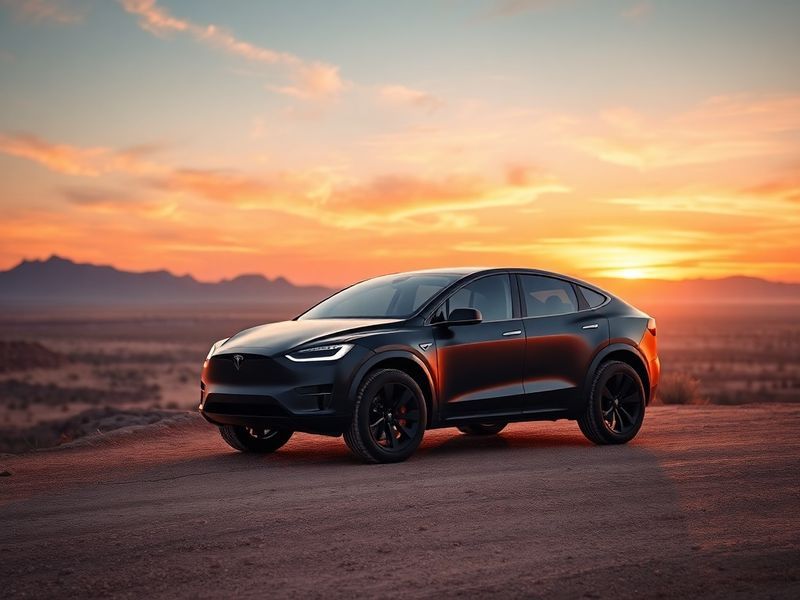
Tesla Cybertruck: The Radical Pickup Redefining Electric Vehicles
“`html
Tesla Cybertruck: The Polarizing Pickup That Redefines Electric Vehicles
The Tesla Cybertruck arrived not just as another electric vehicle, but as a statement—one that challenges conventional automotive design and redefines what a truck can be. Since its controversial debut in 2019, the angular, stainless-steel-clad pickup has become a symbol of both technological ambition and public skepticism. Now, as deliveries begin in earnest, the Cybertruck stands at the center of global discussions about innovation, sustainability, and the future of transportation.
Unlike anything else on the road, the Cybertruck divides opinion instantly. Its sharp, geometric lines and unapologetic industrial aesthetic demand attention. While some see it as a bold leap into the future, others dismiss it as a gimmick. Yet beneath the controversy lies a vehicle that pushes boundaries in range, power, and capability—all while pushing the boundaries of what consumers expect from a pickup truck.
The Design: A Radical Departure from Tradition
When Tesla unveiled the Cybertruck in November 2019, the internet erupted. The vehicle’s angular body, made entirely of ultra-hard 30X cold-rolled stainless steel, and its shatterproof “Tesla Armor Glass” windows became overnight memes. But beyond the jokes, the design was intentional—a rejection of the rounded, aerodynamic shapes that have dominated car design for decades.
This wasn’t just about looking different. Tesla’s design philosophy was rooted in durability and minimalism. The exoskeleton construction eliminates the need for a traditional frame, reducing weight while increasing strength. The truck’s flat panels and sharp creases are not merely stylistic choices; they serve structural purposes, allowing the vehicle to withstand significant impacts without denting.
In a market where trucks are often associated with rugged masculinity and brute force, the Cybertruck’s futuristic, almost sci-fi appearance challenges those norms. It appeals to a younger, tech-savvy demographic that values innovation over tradition. Yet, in rural markets across the United States and parts of Latin America and Asia, where pickup trucks are symbols of work and utility, the Cybertruck’s radical design has sparked debates about form versus function.
Performance and Capability: Power Meets Practicality
The Cybertruck isn’t just about looks. Tesla has engineered it to be one of the most capable electric trucks on the market, with performance figures that rival—and in some cases surpass—those of gasoline-powered competitors. The vehicle is offered in three configurations: Single Motor RWD, Dual Motor AWD, and the top-tier Tri Motor AWD, known as the Cyberbeast.
With a claimed range of up to 340 miles (547 km) and acceleration from 0 to 60 mph in as little as 2.6 seconds, the Cybertruck delivers performance that matches or exceeds many high-end sports cars. Its adaptive air suspension allows for adjustable ride height, enabling owners to clear rough terrain or lower the vehicle for easier entry and exit.
But performance isn’t limited to speed and range. The Cybertruck is built for utility. Its vault-like storage space, with a 17-inch touchscreen in the rear wall, can fit everything from skis to a mountain bike. The truck bed is constructed from the same stainless steel as the body, making it resistant to scratches and dents—a practical touch for contractors and outdoor enthusiasts.
In markets like Norway, where electric vehicles account for over 80% of new car sales, the Cybertruck’s capabilities make it a compelling option for those who need both power and sustainability. Meanwhile, in China, where government incentives for electric trucks are growing, Tesla’s entry into the commercial vehicle segment could reshape urban logistics and delivery services.
Global Reception: From Skepticism to Curiosity
The Cybertruck’s reception varies dramatically around the world. In the United States, where pickup trucks dominate sales, early reservations were strong, with over 250,000 placed within a week of its unveiling. However, delays in production and delivery have tested consumer patience. As of 2024, Tesla is ramping up output, but the wait has given competitors like Rivian and Ford time to refine their own electric trucks.
In Europe, where pickup trucks are less common due to smaller roads and different consumer preferences, the Cybertruck has been met with curiosity. Tesla’s Gigafactory in Berlin, which began producing the vehicle in 2024, positions the Cybertruck as a potential leader in the continent’s transition to electric commercial vehicles. Its presence in Europe also aligns with stricter emissions regulations that favor zero-emission trucks.
In Asia, the reception has been mixed. In India, where the automotive market is heavily influenced by affordability and fuel efficiency, the Cybertruck’s high price tag and unconventional design have limited its appeal. However, in Japan, where electric vehicles are gaining traction, the Cybertruck’s advanced technology and futuristic design have sparked interest among tech enthusiasts and early adopters.
The truck’s global appeal lies in its ability to transcend traditional automotive categories. It’s not just a truck—it’s a statement about the future of mobility. For some, it represents the pinnacle of electric vehicle innovation. For others, it remains an expensive experiment with questionable practicality. Yet, regardless of opinion, the Cybertruck has undeniably shifted the conversation about what a vehicle can—and should—be.
A Cultural Phenomenon, Whether Intended or Not
The Cybertruck has become more than a vehicle; it’s a cultural icon. Its appearance in films, video games, and social media has cemented its place in popular culture. The truck’s design has been referenced in everything from entertainment award shows to tech conferences, often symbolizing ambition and disruption.
Yet, the Cybertruck’s cultural impact extends beyond its media presence. It has become a symbol of generational divides in automotive preferences. Older consumers, accustomed to traditional trucks, often view the Cybertruck with skepticism. Younger generations, raised on technology and sustainability, see it as a natural evolution of the automobile.
This divide is evident in online forums and social media platforms, where debates about the Cybertruck’s design, performance, and value rage on. Some praise its boldness, while others critique its impracticality. Yet, these conversations themselves highlight the Cybertruck’s role in shaping the future of automotive discourse.
Challenges and the Road Ahead
Despite its promise, the Cybertruck faces significant challenges. Production delays, supply chain constraints, and regulatory hurdles have slowed its rollout. The truck’s unconventional design has also raised questions about safety, particularly in collisions with pedestrians and other vehicles. Tesla has addressed some concerns with software updates and structural reinforcements, but skepticism remains.
Another challenge is competition. Rivals like the Ford F-150 Lightning and the Rivian R1T have entered the market with more conventional designs and proven track records. These vehicles cater to consumers who want electric power without sacrificing familiarity. The Cybertruck, by contrast, demands that buyers embrace its radical aesthetic and unproven durability.
Yet, Tesla’s track record of innovation suggests that the Cybertruck may yet overcome these obstacles. The company’s ability to iterate quickly, combined with its global manufacturing footprint, positions it well to refine the Cybertruck over time. As charging infrastructure expands and battery technology improves, the Cybertruck’s range and efficiency will only increase.
Looking ahead, the Cybertruck could play a pivotal role in Tesla’s broader strategy. The vehicle’s design and technology could influence future models, from sedans to SUVs. Its success—or failure—will send ripples through the automotive industry, shaping the next generation of electric vehicles.
Conclusion: A Vehicle That Demands a Response
The Tesla Cybertruck is not a vehicle for everyone. Its design polarizes, its price alienates some, and its unproven durability raises questions. Yet, these very qualities make it one of the most important vehicles of the 21st century. It forces conversations about sustainability, innovation, and the future of transportation. It challenges consumers to think beyond the familiar and embrace the possible.
Whether the Cybertruck ultimately succeeds or fails, its impact is undeniable. It has redefined what a truck can be and pushed the boundaries of automotive design. In a world where electric vehicles are no longer a novelty but a necessity, the Cybertruck stands as a reminder that progress often begins with controversy.
For those willing to embrace it, the Cybertruck offers more than just transportation—it offers a glimpse into the future. And perhaps that’s the most compelling reason to take it seriously.