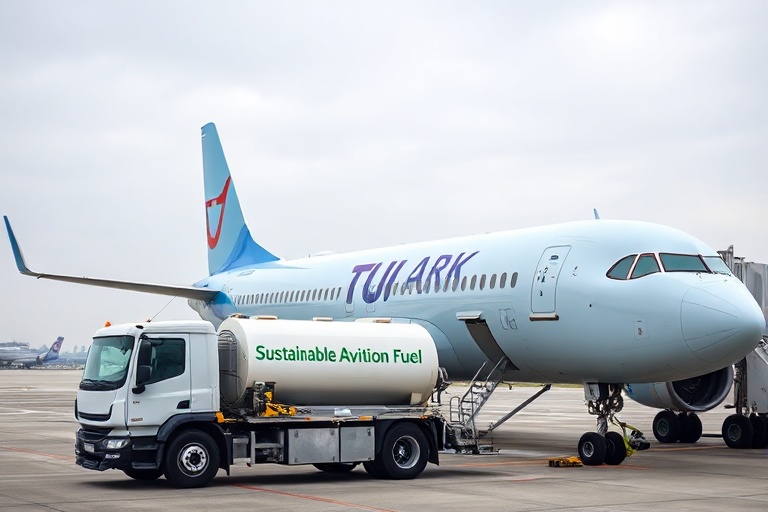
Fuel costs remain one of the most unpredictable expenses in the travel industry, and recent developments in jet fuel pricing are forcing airlines to rethink their strategies. TUI, one of Europe’s largest tour operators, has been navigating these challenges while attempting to keep holiday prices affordable for millions of customers. The latest updates on jet fuel costs could reshape how the company—and the broader travel sector—operates in the coming months.
The Current State of Jet Fuel Prices
Jet fuel prices have experienced significant volatility over the past year, influenced by geopolitical tensions, supply chain disruptions, and fluctuating demand. According to industry reports, crude oil prices have seen a 15% increase since the start of 2024, driven largely by OPEC+ production cuts and rising Middle Eastern tensions. While this has not yet triggered widespread fare hikes, airlines are closely monitoring the situation to prevent sudden cost surges from affecting ticket prices.
TUI, which operates a large fleet of aircraft across Europe, has managed to absorb some of these costs through fuel hedging—a strategy that locks in prices for future purchases. However, analysts warn that if oil prices continue to climb, the company may need to adjust its pricing models or reduce capacity on certain routes to maintain profitability.
How TUI Is Adapting to Fuel Cost Fluctuations
To mitigate the impact of rising fuel expenses, TUI has implemented several measures designed to optimize efficiency without compromising customer experience. One key approach is the gradual retirement of older, less fuel-efficient aircraft in favor of newer models that offer better mileage. The company has also increased its focus on direct bookings through its website and app, reducing reliance on third-party travel agencies that often add additional fees.
Another strategy involves adjusting flight schedules to prioritize routes with higher passenger demand, thereby maximizing fuel efficiency per seat. TUI’s sustainability initiatives, including investments in sustainable aviation fuel (SAF), may also play a role in long-term cost reduction, though widespread adoption remains years away.
Key Adjustments in TUI’s Operations
- Fleet modernization: Replacing older aircraft with newer, more fuel-efficient planes.
- Direct booking incentives: Encouraging customers to book directly through TUI’s platforms to cut intermediary costs.
- Route optimization: Shifting flight schedules to prioritize high-demand destinations and reduce empty seats.
- Sustainable fuel investments: Exploring SAF options to offset long-term fuel expenses.
Broader Implications for the Travel Industry
The ripple effects of rising jet fuel costs extend beyond TUI, affecting airlines, tour operators, and travelers alike. For consumers, the most immediate concern is whether holiday prices will increase. While TUI has not announced widespread fare hikes, other airlines have already implemented surcharges or reduced service frequencies on less profitable routes. This could lead to a domino effect, where higher operating costs force more operators to pass expenses onto customers.
Industry experts also highlight the potential for a shift in traveler behavior. If fuel prices remain elevated, budget-conscious travelers may opt for shorter trips, closer destinations, or alternative modes of transport such as trains. This could reshape the competitive landscape, benefiting companies that can offer more flexible pricing or unique travel experiences.
What Travelers Should Watch For
For those planning trips with TUI or other tour operators, staying informed about fuel-related policy changes is crucial. While TUI has historically absorbed moderate cost increases, sustained high prices could lead to adjustments in holiday packages. Customers should monitor official communications from TUI for updates on pricing, cancellation policies, and potential surcharges.
Additionally, travelers can take steps to minimize the impact of potential price changes. Booking early, choosing destinations with lower demand, and being flexible with travel dates are all strategies that can help secure better deals. Those concerned about fuel-related fare hikes may also explore travel insurance options that cover price fluctuations.
Actionable Advice for Travelers
- Monitor TUI’s official channels for updates on holiday pricing and fuel-related policies.
- Consider traveling during off-peak seasons to avoid potential surcharges on high-demand routes.
- Compare package deals across multiple operators to identify the most cost-effective options.
- Review travel insurance policies to ensure coverage for unforeseen price adjustments.
The jet fuel landscape remains uncertain, but TUI’s proactive measures suggest it is prepared to navigate these challenges. While travelers may face some adjustments in the coming months, the company’s commitment to efficiency and sustainability could help mitigate the impact. By staying informed and planning ahead, holidaymakers can still enjoy their getaways without overspending.