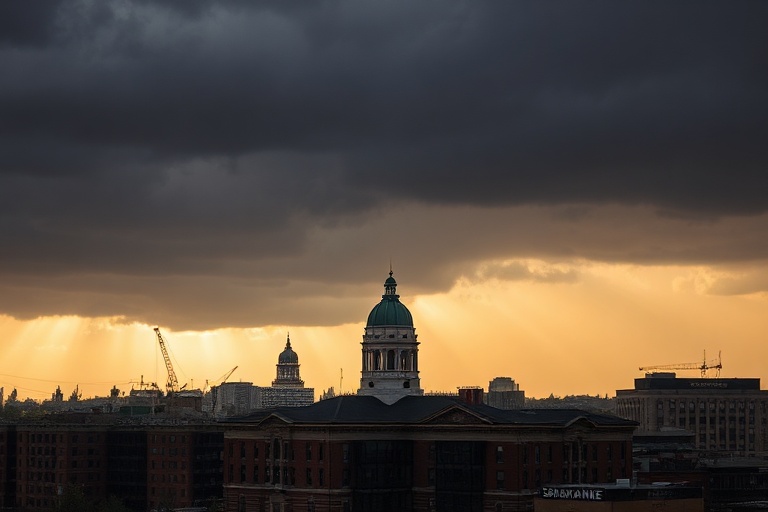
Spokane Weather: What Makes the Inland Northwest Unique
Spokane, Washington, sits in a unique climatic zone where the Pacific Northwest’s maritime influence meets the continental climate of the inland Northwest. This geographic intersection creates weather patterns that are both predictable and unpredictable. Residents and visitors alike learn to expect the unexpected—sunny summer days can give way to sudden thunderstorms, while winter mornings often begin with crisp clarity before yielding to dense afternoon fog.
The city’s elevation—at approximately 1,900 feet above sea level—and its location east of the Cascade Mountains contribute to its distinct seasonal character. Unlike Seattle’s more temperate coastal climate or Missoula’s continental extremes, Spokane experiences a blend of influences that make its weather a frequent topic of conversation. Whether it’s the lingering chill of spring or the rapid transition from snow to sunshine in March, Spokane’s climate keeps everyone on their toes.
The Four Seasons: What to Expect Each Year
Winter in Spokane runs from December through February and is typically the most talked-about season. Snowfall averages around 44 inches annually, but distribution varies widely. Some years bring heavy, wet snow that paralyzes the city, while others see only light dustings that melt within hours. January is usually the coldest month, with average lows dipping to 22°F, though subzero temperatures are not uncommon during cold snaps.
Spring arrives slowly, often lingering in a state of transition for weeks. March can still feel like winter, with frost on the ground and occasional snow flurries, while April brings longer daylight hours and the first hints of green. By May, the city begins to warm, though rain remains a frequent visitor. This season is marked by rapid change—sunshine one day, showers the next—reflecting the unstable atmospheric conditions typical of the Pacific Northwest.
Summer: Warm Days and Sudden Storms
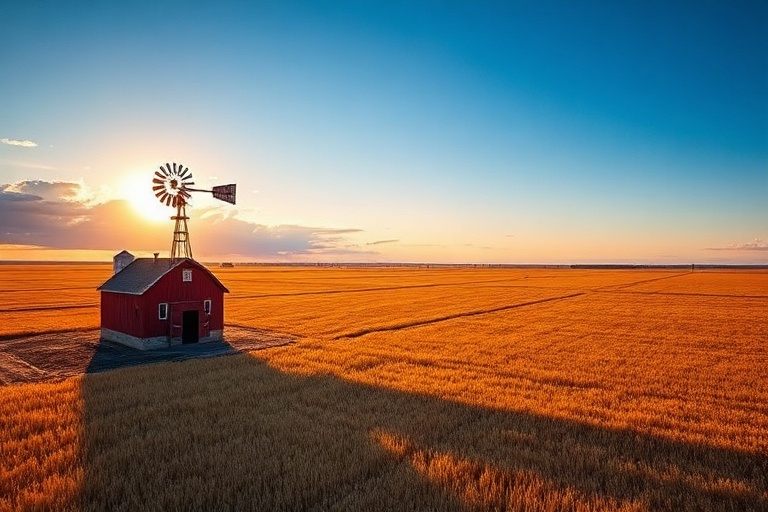
Summer is the most reliably pleasant season, with average highs in July reaching the mid-80s. However, heat waves do occur, occasionally pushing temperatures into the 90s. Nights are cool and comfortable, thanks to the city’s elevation and low humidity. Yet, summer is not without its dramatic moments. Pop-up thunderstorms can develop quickly, bringing brief but intense downpours and even hail. These storms are often localized, drenching one neighborhood while leaving another bone dry.
Wildfire smoke is another summer concern, particularly in years with dry conditions. Wildfires in British Columbia or Eastern Washington can send plumes of smoke into the Spokane Valley, reducing air quality and creating hazy skies. Despite these challenges, summer remains a favorite for outdoor activities, from hiking at local trails to festivals in Riverfront Park.
Fall: A Transition from Warmth to Frost
Autumn in Spokane is short but striking. September often feels like an extension of summer, with warm days and cool nights. The city’s deciduous trees—maples, oaks, and aspens—transform into vibrant hues of orange, yellow, and red, creating a scenic backdrop for outdoor activities. October typically brings the first hard frost, and by November, winter’s grip begins to tighten.
Fall is also a season of contrasts. While early autumn can feel like a continuation of summer, late autumn often arrives with sudden force. Cold fronts move in rapidly, dropping temperatures and sometimes bringing early snow. This unpredictability makes layering a necessity for residents, who must be prepared for anything from sunshine to sleet in a single day.
How Spokane’s Weather Compares to Other Northwest Cities
Spokane’s weather is often overshadowed by its more famous neighbors—Seattle’s drizzle, Portland’s mild winters, or Boise’s arid heat—but it stands apart in several key ways. Unlike Seattle, which is dominated by marine air, Spokane’s inland location means it experiences greater temperature swings. While Seattle’s highs and lows rarely deviate more than 20 degrees in a day, Spokane can swing from freezing mornings to warm afternoons within hours.
Compared to Boise, Spokane receives far more precipitation, particularly in winter. Boise’s high-desert climate results in dry, sunny winters with minimal snow, whereas Spokane’s snowpack is a defining feature of its seasonal rhythm. Yet, unlike Missoula or other Montana cities, Spokane rarely sees the prolonged deep freezes that characterize the northern Rockies. This balance of moisture and moderation gives Spokane its unique identity.
Another distinguishing factor is Spokane’s wind. The city sits in a valley, but strong winds can funnel through gaps in the surrounding terrain, particularly during spring and fall. These winds can gust to 30 mph or more, sometimes knocking down tree branches or stirring up dust in the dry summer months. While not as notorious as the Chinook winds of Alberta, these breezes are a frequent reminder of the region’s dynamic atmospheric conditions.
Weather Preparedness: Tips for Living in Spokane
Living in Spokane requires adaptability. The city’s weather demands a wardrobe that can handle rapid changes, from fleece jackets in the morning to shorts by afternoon. Investing in a good pair of waterproof boots is essential, as rain and snow are both common. Residents also learn to keep an eye on the forecast, especially during transitional seasons when conditions can shift overnight.
For drivers, winter brings unique challenges. Black ice is a persistent hazard, particularly on bridges and stretches of I-90. While the city’s snowplows work diligently to keep major roads clear, residential streets can remain treacherous after a storm. Many locals keep emergency kits in their cars, stocked with blankets, shovels, and snacks, just in case.
Outdoor enthusiasts must also plan carefully. Hiking, biking, and camping are popular year-round, but conditions vary dramatically by season. Summer trails can turn to mud in spring, while winter snowpack creates opportunities for skiing and snowshoeing in nearby areas like Mount Spokane. Understanding these seasonal nuances is key to enjoying the region’s natural beauty safely.
Finally, Spokane’s weather has a psychological impact. The long, dark winters can weigh on mental health, leading to a phenomenon known as Seasonal Affective Disorder (SAD). Many residents combat this with light therapy, vitamin D supplements, or weekend getaways to sunnier climates. Conversely, the city’s brief but brilliant summers foster a sense of community, with festivals, farmers markets, and outdoor concerts drawing people together to celebrate the sun.
A City Shaped by Its Climate
Spokane’s weather is more than just small talk—it shapes the city’s culture, economy, and lifestyle. The agricultural industry thrives on the region’s sunny summers and well-defined seasons, while winter sports contribute millions to the local economy. Even the architecture reflects the climate, with many buildings designed to maximize sunlight during the darker months.
Yet, climate change is beginning to alter these patterns. Warmer winters are reducing snowpack, which could impact water availability in the long term. More frequent heatwaves in summer are becoming the norm, while fall and spring are seeing increased volatility. These shifts pose challenges for both residents and city planners, who must adapt to a changing environment.
Despite these changes, Spokane’s weather remains a source of both frustration and fascination. It fosters resilience among its inhabitants, who learn to embrace the unpredictability. Whether it’s bundling up for a blizzard or basking in a rare 80-degree day in February, Spokane’s climate ensures that life here is never dull.
For those considering a move or planning a visit, understanding Spokane’s weather is the first step to truly appreciating what the city has to offer. It’s a place where the elements are always front and center, shaping every experience from the mundane to the extraordinary.