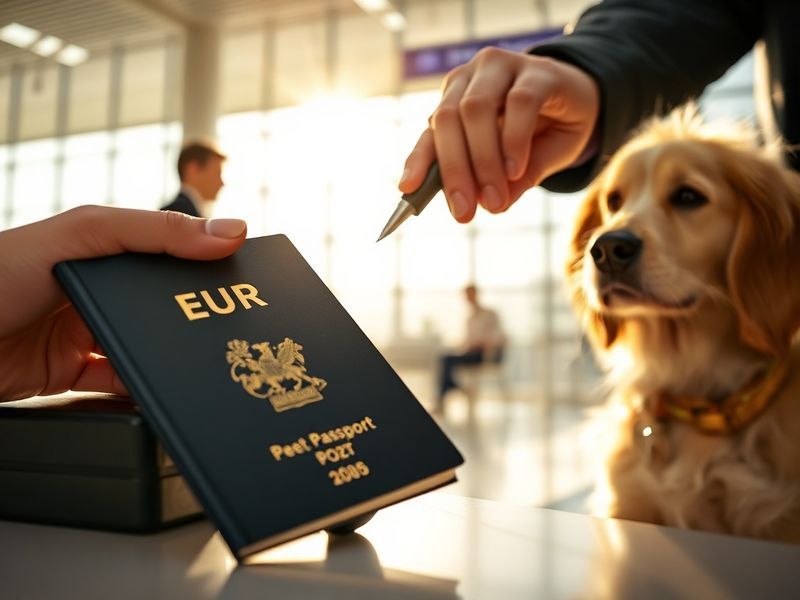
What Are EU Pet Passports and Why Do They Matter?
For travelers who consider pets part of the family, the European Union’s pet travel regulations offer a streamlined way to move across borders with minimal stress. The EU pet passport is a standardized document that verifies a pet’s identity, health status, and vaccination history, ensuring compliance with health and safety standards across member states.
Introduced to harmonize pet travel rules within the EU, these passports simplify what was once a cumbersome process involving multiple health certificates and quarantine requirements. They reflect Europe’s commitment to animal welfare while balancing public health concerns. The system is designed to protect both pets and people by preventing the spread of zoonotic diseases such as rabies.
The Requirements for Obtaining an EU Pet Passport
To qualify for an EU pet passport, several conditions must be met. First, the pet must be microchipped with an ISO-compliant 15-digit chip. This microchip serves as a permanent identifier, ensuring the pet’s records are accurately linked to its passport.
The next critical step is rabies vaccination. Pets must receive an initial rabies vaccination at least 21 days before travel. This waiting period allows the vaccine to become effective. After the first vaccination, boosters must be administered within the manufacturer’s recommended timeframe, typically every 1 to 3 years, depending on the vaccine type.
Once vaccinated, a licensed veterinarian issues the EU pet passport. This document includes the pet’s microchip number, vaccination details, and the owner’s contact information. For dogs, cats, and ferrets, this passport is sufficient for travel within most EU countries. However, additional documentation may be required for non-EU countries or specific regions with heightened disease risks.
- Microchip with ISO-compliant 15-digit chip
- Valid rabies vaccination (21-day waiting period applies after initial shot)
- Issuance by a licensed veterinarian
- Booster shots must remain up-to-date
Travelers should also be aware that some EU countries impose additional rules, especially for pets entering from non-EU nations. For example, the United Kingdom, Ireland, Finland, and Malta have stricter entry requirements, including tapeworm treatment for dogs within 1 to 5 days of arrival.
How EU Pet Passports Facilitate Global Travel
The EU pet passport system extends beyond Europe’s borders, influencing pet travel regulations worldwide. Countries like Norway, Switzerland, and even some non-European destinations such as the UAE and Japan recognize the EU pet passport as valid documentation. This recognition simplifies travel for families relocating or vacationing with pets.
For pet owners based in the UK post-Brexit, the EU pet passport system remains relevant. The UK has its own pet travel scheme, but it mirrors many EU requirements. UK-issued pet passports are still accepted in EU countries, provided they meet EU standards. However, travelers must ensure their pet’s rabies vaccination is current and that any required treatments, such as tapeworm medication, are administered before departure.
The global adoption of standardized pet travel documents highlights a growing trend toward international cooperation in animal health and welfare. Organizations like the World Organisation for Animal Health (WOAH) advocate for harmonized regulations to reduce bureaucratic hurdles and improve animal welfare during travel. This alignment benefits not only pet owners but also veterinarians and border control agencies.
Cultural and Practical Considerations for Pet Owners
While the EU pet passport system is designed to be practical, cultural attitudes toward pets vary significantly across Europe. In countries like Germany and the Netherlands, pet ownership is deeply integrated into daily life, and travelers with pets are common. These nations have well-established infrastructure to accommodate pets, from pet-friendly accommodations to veterinary services.
In contrast, Mediterranean countries such as Italy and Spain have a more relaxed approach to pet regulations, though they still enforce EU requirements. However, pet owners in these regions often face fewer bureaucratic challenges when traveling domestically. This cultural flexibility can make travel with pets more enjoyable, provided the necessary documentation is in order.
For families moving to Europe, the EU pet passport can ease the transition. Pets are often deeply connected to their owners’ sense of home, and the ability to bring them along without lengthy quarantine periods reduces the emotional toll of relocation. Additionally, the passport system encourages responsible pet ownership, as it requires regular veterinary check-ups and vaccinations.
“The EU pet passport system reflects Europe’s broader approach to animal welfare, balancing practicality with compassion. It ensures pets are protected while enabling the freedom to travel.” — European Pet Travel Association
Common Misconceptions and Challenges
Despite its benefits, the EU pet passport system is not without challenges. One common misconception is that the passport is a one-time document. In reality, it requires regular updates to remain valid. Pet owners must stay vigilant about vaccination schedules and ensure their pets receive timely booster shots.
Another challenge is navigating the rules for multiple pets. While the system allows for up to five pets per passport, additional documentation may be required for commercial movement or if the pets are not traveling with their owner. Travelers should consult official EU guidelines or their veterinarian to avoid last-minute surprises.
Language barriers can also pose difficulties. Pet passports are issued in the official language of the issuing country, which may not be familiar to travelers. Some countries provide translations or multilingual versions, but pet owners should verify this in advance to prevent issues at border crossings.
For those traveling with exotic pets, such as reptiles or birds, the EU pet passport system does not apply. These animals are subject to different regulations, often requiring additional permits and health checks. Owners should research the specific requirements for their pet’s species before planning travel.
Preparing for a Smooth Journey with Your Pet
To ensure a hassle-free experience, pet owners should start preparing well in advance of their trip. Begin by scheduling a visit to the veterinarian to check microchip compliance and vaccination status. If the pet’s microchip is not ISO-compliant, a compatible chip can be implanted during the visit.
Next, confirm the destination country’s specific requirements. Some regions may mandate additional treatments or documentation. For example, Finland requires dogs to be treated for tapeworm between 1 and 5 days before arrival. Keeping a checklist can help avoid overlooked details.
During travel, carry the pet passport and any supplementary documents in an easily accessible place. Airlines and border control agencies may request to see these documents multiple times, so having them readily available saves time and reduces stress.
For those unsure about the process, many veterinary clinics offer pre-travel consultations. These sessions provide an opportunity to ask questions, verify documentation, and address any concerns specific to the pet’s health or travel itinerary.
As Europe continues to welcome travelers from all over the world, the EU pet passport system stands as a testament to the region’s commitment to both human and animal welfare. By adhering to these regulations, pet owners can enjoy the freedom to explore new destinations without leaving their beloved companions behind.