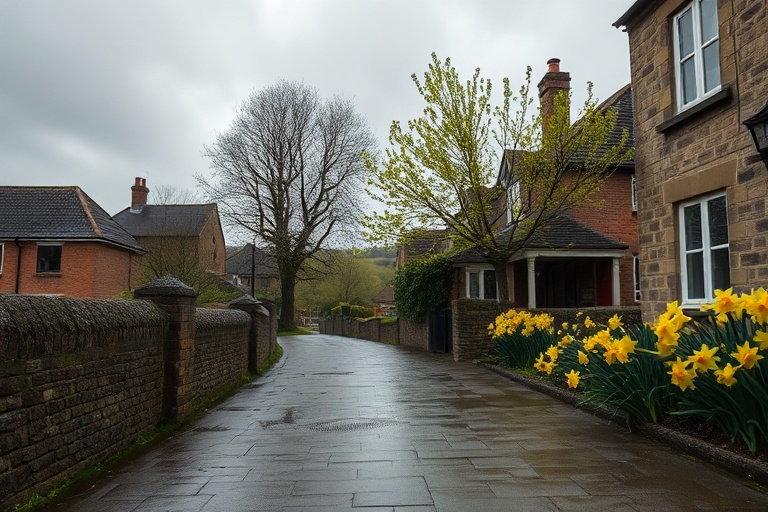
The UK’s spring season is always a time of transition, but 2024 is shaping up to be particularly unpredictable. Meteorologists are forecasting a mix of classic British weather patterns alongside some unusual anomalies. From March’s lingering winter chill to May’s potential heatwaves, Brits should prepare for a rollercoaster of conditions.
The Met Office has released its long-range forecast, highlighting key trends that could define the season. While no two springs are identical, certain patterns are emerging that may influence everything from gardening plans to outdoor events. Understanding these forecasts can help individuals and businesses adjust their expectations accordingly.
March: The Last Hurrah of Winter
March often serves as a meteorological battleground between winter and spring, and 2024 is no exception. The first half of the month is expected to bring colder-than-average temperatures, particularly in northern regions. Scotland and Northern Ireland may experience frost and even occasional snowfall, delaying the onset of spring growth.
Southern England, however, could see a slightly milder start to the month. The Met Office suggests that high-pressure systems may bring dry spells, but these could be punctuated by sharp showers. Wind chill will remain a factor, especially along coastal areas, where brisk easterly winds could make temperatures feel several degrees lower than the actual readings.
For those eager to embrace spring early, the latter half of March offers a glimmer of hope. Temperatures may gradually rise, though nighttime lows could still dip below freezing in rural locations. Gardeners should hold off on planting tender species until late in the month, as the risk of frost persists.
Key Takeaways for March:
- Northern regions face colder temperatures and possible snow.
- Southern areas may see dry spells but remain vulnerable to sharp showers.
- Wind chill will be a persistent issue, especially near coasts.
- Frost risk lingers into late March for inland and rural zones.
The April Surprise: Showers and Sunshine
April traditionally lives up to its reputation as a showery month, and 2024 appears to be no different. The Met Office predicts that rainfall will be above average across much of the UK, with southern and eastern England likely to bear the brunt. This could lead to waterlogged fields and disrupted outdoor activities, particularly during the Easter break.
Despite the rain, there will be plenty of sunshine as well. Longer daylight hours will provide opportunities for brief warm spells, especially in the southeast. Temperatures are expected to hover around the seasonal norm, with daytime highs reaching 12-15°C in most regions. However, nights will remain chilly, with temperatures dipping to 4-7°C in many areas.
For those planning travel or outdoor events, flexibility will be key. Sudden downpours could disrupt plans, so keeping an eye on local forecasts will be essential. The unpredictability of April weather also makes it a challenging month for farmers, who must balance planting schedules with the risk of frost or excessive moisture.
April’s Weather Highlights:
- Above-average rainfall, particularly in the south and east.
- Temperatures close to the seasonal average, with warm days but chilly nights.
- Frequent sunshine between showers, especially in southeastern regions.
- Increased risk of flooding in low-lying areas prone to waterlogging.
May: The Arrival of Spring’s Warmth
As the UK transitions into May, the weather is expected to shift decisively toward spring’s warmer embrace. The Met Office forecasts that temperatures will rise above the seasonal average, with a strong likelihood of highs reaching 18-22°C in many regions. This could herald the arrival of the first sustained warm spell of the year, particularly in the south and Midlands.
However, the warmth may come with a caveat. Meteorologists warn of an increased risk of heatwaves, especially in late May. These could bring temperatures into the mid-20s, creating ideal conditions for outdoor gatherings, barbecues, and sporting events. The south coast, in particular, may experience some of the warmest weather, thanks to the moderating influence of the English Channel.
Rainfall in May is projected to be closer to average, though localized thunderstorms could bring sudden downpours. These are more likely in northern and western regions, where the remnants of Atlantic weather systems may still linger. For gardeners, May is an excellent month to plant summer-flowering species, provided they are prepared for the occasional storm.
Outdoor enthusiasts will find May one of the best months for activities like hiking, cycling, and picnicking. The combination of warmth and relatively stable conditions makes it ideal for exploring the countryside. However, early risers should be mindful of morning mist in rural areas, which could linger until mid-morning.
Regional Variations: What to Expect Where You Live
The UK’s diverse geography means that spring weather can vary dramatically from one area to another. Northern Scotland, for example, may experience a slower transition to spring, with temperatures struggling to climb out of single digits well into April. In contrast, the southwest of England could see temperatures rise earlier, though coastal areas will remain cooler due to sea breezes.
Urban areas, particularly London and other major cities, may experience slightly warmer conditions due to the urban heat island effect. This phenomenon can cause temperatures to be 2-3°C higher than in surrounding rural areas, especially during calm, clear nights. However, cities are also more prone to pollution buildup during temperature inversions, which can affect air quality in early spring.
The Midlands and East Anglia are expected to see a balanced mix of conditions, with neither extreme rainfall nor prolonged dry spells dominating the season. This could make these regions particularly pleasant for springtime activities, provided the weather holds. Meanwhile, Wales and Northern Ireland may face more volatile conditions, with frequent changes between sunshine and showers.
Regional Spring Weather Snapshot:
- Northern Scotland: Slow spring onset, lingering frost, and frequent showers.
- Southwest England: Earlier warmth but cooler coastal breezes; ideal for early planting.
- London and major cities: Urban heat island effect creates slightly warmer conditions but potential air quality issues.
- Midlands and East Anglia: Balanced conditions, neither too wet nor too dry.
- Wales and Northern Ireland: Highly variable weather with rapid shifts between sun and rain.
Preparing for Spring’s Unpredictability
Given the mixed signals in the 2024 spring forecast, preparation will be key for both individuals and businesses. Gardeners should delay planting frost-sensitive species until late April or early May, especially in northern and inland areas. Investing in fleece covers or cloches can provide an extra layer of protection against late frosts.
For outdoor event organizers, flexibility is crucial. Having backup plans for rain or sudden temperature drops can save time and money. The unpredictability of April, in particular, makes it essential to monitor forecasts closely in the days leading up to any planned activity. Portable shelters or marquees can be invaluable in these situations.
Motorists should also prepare for challenging driving conditions, especially in rural areas where wet roads and sudden downpours can create hazardous conditions. Checking tire tread depth and ensuring windscreen wipers are in good condition can help mitigate risks. Meanwhile, cyclists and pedestrians should invest in waterproof gear to stay comfortable during April’s frequent showers.
As the UK transitions into spring, embracing the unpredictability of the season can make it more enjoyable. Whether it’s a sudden snowfall in March or a balmy May weekend, each day offers a chance to experience the unique character of British weather. By staying informed and adaptable, individuals can make the most of whatever spring throws their way.
For more insights into seasonal weather patterns and their impacts, explore our analysis section. Understanding these trends can help you plan ahead for whatever the UK’s ever-changing skies have in store.
Final Thoughts:
The 2024 UK spring forecast presents a season of contrasts, blending traditional British unpredictability with some unexpected twists. From March’s lingering winter chill to May’s potential heatwaves, each month offers its own challenges and opportunities. By staying informed and adaptable, Brits can navigate the season with confidence, whatever the weather brings.