NASA’s Artemis 2 Toilet: The Surprisingly Complex Space Bathroom
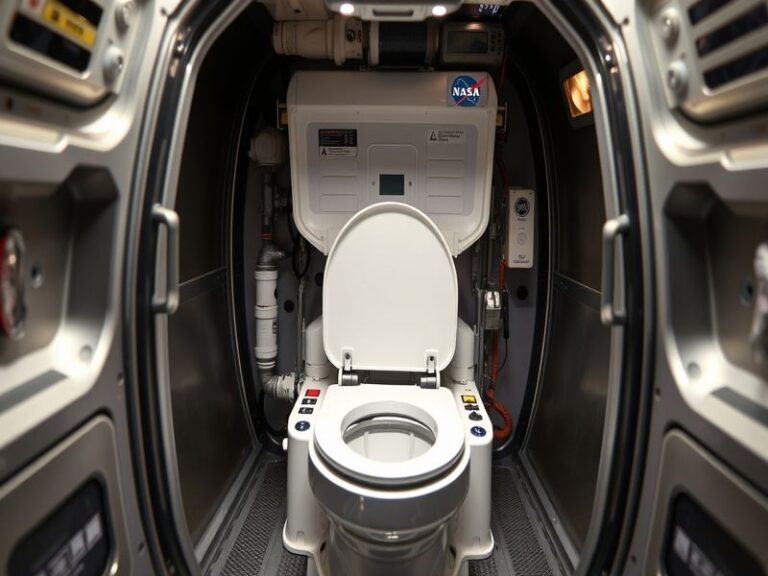
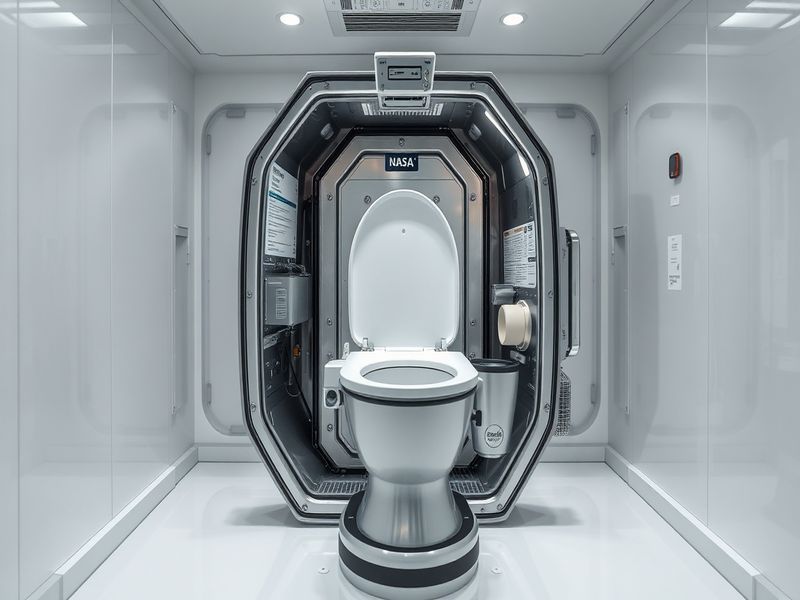
NASA’s Artemis program represents humanity’s next giant leap in space exploration, with the Artemis 2 mission marking the first crewed lunar flyby since 1972. While much attention focuses on the Orion spacecraft’s advanced systems and the historic crew of astronauts, one critical component often overlooked is the spacecraft’s waste management system. The Artemis 2 toilet, officially known as the Universal Waste Management System (UWMS), represents years of engineering innovation designed to handle human waste in microgravity.
The Technology Behind the Artemis 2 Toilet System
The UWMS developed for Artemis 2 builds upon technology first tested on the International Space Station (ISS). This compact system weighs approximately 45 pounds and occupies about the same space as a standard Earth-based bathroom. The system uses airflow to pull waste away from the body, with a specialized design that separates urine and feces into different containers.
Key components include:
- Vacuum suction system: Creates airflow to prevent waste from floating away
- Separation funnel: Directs urine to a holding tank while processing solid waste
- Odor control: Activated charcoal filters and antimicrobial coatings
- Comfort features: Adjustable seat for both male and female anatomy
The system’s design incorporates feedback from astronauts who used earlier versions on the ISS. Engineers focused on improving comfort and reducing maintenance time while maintaining reliability during the mission’s eight-day duration.
Why Waste Management Matters in Space
Efficient waste management is crucial for long-duration space missions. The Artemis 2 toilet system addresses several unique challenges of operating in microgravity. Without proper containment, waste could contaminate the spacecraft’s air supply, equipment, or even the astronauts themselves.
Historically, space toilets have presented significant challenges. The Apollo missions used plastic bags attached to the buttocks, while the Space Shuttle featured a more sophisticated but still challenging system. The UWMS represents a major improvement, particularly for female astronauts who previously had to use different procedures than their male counterparts.
NASA’s Johnson Space Center conducted extensive testing of the UWMS system, including parabolic flights to simulate microgravity conditions. These tests helped identify and resolve issues before the system’s installation in the Orion spacecraft for Artemis 2.
Challenges and Solutions in Space Toilet Design
Designing a functional toilet for microgravity presents unique engineering challenges. The lack of gravity means that waste doesn’t simply fall away—it must be actively directed and contained. The Artemis 2 system addresses this through precise airflow control and waste separation technology.
One significant challenge was accommodating both male and female anatomy in a single system. The UWMS solution uses a flexible funnel system that can be adjusted for different body types and positions. The system also incorporates a seat that can be used for both urine and fecal collection, with a cover that seals during use.
Another critical consideration is maintenance. Previous space toilets required significant crew time for cleaning and repairs. The UWMS system reduces this burden through self-cleaning surfaces and modular components that can be easily replaced if necessary.
What Happens to Waste After It’s Collected?
Once waste is collected by the Artemis 2 toilet system, it’s stored in sealed containers that are designed to contain both liquids and solids. These containers are then transferred to specialized waste management systems where they’re processed for potential recycling or disposal.
For urine, NASA has developed systems to extract water for reuse through a process called urine distillation. This technology, tested extensively on the ISS, can recover up to 90% of water from urine. The remaining brine is stored separately from the recovered water.
Solid waste is stored in leak-proof containers that prevent contamination of the spacecraft environment. While current missions don’t include waste processing beyond containment, future systems may incorporate technologies to convert waste into useful resources like fertilizer or even radiation shielding materials.
During the Artemis 2 mission, waste containers will remain sealed throughout the journey. The Orion spacecraft carries sufficient storage capacity for the mission duration, with contingency plans for additional waste containment if needed.
The Future of Space Waste Management
The Artemis 2 toilet system represents an important step forward in space waste management technology. As NASA plans for longer-duration missions to the Moon and eventually Mars, these systems will need to become even more sophisticated. Future iterations may incorporate advanced recycling capabilities that can convert waste into water, oxygen, or even food.
NASA’s collaboration with commercial partners like Collins Aerospace, which developed the UWMS, demonstrates how government and industry can work together to solve complex engineering challenges. The technology developed for Artemis 2 may eventually find applications beyond space exploration, potentially benefiting remote locations on Earth where waste management infrastructure is limited.
For those interested in the broader context of space exploration technology, Dave’s Locker Technology section offers additional insights into the innovations driving modern space missions. Similarly, the Science category provides deeper analysis of the scientific principles behind these technological advancements.
The Artemis 2 mission’s waste management system may seem like a small component compared to the spacecraft’s propulsion or life support systems. However, reliable waste containment is essential for maintaining crew health, spacecraft cleanliness, and mission success. As humanity ventures further into space, these seemingly mundane systems will play an increasingly critical role in our ability to explore the cosmos.
As the Artemis program progresses toward landing the first woman and person of color on the Moon, innovations like the UWMS toilet system demonstrate how even the most basic human needs can drive technological breakthroughs. These advancements not only enable deeper space exploration but also push the boundaries of what’s possible in engineering and human spaceflight.