Piast Gliwice vs GKS Katowice: The Silesian Derby Explained
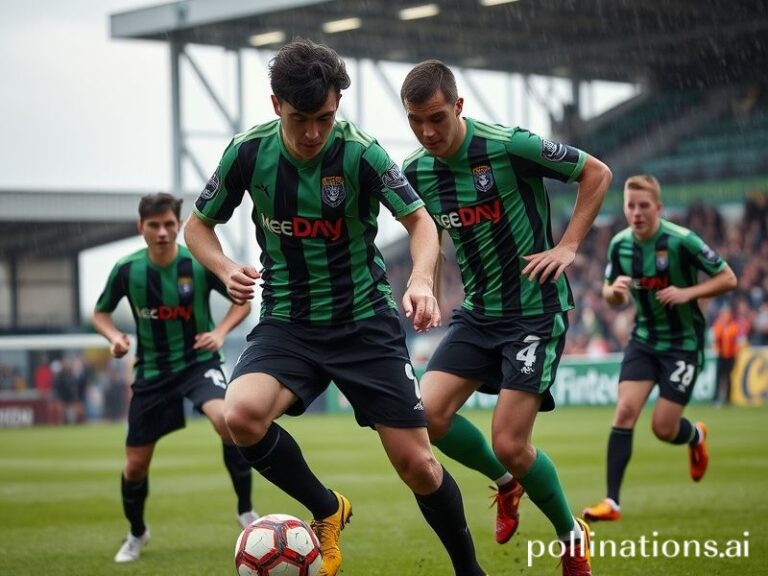
The clash between Piast Gliwice and GKS Katowice isn’t just another fixture in the Polish Ekstraklasa. It’s a fixture steeped in history, geography, and the unshakable pride of Silesia. These two clubs represent more than just football—they embody the cultural and social identity of their respective cities. When they meet on the pitch, the stakes go beyond three points; they’re fighting for bragging rights in a region where football is religion.
The rivalry between Piast Gliwice and GKS Katowice has evolved over decades. What began as local derbies in the lower leagues has grown into a fixture that now draws national attention. For fans, the matches are a chance to showcase their city’s resilience, their club’s legacy, and their unwavering support. For the players, it’s an opportunity to etch their names into the history of Silesian football.
The Historical Context: How It All Began
Piast Gliwice was founded in 1945, shortly after World War II, and quickly became a symbol of post-war recovery in the industrial heartland of Silesia. The club’s name pays homage to the Piast dynasty, the first historical rulers of Poland, tying its identity to the nation’s earliest chapters. Over the years, Piast has oscillated between the lower divisions and the Ekstraklasa, but its most significant rise came in the 21st century. In 2019, Piast Gliwice made history by winning its first-ever Ekstraklasa title, a feat that cemented its place among Poland’s footballing elite.
GKS Katowice, on the other hand, has a slightly older pedigree, founded in 1964 through the merger of several local clubs. While Piast’s rise was meteoric, GKS Katowice has long been a pillar of stability in Polish football. The club has won multiple Polish Cups and has been a consistent presence in the Ekstraklasa, even challenging for titles in the 1990s. Despite financial struggles in recent years, GKS Katowice remains a proud institution, deeply embedded in the fabric of Katowice’s sporting culture.
The rivalry between the two clubs intensified in the 2010s as Piast climbed the league ladder while GKS battled to maintain its top-flight status. Their first Ekstraklasa meeting in 2016 was a turning point, sparking a new chapter in one of Poland’s most underrated derbies. Since then, the matches have been fiercely contested, with neither side willing to concede bragging rights in Silesia.
Key Moments in the Piast Gliwice vs GKS Katowice Rivalry
The history between Piast Gliwice and GKS Katowice is filled with dramatic moments, controversial decisions, and unforgettable performances. Below are some of the most defining encounters that have shaped this rivalry:
- 2016 Ekstraklasa, Matchday 2: The first-ever Ekstraklasa meeting between the two sides ended in a 1-1 draw, but it set the tone for future battles. GKS Katowice took the lead early, only for Piast to claw back with a late equalizer.
- 2019 Ekstraklasa, Matchday 18: Piast Gliwice secured a crucial 2-1 victory in a match that felt like a statement. The win came at a time when Piast was pushing for the title, while GKS was fighting relegation. The atmosphere at Stadion Piast was electric.
- 2021 Polish Cup Quarterfinal: In a rare cup meeting, GKS Katowice stunned Piast with a 3-1 victory, eliminating the league leaders from the competition. The result was a wake-up call for Piast, which had been on a high after its title win.
- 2023 Ekstraklasa, Matchday 12: Piast dominated this encounter, winning 3-0 in a performance that showcased its attacking prowess. The match was played behind closed doors due to COVID-19 restrictions, but the intensity on the pitch was undiminished.
These matches are more than just results; they’re narratives of ambition, resilience, and the occasional underdog story. For Piast, victories over GKS Katowice have been a way to assert its dominance in Silesia. For GKS, beating Piast has often been a matter of pride, a chance to prove that tradition and fighting spirit can overcome modern football’s financial disparities.
Broader Implications: More Than Just a Derby
The Piast Gliwice vs GKS Katowice rivalry transcends the pitch. It reflects the broader socio-economic dynamics of Silesia, a region that has undergone significant transformation over the past century. Gliwice and Katowice, once twin hubs of Poland’s industrial revolution, have evolved in different directions. Gliwice, with its modern infrastructure and growing economy, has become a symbol of Silesia’s renewal. Piast Gliwice’s success in recent years mirrors this transformation, embodying the city’s forward-looking ambitions.
Katowice, meanwhile, has faced economic decline and urban decay, though recent revitalization efforts have begun to restore its former glory. GKS Katowice, despite its financial struggles, remains a beacon of tradition in a city that is slowly reinventing itself. The club’s battles with Piast are, in many ways, a microcosm of the broader tensions between progress and heritage in Silesia.
For fans, the rivalry is a source of identity. The ultras of Piast Gliwice and GKS Katowice are known for their passionate support, with chants, banners, and tifos that celebrate their clubs’ histories. The matches often feature intense displays of fan culture, from pyrotechnics to choreographed displays, making these derbies some of the most visually striking in Polish football.
From a tactical perspective, the clashes between Piast and GKS Katowice offer a fascinating contrast. Piast’s style under former manager Waldemar Fornalik was built on defensive solidity and quick counterattacks, a reflection of the club’s underdog mentality. GKS Katowice, meanwhile, has often favored a more possession-based approach, relying on technical players to break down opponents. These tactical differences add another layer of intrigue to the fixture.
What’s Next for This Rivalry?
The future of the Piast Gliwice vs GKS Katowice rivalry is as uncertain as it is exciting. Piast Gliwice has established itself as a consistent Ekstraklasa side, capable of challenging for titles, while GKS Katowice continues to fight for survival at the top level. The financial disparities between the two clubs mean that their meetings may not always be evenly matched, but that hasn’t diminished the passion surrounding the fixture.
For Piast, the challenge will be to maintain its competitive edge while navigating the financial pressures of modern football. The club’s recent forays into European competitions have raised its profile, but European nights also bring increased scrutiny and higher expectations. Piast’s ability to balance domestic ambitions with continental aspirations will be key to its long-term success.
GKS Katowice, meanwhile, faces a different set of challenges. Relegation to the I liga would be a significant blow, but it could also reignite the club’s identity as a fighting, underdog side. The fans’ loyalty remains undiminished, and a return to the Ekstraklasa would only add to the intensity of future derbies.
Regardless of where the clubs stand in the league table, one thing is certain: when Piast Gliwice and GKS Katowice meet, the football will be intense, the atmosphere electric, and the stakes higher than just three points. This is a rivalry that speaks to the soul of Silesia, where football is more than a game—it’s a tradition, a passion, and a way of life.
For fans old and new, the next chapter in this rivalry promises to be as compelling as those that came before. Whether it’s a league match, a cup tie, or a European encounter, the clash between Piast Gliwice and GKS Katowice will always be a fixture to savor.
To stay updated on the latest developments in Polish football, including the evolving dynamics of the Piast Gliwice vs GKS Katowice rivalry, follow Dave’s Locker Sports and Dave’s Locker News for comprehensive coverage.