punisher one last kill
The arrival of Punisher: One Last Kill marks more than just another chapter in Frank Castle’s violent saga. It arrives at a moment when audiences crave endings that feel definitive, stories that don’t just fade into sequels or spin-offs. This isn’t just another Punisher story—it’s a meditation on vengeance, legacy, and what happens when a man who has spent decades waging war against crime finally confronts the futility of his mission.
The narrative pushes Frank Castle to the edge of his own mythos. After countless cycles of death and retribution, the story asks a brutal question: What remains when the last enemy falls? The title itself—One Last Kill—isn’t just a tagline. It signals a reckoning, a threshold Frank may not cross back over.
The Evolution of Frank Castle: From Grief to Obsession
Frank Castle wasn’t born a monster. He was a Marine, a family man, someone who believed in justice until the day his wife and children were murdered in a botched gang hit. That loss didn’t just wound him—it rewired his mind. The Punisher emerged from that trauma, a vigilante clad in skull insignia, dispensing street justice with military precision.
Over decades, Frank’s war evolved from personal vengeance to a crusade against organized crime, terrorism, and systemic corruption. But in One Last Kill, the scope narrows. This isn’t a global manhunt. It’s intimate. It’s personal. It’s about the cost of obsession—how a man who once stood for order becomes the very chaos he sought to erase.
This iteration of Frank is older, slower, and more introspective. The body bears the scars. The mind replays every kill in dreams. Yet, he still answers the call when a new threat emerges—one tied to his past. That connection forces him to confront whether he’s ever truly been in control, or if he’s been a passenger in his own war.
Why This Story Resonates Now: The End of an Era
We live in a time when antiheroes dominate pop culture. Batman, Deadpool, and even Tony Soprano have shown us that audiences are drawn to morally complex figures who operate outside the law. But Frank Castle stands apart. He doesn’t wear a mask for theatrics. He wears it because he’s not a hero—he’s a force of retribution.
One Last Kill arrives as superhero fatigue sets in. After years of cinematic universes and endless franchises, audiences are craving closure. Stories with definitive endings. Characters who face consequences. Frank Castle, in his relentless pursuit of death, is the perfect embodiment of that demand. His story doesn’t promise resolution through redemption. It promises an end.
This moment also reflects broader cultural anxieties. In an age of political division, mass shootings, and institutional distrust, Frank Castle’s world feels uncomfortably close to reality. He’s not a fantasy. He’s a man pushed to extremes by a system that failed him. That relatability makes his final descent into violence all the more unsettling.
Key Themes in Punisher: One Last Kill
- Legacy and Failure: Frank has spent decades building a legacy of death. But what does he leave behind? A safer world? Or just more bodies?
- The Cost of Vengeance: Every kill chips away at Frank’s humanity. By the end, he may not recognize himself.
- Isolation as Identity: Frank doesn’t just fight criminals—he fights loneliness. His war has cost him every relationship.
- The Illusion of Control: Frank believes he’s in charge of his mission. But his enemies keep rising. Is he truly in control, or is he trapped in a cycle?
Broader Implications: What Frank Castle’s End Means for the Genre
The Punisher has always been an outlier in the Marvel Universe. While Spider-Man and Iron Man inspire hope, Frank inspires dread. He operates in the shadows, where the law can’t—or won’t—go. His existence forces uncomfortable questions: Is vigilantism ever justified? Can violence truly solve violence?
One Last Kill doesn’t offer easy answers. Instead, it leans into the ambiguity. Frank’s final act may not be heroic. It may not even be sane. But it will be human. Messy. Painful. Real.
This story also signals a potential turning point for the character’s future. If Frank truly dies in this arc, what remains? Will his war continue through successors? Or will his death finally put an end to the cycle? The latter would be a bold statement in a genre where characters rarely stay dead.
Moreover, One Last Kill arrives as audiences rethink their relationship with violence in media. After decades of glorified shootouts and body counts, there’s a growing demand for stories that acknowledge the cost of such actions. Frank Castle, in all his brutality, has always been a mirror. This story may force us to look into that mirror one last time.
A Look at the Creative Vision Behind the Story
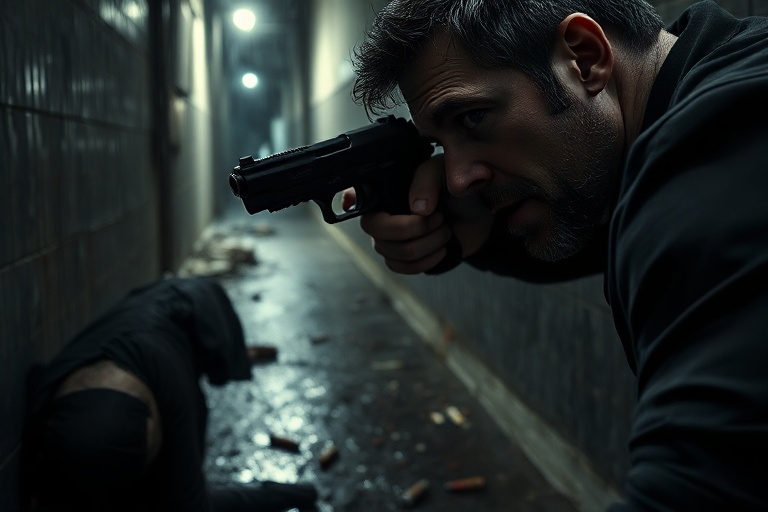
The team behind Punisher: One Last Kill understands the weight of the character. The writing balances Frank’s internal monologue with relentless action, ensuring that every punch, every gunshot, feels earned. The art is gritty, the colors muted—this isn’t a world of bright spandex and skyscraper battles. It’s rain-soaked streets, neon signs flickering in the dark, and blood that doesn’t wash out of clothes.
The story also benefits from a tighter narrative than previous Punisher arcs. There’s no sprawling conspiracy, no global threat. Just Frank, a new enemy tied to his past, and the weight of every life he’s taken. That focus makes the emotional beats hit harder. The audience isn’t distracted by spectacle. They’re forced to sit with Frank in his pain.
Fans of the character will appreciate the callbacks to Frank’s early days—references to his military past, nods to key villains, and moments that harken back to the original comics. But this isn’t a nostalgia exercise. It’s a culmination. The story respects the mythos while pushing it forward into uncharted territory.
Conclusion: A Story That Demands to Be Remembered
Punisher: One Last Kill isn’t just another violent comic or another grim antihero tale. It’s a story about the cost of obsession, the illusion of control, and the moment when a man realizes he’s become the very thing he swore to destroy. Frank Castle’s journey has always been a dark reflection of justice unchecked. This final chapter ensures that reflection is unforgettable.
Whether you see Frank as a tragic figure, a monster, or something in between, One Last Kill forces you to confront the man behind the skull. And that’s what makes it essential reading—not just for Punisher fans, but for anyone who’s ever wondered where the line between justice and vengeance truly lies.
As the story closes, one question lingers: What comes after the last kill? For Frank Castle, the answer may be silence. For the rest of us, it’s a challenge to examine the cycles of violence we perpetuate—and when, if ever, we decide to break them.
For more on the Punisher’s legacy and other dark heroes in pop culture, explore our Trending and Entertainment sections.