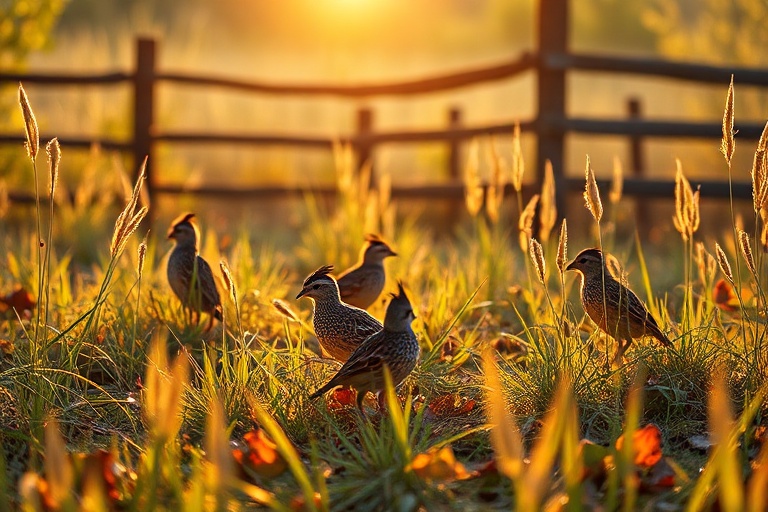
Quail Hollow: A Hidden Gem Across Continents
Quail Hollow may sound like a phrase plucked from a pastoral poem, but it is a place that exists in various forms across the globe. Some know it as a quiet neighborhood, others as a championship golf course, and in some cultures, it carries symbolic weight. This diversity of meaning reflects how a simple name can evolve into something far more nuanced. From suburban America to rural Europe and beyond, Quail Hollow takes on different identities, each with its own story.
The most famous iteration is likely Quail Hollow Club in Charlotte, North Carolina—a golf course synonymous with the PGA Tour’s Wells Fargo Championship. Opened in 1961, this 7,325-yard championship layout has hosted legends like Tiger Woods, Phil Mickelson, and Rory McIlroy. Its rolling fairways, tricky greens, and challenging rough make it a favorite among professionals and amateurs alike. Yet beyond its sporting legacy, Quail Hollow embodies the ideals of exclusivity and tradition in American golf culture.
The Golf Course Phenomenon: Tradition and Exclusivity
Golf courses named Quail Hollow often share a common theme: they are designed to evoke the tranquility of rural life while catering to elite players. The Charlotte location, for instance, was built on a former quail hunting preserve, preserving the land’s natural beauty. This blend of sport and nature is intentional. Golf clubs like Quail Hollow are not just sporting venues; they are social institutions where business deals are made, friendships are forged, and status is quietly affirmed.
Internationally, similar clubs exist under different names but with comparable philosophies. In the United Kingdom, courses like Woburn Golf Club or St. Andrews blend history with exclusivity, though few carry the same quail-inspired branding. In Japan, private golf clubs like Tokyo’s Kasumigaseki Country Club have long operated as members-only spaces, reflecting a cultural emphasis on privacy and discretion. The global appeal of such clubs lies in their ability to offer an escape from urban life while reinforcing social hierarchies.
For those interested in the intersection of sport and society, the Sports section on Dave’s Locker offers deeper insights into how golf has shaped—and been shaped by—cultural trends.
Quail Hollow in Suburban America: A Neighborhood Identity
Beyond the fairways, Quail Hollow appears as a residential label in multiple U.S. states. From Ohio to Texas, neighborhoods bearing this name often evoke images of tree-lined streets, family homes, and community events. These places are typically middle-class suburbs, designed for comfort and convenience rather than exclusivity. The name itself serves as a marketing tool, promising a peaceful, nature-infused lifestyle.
In some cases, these neighborhoods have deeper historical roots. For example, Quail Hollow in Shaker Heights, Ohio, dates back to the early 20th century. Its development coincided with the rise of the American suburb, a time when families sought refuge from industrial cities. Today, such neighborhoods reflect broader trends in urban planning, where green spaces and community design are prioritized. They represent a quieter, more grounded version of the American Dream—one where neighbors know each other and children play safely outdoors.
Cultural Symbolism: Quail and the Natural World
To understand why “quail” appears in so many place names, we must look at the bird’s symbolic role across cultures. In many Native American traditions, the quail represents resourcefulness, adaptability, and community. Tribes such as the Hopi and Zuni incorporate quail imagery into their art and storytelling, viewing the bird as a guardian of the land. Similarly, in Chinese culture, the quail symbolizes courage and perseverance, often featured in poetry and folklore.
This cultural resonance explains why “Quail Hollow” is a name that feels familiar, even when geographically distant. It evokes a connection to nature, resilience, and tradition. In rural Europe, where hunting preserves were once common, the name might recall aristocratic pastimes. In modern suburban America, it may simply suggest a quiet street where wild quail occasionally wander. The name bridges time and geography, carrying layers of meaning that resonate differently depending on context.
A Global Perspective: Quail Hollow Beyond the U.S.
While Quail Hollow is most commonly associated with American golf and suburbs, its influence extends to other continents. In Australia, for instance, rural properties and wineries sometimes adopt quail-related names to emphasize their connection to the land. Similarly, in South Africa, game reserves and lodges use avian-themed names to attract eco-tourists seeking authentic wildlife experiences.
Even in unexpected places like Japan, where quail are raised for food and song, the name can carry poetic weight. Quail farming, or uzura, has a long history in Japanese agriculture, with birds prized for their eggs and meat. A “Quail Hollow” in such a context might evoke a small, self-sustaining community rather than a golf course or suburb. This demonstrates how a single name can adapt to vastly different cultural landscapes.
The adaptability of “Quail Hollow” highlights a broader pattern in naming conventions. Simple, evocative terms often travel well across cultures, taking on new meanings while retaining a core essence. Whether through sport, nature, or community, the name endures because it speaks to universal desires: belonging, tranquility, and connection to the land.
Why Quail Hollow Matters in Modern Contexts
In an era of rapid urbanization and digital distraction, names like Quail Hollow offer a counterpoint—a reminder of simpler times. They evoke a slower pace of life, where nature and community take precedence over speed and efficiency. For golfers, the name represents prestige and challenge. For suburban families, it suggests safety and tradition. For cultural observers, it reflects how humanity interacts with its environment.
Quail Hollow, in all its forms, is more than a label. It is a cultural artifact, a sporting landmark, and a geographical marker. Its persistence across continents and centuries proves that some names transcend their origins to become part of the global lexicon. Whether you encounter it on a scorecard, a street sign, or a rural preserve, Quail Hollow invites reflection on how we shape—and are shaped by—our surroundings.
For further exploration of how names and places influence culture, visit Dave’s Locker’s Culture section, where deeper analyses of societal trends await.
Quail Hollow reminds us that even the most unassuming names can carry rich histories. They connect us to the past, ground us in the present, and perhaps even guide us toward the future—one fairway, one neighborhood, or one cultural tradition at a time.