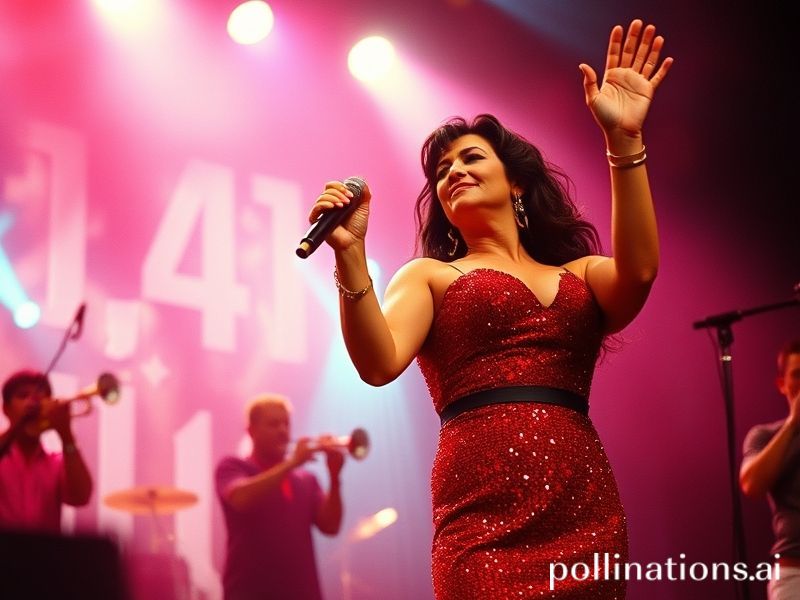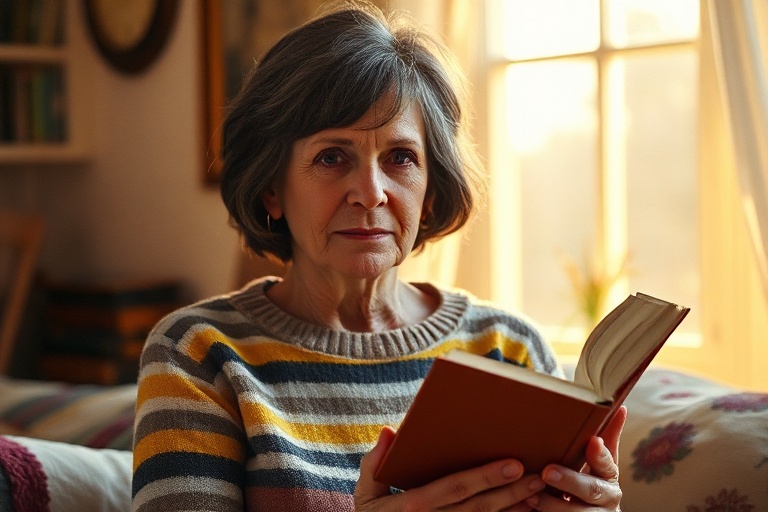
Sally Field’s career spans more than six decades, during which she has evolved from a television icon to one of Hollywood’s most respected actresses. Known for her versatility, she has left an indelible mark on film, television, and even directing. Field’s ability to portray complex, emotionally layered characters has earned her critical acclaim, including two Academy Awards. Her journey reflects broader cultural shifts in entertainment, particularly in how women’s stories were told on screen during the late 20th century.
The Early Years: From Soap Operas to Breakthrough Roles
Born in 1946 in Pasadena, California, Sally Field began her career in the 1960s as a television actress. She first gained recognition in the soap opera Gidget (1965–1966), a role that positioned her as a wholesome, youthful presence. However, it was her transition to more mature roles in the 1970s that showcased her dramatic range. The sitcom The Flying Nun (1967–1970) cemented her as a household name, though she later sought to distance herself from the lighthearted image it created.
By the late 1970s, Field was determined to shed the “girl-next-door” persona. Her collaboration with director Martin Ritt on Norma Rae (1979) marked a turning point. The film, which earned her first Oscar, depicted a working-class Southern woman fighting for labor rights. This role demonstrated Field’s commitment to roles that challenged societal norms, a theme that would recur throughout her career.
Critical Acclaim and Industry Recognition
Field’s success in the 1980s solidified her status as a leading actress. She won her second Academy Award for Places in the Heart (1984), a film that explored post-Civil War America through the eyes of a resilient widow. The moment she accepted her Oscar—famously declaring, “You like me! Right now, you like me!”—became one of the most iconic in Oscar history. The line captured the underdog spirit that defined much of her career.
Her work extended beyond drama. In Steel Magnolias (1989), she played a supporting role alongside an ensemble cast, including Julia Roberts and Shirley MacLaine. The film’s exploration of friendship and loss resonated globally, reinforcing Field’s ability to elevate ensemble pieces with her presence.
Directing and Behind-the-Scenes Influence
In the 1990s and 2000s, Field expanded her creative influence by stepping into directing. Her directorial debut, The Baby Dance (1991), a made-for-TV movie, tackled themes of adoption and family dynamics. Though less widely seen than her acting work, it reflected her growing interest in storytelling that prioritized emotional authenticity over commercial appeal.
Field’s directorial ventures also included episodes of television series such as The West Wing and ER, where she demonstrated a keen understanding of pacing and character development. Her behind-the-scenes contributions highlighted a quieter but equally impactful side of her artistry.
Cultural Impact and Legacy
Field’s influence extends beyond her filmography. She has been a vocal advocate for women’s rights, using her platform to address issues such as equal pay and reproductive freedom. Her memoir, In Pieces (2018), offered a raw and unflinching look at her life, including struggles with depression and body image. The book resonated with readers worldwide, particularly women who saw their own experiences reflected in her honesty.
Globally, Field’s work has been celebrated in various forms. In Europe, where American cinema often faces scrutiny, her performances in Forrest Gump (1994) and Mrs. Doubtfire (1993) were embraced for their humor and heart. In Asia, her dramatic roles in Not Without My Daughter (1991) sparked conversations about cultural differences and human rights, particularly regarding women’s autonomy.
Recent Work and Enduring Relevance
Even in her later years, Field has remained active. Her role as the matriarch Nora Walker in the ABC drama Brothers & Sisters (2006–2011) showcased her ability to anchor a series with warmth and gravitas. More recently, she appeared in Hello, My Name Is Doris (2015), a film that explored aging with humor and dignity—a theme often overlooked in mainstream cinema.
Field’s career also intersects with the evolution of Hollywood itself. As the industry grapples with issues of representation and ageism, her longevity serves as a testament to the power of adaptability. She has navigated transitions from studio films to indie projects, from television to digital platforms, proving that talent and resilience can transcend generational shifts in entertainment.
A Lasting Influence on Future Generations
Younger actors, including those from diverse backgrounds, have cited Field as an inspiration. Her willingness to take risks—whether in dramatic roles or behind the camera—has paved the way for more nuanced portrayals of women in media. In an industry often criticized for its lack of depth in female characters, Field’s body of work stands as a benchmark for authenticity.
Her contributions have not gone unnoticed by institutions. She has received lifetime achievement awards from the Screen Actors Guild and the Academy of Motion Picture Arts and Sciences, further cementing her legacy. Yet, Field remains grounded, often emphasizing the importance of storytelling over accolades.
As Hollywood continues to evolve, Sally Field’s career offers a blueprint for longevity and reinvention. Her ability to connect with audiences across generations and cultures underscores the universal appeal of great storytelling. Whether through her acting, directing, or advocacy, Field has consistently prioritized the human experience—making her one of the most enduring figures in entertainment history.
Explore more iconic figures in Entertainment or dive into the world of classic Culture on Dave’s Locker.