salvador
Perched on Brazil’s northeastern coast, Salvador da Bahia is a city where colonial history collides with Afro-Brazilian vitality. Known simply as Salvador, it is the country’s third-largest metropolis—a place where cobblestone streets echo with drumbeats, colonial mansions stand beside vibrant graffiti, and the Atlantic Ocean crashes against cliffs painted in hues of blue and gold. This is not just a city; it’s a cultural heartbeat, pulsing with energy that has shaped Brazil’s identity for centuries.
The city’s origins trace back to 1549, when Portuguese settlers founded it as the first capital of colonial Brazil. But Salvador’s soul belongs to Africa. Over 80% of its population identifies as Afro-Brazilian, a legacy of the transatlantic slave trade that brought millions of enslaved people to work on sugar and tobacco plantations. Today, that history lives on in every aspect of life—from the capoeira circles in Pelourinho to the savory aroma of acarajé frying on street corners.
The Pulse of Afro-Brazilian Culture
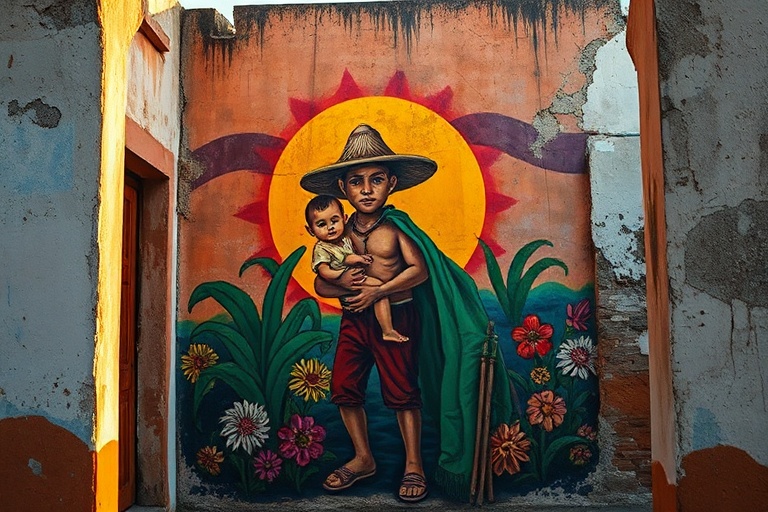
Salvador is the epicenter of Afro-Brazilian culture, and its influence radiates far beyond city limits. The city gave birth to samba-reggae, a genre that blends traditional samba with Caribbean rhythms, and is the birthplace of Ilê Aiyê, one of the most influential Afro-Brazilian cultural organizations in the world. Founded in 1974, Ilê Aiyê is more than a blocos de carnaval—it’s a movement dedicated to celebrating Black identity and fighting racism.
During Carnaval, Salvador transforms into a stage for one of the world’s most electrifying festivals. Unlike Rio’s samba-focused parade, Salvador’s Carnaval is a sonic explosion. Massive trucks called “trio elétricos” roll through the streets, blasting music while crowds dance for days. The city’s trios are legendary, hosting artists like Ivete Sangalo and Claudia Leitte, who have turned local rhythms into global hits. The energy is infectious, drawing over two million visitors each year.
Beyond music, Salvador’s cultural fabric is woven with Candomblé, a syncretic religion born from Yoruba traditions and Catholicism. Temples dot the city, and festivals like the Festa de Yemanjá honor the orixás (deities) with offerings of flowers and candles cast into the sea. These traditions are not relics of the past—they thrive in modern Salvador, where Afro-Brazilian pride is both celebrated and fiercely protected.
A City of Contrasts and Inequality
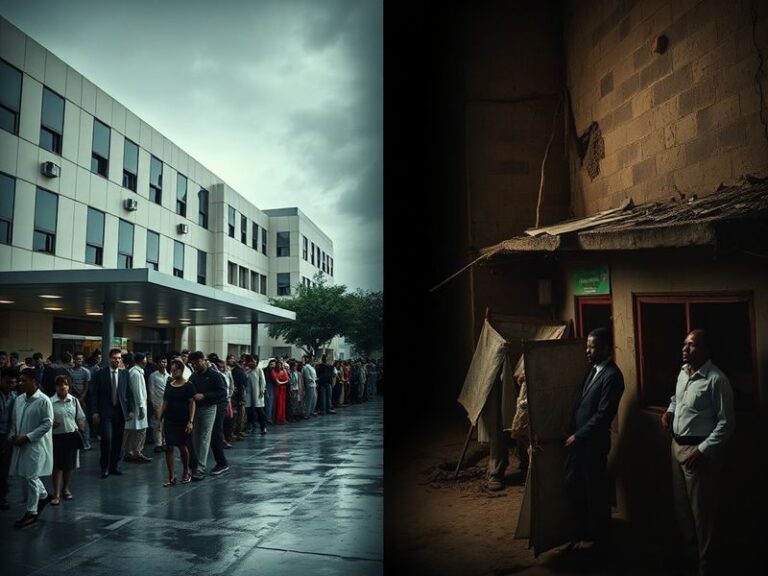
Despite its cultural richness, Salvador grapples with stark contrasts. The city’s historic center, Pelourinho, is a UNESCO World Heritage site, its colonial churches and pastel-colored buildings drawing tourists from around the globe. Yet just a few blocks away, communities face poverty, inadequate sanitation, and limited access to education. The divide is visible in the skyline: gleaming skyscrapers rise over favelas clinging to hilltops, where children play soccer on dusty pitches under the watchful eyes of armed police.
Salvador’s economy has long relied on tourism, commerce, and port activities, but structural inequalities persist. Afro-Brazilians, who make up the majority of the population, are disproportionately affected by unemployment and violence. In 2023, the city recorded over 2,000 homicides, a grim reminder of the challenges that lie beneath its vibrant surface. Efforts to address these issues include community-led initiatives like the Cultural Action Program, which uses art and education to empower youth in underserved neighborhoods.
Yet, resilience defines Salvador. Grassroots organizations are reclaiming public spaces, turning abandoned lots into urban gardens and hosting free cultural events. The city’s first Black mayor, ACM Neto, served from 2013 to 2021, and his administration prioritized infrastructure projects in marginalized areas. While progress is slow, the message is clear: Salvador’s future must be built on equity as much as on its legendary rhythms.
Culinary Delights: A Feast for the Senses
No visit to Salvador is complete without indulging in its cuisine, a fusion of African, Indigenous, and Portuguese flavors. The city’s most iconic dish is acarajé, a deep-fried black-eyed pea fritter stuffed with shrimp, vatapá (a creamy paste of bread, coconut, and peanuts), and spicy pepper sauce. According to legend, acarajé was created by enslaved Yoruba women who fried the delicacy to sell in the streets, transforming it into a symbol of resistance and survival.
For a taste of Salvador’s culinary diversity, head to Mercado Modelo, where vendors sell everything from fresh seafood to tropical fruits like umbu and cajá. Don’t miss out on moqueca, a fragrant fish stew cooked in dendê oil (palm oil), coconut milk, and cilantro. Pair your meal with a caipirinha made from cachaça and local fruits like passionfruit or jabuticaba.
Salvador’s food scene extends beyond restaurants. Street vendors called “baianas de acarajé” wear white lace headdresses and aprons, serving up crispy acarajé from steaming vats. These women are cultural ambassadors, their recipes passed down through generations. In 2004, acarajé was recognized as part of Brazil’s intangible cultural heritage, a testament to its significance in the nation’s identity.
Must-Try Dishes in Salvador
- Acarajé: The city’s signature street food, best enjoyed with a side of camarão (shrimp) and pepper sauce.
- Moqueca: A rich, coconut-based stew that captures the essence of Bahian cooking.
- Cocada: Sweet coconut candies, available in flavors like white, pink, and chocolate.
- Bobó de camarão: A creamy shrimp stew thickened with cassava paste.
- Quindim: A decadent dessert made from egg yolks, sugar, and coconut.
Beyond the City: Salvador’s Natural and Historical Gems
While Salvador’s urban energy is captivating, the surrounding region offers a chance to escape into nature and history. Just 60 kilometers south lies Cachoeira, a colonial town known for its waterfalls, coffee plantations, and Afro-Brazilian heritage. The town was a hotspot for the 1822 independence movement and remains a stronghold of Candomblé.
For beach lovers, Praia do Forte and Costa do Sauípe offer pristine sands and coral reefs teeming with marine life. These destinations are gateways to the Costa dos Coqueiros, a stretch of coastline lined with coconut palms and dotted with fishing villages. Eco-tourism is growing here, with projects like the Comboios Biological Reserve protecting endangered sea turtles.
History buffs can explore the ruins of the Forte de Santo Antônio da Barra, the oldest fort in Brazil, or visit the Museu Afro-Brasileiro in Pelourinho, which showcases artifacts and art celebrating African contributions to Brazilian culture. The museum’s collection includes works by renowned artists like Carybé, whose illustrations capture the soul of Salvador.
Day Trips from Salvador
- Cachoeira: A charming town with waterfalls, colonial architecture, and a thriving arts scene.
- Morro de São Paulo: A car-free island paradise with beaches, hiking trails, and a laid-back vibe.
- Chapada Diamantina: A national park offering caves, waterfalls, and hiking trails in Brazil’s interior.
- Itaparica Island: A tranquil escape with colonial churches, forts, and calm beaches.
A City That Demands to Be Felt
Salvador is not a city to observe from afar—it demands to be felt, tasted, and lived. Its contradictions make it compelling: a place where colonial grandeur rubs shoulders with Afro-Brazilian resilience, where poverty and creativity coexist, where the past is never truly past but alive in every drumbeat.
For travelers, Salvador offers an unparalleled sensory experience. For locals, it is a city of pride and struggle, a place where identity is both celebrated and contested. As Brazil’s cultural capital of Afro-descendants, Salvador challenges visitors to confront history while embracing joy. It is a city that refuses to be ignored, its rhythms echoing through the centuries, demanding to be heard.
In a world where cities are often reduced to landmarks or economic hubs, Salvador stands apart. It is a living testament to the power of culture to resist, to thrive, and to define a nation’s soul. To experience Salvador is to understand Brazil—not as a monolith, but as a vibrant, complex tapestry woven from threads of struggle, faith, and unshakable rhythm.