Salvador: Brazil’s Cultural Gem Where History Meets Modernity
Nestled on Brazil’s northeastern coast, Salvador stands as a vibrant testament to the country’s layered history. Founded in 1549 as the first capital of colonial Brazil, this city pulses with energy, blending colonial architecture, African traditions, and modern innovation. Unlike many urban centers shaped by homogeneity, Salvador thrives on its contradictions—where cobblestone streets echo the footsteps of enslaved Africans, and the Atlantic breeze carries the rhythm of samba and capoeira.
The Historical Tapestry of Salvador
Salvador’s origins trace back to the arrival of Portuguese settlers, who established it as a strategic port for the sugar trade. The city quickly became a hub of the transatlantic slave trade, importing millions of Africans to work on plantations. This dark history, however, birthed a cultural renaissance. The descendants of these enslaved people preserved their traditions, infusing Salvador with a distinct Afro-Brazilian identity that remains unmatched in the country.
The historic center, Pelourinho, is a UNESCO World Heritage Site that offers a glimpse into this past. Its colorful colonial buildings, once occupied by Portuguese elites, now house museums, art galleries, and Afro-Brazilian cultural centers. Walking through Pelourinho feels like stepping into a living museum, where every corner tells a story of resilience and reinvention.
Salvador’s historical significance extends beyond its colonial roots. The city played a pivotal role in Brazil’s fight for independence, with figures like Maria Quitéria, a female soldier who disguised herself as a man to join the rebel forces, emerging as symbols of bravery. Today, these stories are celebrated in festivals, street art, and public installations, ensuring that Salvador’s past continues to shape its present.
Cultural Vibrancy and Modern Identity
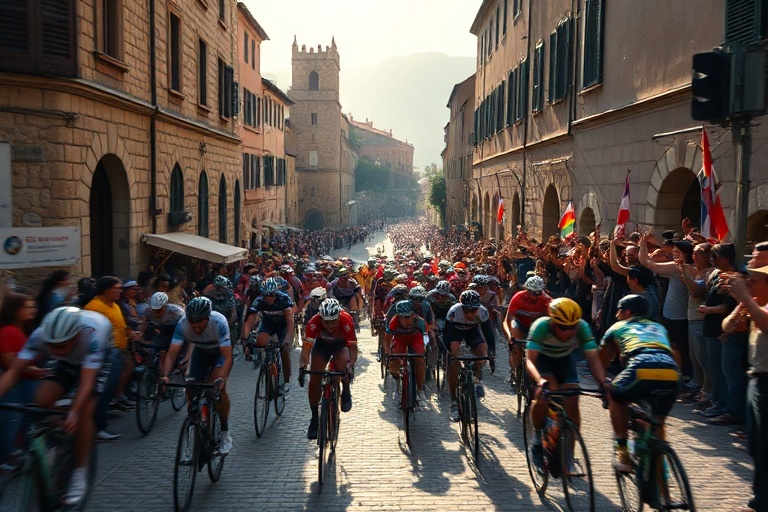
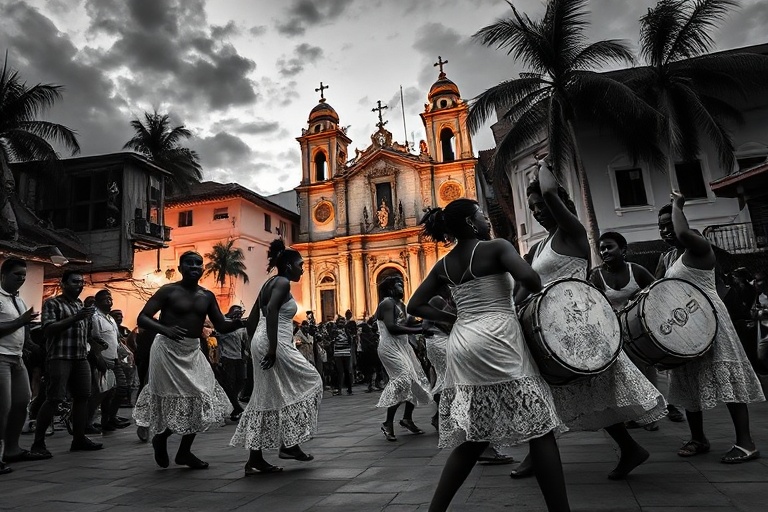
Salvador’s cultural landscape is as diverse as its people. The city is the epicenter of Afro-Brazilian music, particularly the drum-driven rhythms of samba-reggae and axé. During Carnival, Salvador transforms into a massive open-air party, with trios elétricos—mobile sound systems mounted on trucks—parading through the streets. The energy is infectious, drawing millions of visitors who come to experience one of the world’s most electrifying festivals.
Beyond Carnival, Salvador nurtures a thriving arts scene. The Culture section of Dave’s Locker highlights how cities like Salvador use art as a tool for social commentary and community building. Local artists draw from the city’s African roots, creating works that reflect both tradition and contemporary struggles. The Museu de Arte da Bahia, for example, showcases pieces that explore themes of identity, race, and resilience.
Food is another cornerstone of Salvador’s cultural identity. The city’s cuisine is a fusion of African, Indigenous, and Portuguese influences, with dishes like moqueca—a rich seafood stew cooked in coconut milk and dendê oil—and acarajé, a deep-fried black-eyed pea fritter stuffed with shrimp and spicy paste, drawing food enthusiasts from around the world. These culinary traditions are not just meals; they are rituals, passed down through generations and celebrated in street markets and family gatherings.
Key Aspects of Salvador’s Cultural Identity
- Music and Dance: Home to genres like samba-reggae, axé, and capoeira, which blend African rhythms with Brazilian creativity.
- Religious Syncretism: A blend of Catholicism and Afro-Brazilian religions like Candomblé, reflected in festivals and daily life.
- Culinary Heritage: Dishes like moqueca and acarajé are not just food; they are cultural symbols with deep historical roots.
- Visual Arts: A thriving scene that merges traditional Afro-Brazilian motifs with modern themes of identity and resistance.
Economic and Social Challenges
Despite its cultural riches, Salvador faces significant challenges. Poverty and inequality are pervasive, with stark contrasts between the affluent neighborhoods along the coast and the densely populated favelas perched on the hills. The city’s economy, once driven by sugar and tobacco, now relies on tourism, services, and a growing tech sector. However, unemployment remains high, particularly among young people, leading to social unrest and a push for economic reform.
The COVID-19 pandemic exacerbated these issues, devastating the tourism industry and leaving many small businesses struggling to survive. Yet, Salvador’s resilience shone through in grassroots initiatives that provided food and support to vulnerable communities. Organizations like Fundo Baobá, which focuses on racial equity, have worked to address systemic inequalities, proving that community-led solutions can drive meaningful change.
Urban planning is another critical issue. The city’s infrastructure struggles to keep pace with its rapid growth, leading to traffic congestion, inadequate public transportation, and environmental concerns. Efforts to revitalize the historic center and improve public services are underway, but progress is slow. The government’s recent investments in sustainable tourism and cultural preservation offer a glimmer of hope, but long-term solutions require collaboration between policymakers, businesses, and civil society.
The Future of Salvador: Opportunities and Aspirations
Salvador’s future hinges on its ability to leverage its cultural capital while addressing its social and economic disparities. The city’s designation as a UNESCO Creative City of Music in 2015 was a step in the right direction, recognizing its role as a global hub for musical innovation. Initiatives like the Salvador Tech Park aim to foster entrepreneurship and attract tech companies, diversifying the economy beyond tourism.
Tourism remains a double-edged sword. While it brings vital revenue, it also risks commodifying the city’s culture, reducing its vibrant traditions to mere attractions for visitors. Balancing authenticity with economic growth will be key. The city’s burgeoning film and music industries present another opportunity for growth, with local artists gaining international recognition and collaborating with global platforms.
The youth of Salvador are particularly instrumental in shaping its future. Organizations like Afroeducação are empowering young people through education and mentorship, ensuring that the next generation is equipped to lead. Their efforts highlight the importance of investing in education and youth development as catalysts for long-term change.
For visitors, Salvador offers an unparalleled experience—one that challenges perceptions and invites deeper engagement. It is a city where history is not confined to museums but lives in the streets, where struggle and celebration coexist, and where the past and future are constantly negotiating. Whether exploring the labyrinthine alleys of Pelourinho, dancing in a street samba, or savoring a bowl of moqueca by the harbor, one thing is clear: Salvador is not just a destination; it is an encounter with the soul of Brazil.
Why Salvador Matters Beyond Its Borders
Salvador’s story is a microcosm of broader global dynamics. It reflects the enduring legacy of colonialism, the resilience of marginalized communities, and the power of culture as a tool for resistance and renewal. In an era where cities are increasingly homogenized by globalization, Salvador stands out as a beacon of authenticity, where tradition and modernity coexist in dynamic tension.
The lessons of Salvador extend beyond Brazil. Its approach to cultural preservation, economic diversification, and social equity offers a model for other cities grappling with similar challenges. By prioritizing community-led initiatives and investing in its creative sectors, Salvador demonstrates how culture can drive sustainable development.
For those seeking to understand the complexities of Brazil—or the broader African diaspora—Salvador is an essential destination. It is a reminder that history is not a relic of the past but a living, breathing force that shapes the present and future.
As the city continues to evolve, one thing remains certain: Salvador’s spirit is unbreakable. It is a city that has weathered centuries of change, emerging each time with renewed strength and vibrancy. In a world often divided by borders and differences, Salvador offers a powerful example of what it means to celebrate diversity, confront injustice, and embrace the future without forgetting the past.