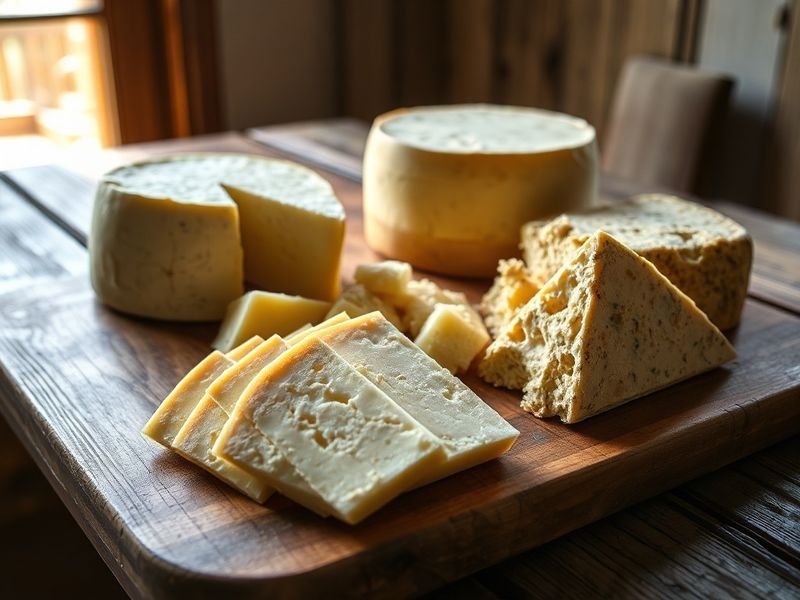
Asiago Cheese: History, Uses and Why It Stands Out
“`html
The Rich History and Versatile Uses of Asiago Cheese
Asiago cheese is a cornerstone of Italian dairy craftsmanship, celebrated for its nutty depth and adaptable texture. Originating in the Veneto and Trentino regions of northern Italy, this cheese has been produced for centuries, with its earliest documented references tracing back to the Middle Ages. The Asiago plateau, situated between the provinces of Vicenza and Trento, provides the ideal alpine climate for crafting this beloved dairy product. Local shepherds originally produced a simple, aged sheep’s milk cheese, but over time, the recipe evolved to incorporate cow’s milk, creating the version most recognized today.
What sets Asiago apart is its aging process, which dramatically transforms its flavor profile. Fresh Asiago, known as Asiago Pressato, has a mild, buttery taste and a smooth, pliable texture. When aged for at least three months, it develops into Asiago d’Allevio, offering a more robust, slightly tangy character. For those seeking intensity, Asiago Vecchio or Asiago Stravecchio, aged up to a year or more, delivers sharp, crystalline textures and complex flavors reminiscent of caramelized nuts and dried fruit. This versatility has cemented Asiago’s place in both everyday and gourmet cooking.
The Craftsmanship Behind Asiago Cheese
Producing Asiago is a meticulous process that blends tradition with modern techniques. The milk, whether from cows or a blend of cow and sheep, is first heated and inoculated with specific cultures to encourage fermentation. Rennet is then added to coagulate the milk, forming curds that are cut, heated, and drained. The curds are pressed into wheels, which are salted—either by brining or dry-salting—and left to age in temperature-controlled cellars. Artisanal producers, particularly those in the Asiago plateau, still follow these time-honored methods, ensuring each wheel reflects the terroir of its origin.
Certified by the Denominazione di Origine Protetta (DOP) since 1996, authentic Asiago must adhere to strict regional and production standards. This designation guarantees that only cheese made from locally sourced milk in designated areas can bear the Asiago name. The DOP regulations also dictate aging times, milk sources, and production methods, preserving the cheese’s authenticity. Small dairies, such as those in the town of Asiago itself, often handcraft cheese in small batches, adding an artisanal touch that mass-produced varieties lack. These producers prioritize quality over quantity, resulting in a product that commands respect in culinary circles.
Visitors to the Veneto region can witness this craft firsthand at local creameries and dairy farms. Many offer tours where guests learn about the cheese-making process, from milking the cows to tasting aged wheels. The Food section of Dave’s Locker highlights similar regional specialties, showcasing how geography shapes flavor. Pairing a visit to an Asiago dairy with a meal at a nearby trattoria allows one to experience the cheese in its most authentic context—freshly grated over pasta or melted into risotto.
Culinary Uses: From Everyday Meals to Gourmet Creations
Asiago’s adaptability makes it a staple in both home kitchens and professional restaurants. Its mild, young varieties work beautifully in simple preparations, while aged Asiago shines in dishes that demand bold flavors. Here’s how this cheese can elevate a variety of meals:
- Pasta and Risotto: Grated Asiago adds a nutty richness to dishes like pasta al forno or creamy risottos. Its saltiness enhances the natural sweetness of vegetables, making it a favorite in vegetarian cooking.
- Salads and Appetizers: Aged Asiago pairs well with fruits like pears and figs, or can be served alongside cured meats on a charcuterie board. Fresh Asiago melts seamlessly into dips or spreads, perfect for crostini.
- Pizza and Flatbreads: Many traditional Italian pizzas use Asiago as a topping, either alone or in combination with mozzarella. Its ability to brown and develop a slight crunch makes it ideal for thin-crust pizzas.
- Soups and Stews: A sprinkle of aged Asiago can deepen the flavor of minestrone or bean soups. Its sharpness cuts through the richness of creamy dishes like zuppa di zucca (pumpkin soup).
- Baking: Asiago’s crumbly texture makes it an excellent addition to bread or focaccia dough, adding both flavor and structure. It can also be folded into savory scones or biscuits for a cheesy twist.
Chefs often use Asiago as a substitute for Parmesan, particularly in dishes where its texture differs slightly but its nutty profile complements the ingredients. For example, replacing Parmesan with Asiago in a classic carbonara adds a subtle earthiness that balances the dish’s richness. Meanwhile, younger Asiago melts more smoothly than aged varieties, making it ideal for sauces or gratins. This flexibility has led to its inclusion in fusion cuisine, where it’s paired with unexpected ingredients like truffle oil or spicy chorizo.
For those looking to experiment, the Food category on Dave’s Locker features recipes that highlight Asiago in creative ways. One standout is a recipe for Asiago and roasted garlic mashed potatoes, where the cheese’s sharpness cuts through the creaminess of the dish. Another popular option is a quick Asiago and spinach quiche, perfect for brunch or a light dinner. These recipes demonstrate how Asiago can transform ordinary ingredients into something extraordinary.
Asiago in Global Cuisine and Market Trends
While Asiago remains deeply rooted in Italian tradition, its popularity has spread worldwide, thanks to globalization and a growing appreciation for artisanal cheeses. In the United States, for example, Asiago has carved out a niche in specialty cheese shops and gourmet grocery stores. Its availability has increased alongside the rise of farm-to-table dining and the demand for high-quality, locally sourced ingredients. Importers often source Asiago from certified DOP producers, ensuring authenticity even when sold abroad.
Market trends indicate a growing interest in aged cheeses, with consumers seeking out complex flavors and textures. Asiago Vecchio, in particular, has gained traction among cheese connoisseurs who appreciate its sharp, crystalline bite. This demand has led to an increase in small-batch imports and collaborations between Italian dairies and international distributors. Social media has also played a role, with food influencers showcasing Asiago in visually appealing dishes, further fueling its popularity.
Beyond its culinary uses, Asiago has also found a place in the health and wellness space. As a source of protein, calcium, and vitamin B12, it’s a nutritious addition to many diets. Aged Asiago, in particular, is lower in lactose, making it a suitable option for those with mild lactose intolerance. However, its high sodium content is something to consider for individuals monitoring their salt intake. Nutritionists often recommend moderation, pairing Asiago with fiber-rich foods to balance its richness.
The global cheese market continues to evolve, with Asiago benefiting from its reputation for quality. In regions like Europe and North America, specialty cheese shops and online retailers now offer a wider selection of Asiago varieties, from young and mild to extra-aged and crumbly. This accessibility has made it easier for home cooks to experiment with the cheese, integrating it into both traditional and innovative recipes. As consumers become more adventurous in their culinary choices, Asiago is poised to remain a beloved ingredient for years to come.
A Timeless Cheese with Enduring Appeal
Asiago cheese is more than just a dairy product; it’s a testament to the artistry and tradition of Italian cheesemaking. Its journey from the alpine pastures of Veneto to kitchens around the world highlights its universal appeal. Whether enjoyed in a simple snack, a gourmet meal, or a creative fusion dish, Asiago offers something for every palate. Its ability to adapt to different culinary contexts ensures its place in both everyday cooking and high-end gastronomy.
The dedication of artisanal producers to preserving traditional methods guarantees that each wheel of Asiago carries the essence of its origin. For those who take the time to explore its nuances, Asiago reveals layers of flavor and texture that reflect its aging process and regional influences. As global interest in artisanal and DOP-certified foods grows, Asiago stands as a shining example of how heritage and quality can create a timeless product.
For readers eager to dive deeper into the world of Italian cheeses or explore new recipes, the Food section of Dave’s Locker offers a wealth of resources. From guides on pairing cheeses with wine to step-by-step tutorials on incorporating them into meals, there’s always more to discover. Asiago may have humble beginnings, but its legacy is anything but ordinary.