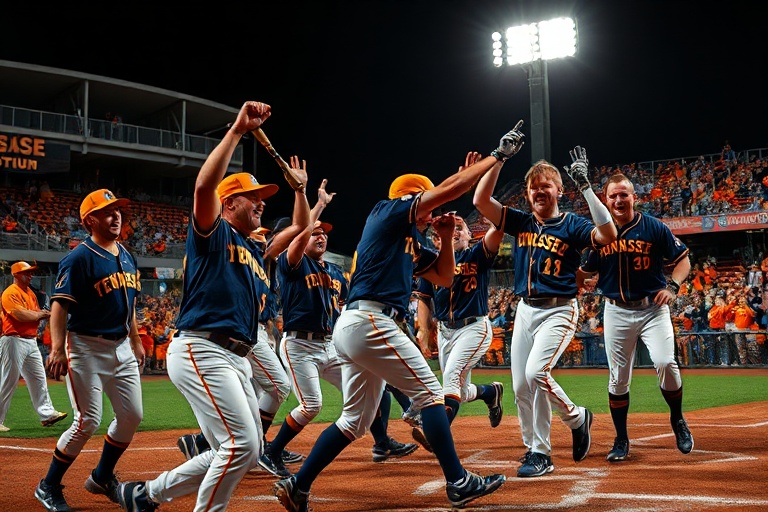
Tennessee Baseball: How the Volunteer State Became a Baseball Powerhouse
Baseball in Tennessee isn’t just a sport—it’s a cultural institution woven into the fabric of the state’s identity. From the crack of bats at iconic stadiums to the rise of homegrown talent making waves in Major League Baseball, Tennessee’s baseball scene reflects a blend of tradition, community pride, and modern ambition. This story isn’t confined to the Volunteer State; it resonates globally as Tennessee-produced players and programs gain international recognition.
The state’s baseball culture thrives on deep-rooted history and dynamic evolution. Programs like the University of Tennessee Volunteers and the Vanderbilt Commodores have become powerhouses, not just in the Southeastern Conference but on the national stage. Their success has turned Tennessee into a fertile ground for developing elite baseball talent, drawing attention from scouts, fans, and aspiring players worldwide.
The Rise of Tennessee Baseball on the National Stage
Tennessee’s baseball programs have climbed the ranks of college athletics with remarkable consistency. The Vanderbilt Commodores, in particular, have set a new standard for excellence. Since 2011, the Commodores have appeared in the NCAA Tournament every year, won multiple College World Series titles, and produced dozens of MLB draft picks. Their 2014 and 2019 national championships cemented their place among college baseball’s elite.
The University of Tennessee Volunteers have also made their mark, with a storied history that includes eight Southeastern Conference championships and multiple College World Series appearances. The rivalry between these two programs isn’t just a regional highlight; it’s a showcase of high-level baseball that attracts national television audiences and top-tier recruits from across the country.
Beyond college ball, Tennessee has become a hotspot for amateur and youth baseball development. Tournaments like the Perfect Game National Showcase draw hundreds of elite prospects to cities like Nashville and Memphis each year. These events serve as proving grounds for young players, many of whom go on to play in MLB organizations or secure college scholarships.
Key Factors Behind Tennessee’s Baseball Success
Several elements contribute to Tennessee’s growing reputation as a baseball powerhouse:
- Coaching Excellence: Programs in Tennessee benefit from experienced coaches who emphasize player development, tactical discipline, and mental toughness. Vanderbilt’s Tony Kemp and Tennessee’s Tony Vitello are prime examples of leaders who have elevated their teams to national prominence.
- Facility Investments: State-of-the-art facilities like Vanderbilt’s Hawkins Field and Tennessee’s Lindsey Nelson Stadium provide players with top-tier training environments. These venues are designed to replicate professional stadium conditions, giving athletes a competitive edge.
- Community Support: Tennessee’s baseball culture is bolstered by passionate fan bases. Games draw large crowds, and local businesses often sponsor youth leagues, creating a self-sustaining ecosystem for the sport.
- Scouting and Exposure: Tennessee’s proximity to major scouting hubs, including MLB regional offices in Nashville and Atlanta, ensures that local talent receives high-level attention. The state’s baseball academies and travel ball programs provide structured pathways for players to showcase their skills.
From Tennessee to the MLB: The Path of Homegrown Talent
Tennessee has produced a steady stream of MLB talent, with players like David Price, Todd Helton, and Walker Buehler rising from local high schools and college programs to stardom in the majors. Price, a Cy Young Award winner from Murfreesboro, became one of the most dominant pitchers of his generation, while Helton, a Knoxville native, carved out a Hall of Fame-worthy career with the Colorado Rockies. Buehler, a Lexington native, has emerged as a key arm for the Los Angeles Dodgers, known for both his pitching prowess and offensive contributions.
The pipeline from Tennessee to the MLB is more than just luck. It’s the result of intentional development systems, including high school summer leagues, college recruitment strategies, and partnerships with MLB organizations. The Tennessee Baseball Academy, for example, offers year-round training for elite prospects, blending technical instruction with competitive play.
For international players, Tennessee has also become an attractive destination. The state’s college programs actively recruit talent from countries like Canada, Puerto Rico, and Japan, adding diversity to rosters and fostering cultural exchange. Vanderbilt’s 2019 championship team, for instance, featured players from the United States, Canada, and the Dominican Republic, showcasing the global appeal of Tennessee baseball.
The Cultural Impact of Baseball in Tennessee
Baseball in Tennessee is more than a summer pastime; it’s a cultural touchstone. The sport’s presence is felt in everything from small-town Little League fields to the grand stages of SEC and MLB games. Communities rally around their teams, with rituals like tailgating at Tennessee or Vanderbilt games becoming social events in their own right.
Music and baseball have intersected in Tennessee’s cultural narrative as well. The state’s rich musical heritage, from blues to country, often intertwines with its baseball culture. Nashville’s First Horizon Park, home of the Nashville Sounds, hosts concerts and events that blend music and sports, reflecting the city’s dual identity as a cultural and entertainment hub.
Tennessee’s baseball culture also plays a role in tourism. Cities like Knoxville and Nashville leverage their baseball programs to attract visitors. The Smokies GameFest in Knoxville, for example, celebrates the region’s baseball heritage while drawing fans from across the Southeast. These events highlight the sport’s economic and social impact beyond the field.
Youth Development and the Future of Tennessee Baseball
The future of Tennessee baseball looks bright, thanks to a focus on youth development. Leagues like the Tennessee Baseball Youth Organization (TBYO) provide structured competition for players as young as 8 years old, while high school programs prioritize skill development and college recruitment. The state’s emphasis on baseball education ensures that players are prepared for the next level, whether in college or professional ranks.
Technology is also playing a bigger role in player development. Tools like TrackMan and Rapsodo, which analyze swing mechanics and pitch velocity, are becoming standard in Tennessee’s training facilities. These innovations help players refine their skills with data-driven precision, giving them a competitive edge.
As Tennessee continues to produce elite talent, the state’s baseball programs are poised to remain at the forefront of the sport. The combination of tradition, investment, and innovation creates an environment where players can thrive, and where baseball’s cultural significance continues to grow.
Conclusion: Tennessee Baseball’s Global Reach
Tennessee baseball is a testament to the power of community, investment, and passion. From the fields of Nashville to the dugouts of Knoxville, the sport thrives on a foundation of local pride and global ambition. As Tennessee’s players and programs continue to make their mark on the national and international stages, the state’s baseball culture will only strengthen, inspiring future generations of athletes and fans.
For those watching from afar, Tennessee offers a compelling blueprint for how a region can build and sustain a baseball legacy. It’s a story of grassroots growth, institutional success, and the enduring appeal of America’s pastime—evolving in a way that resonates far beyond its borders.