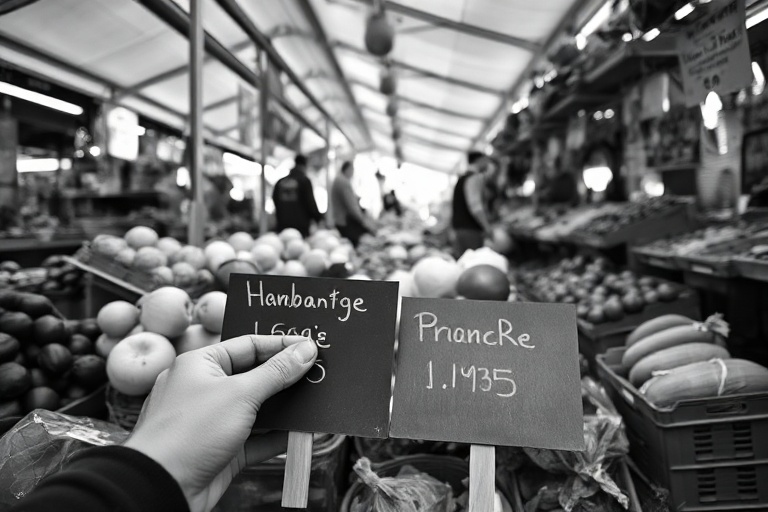
The Hidden Truth Behind Every Price Tag in Modern Society
Prices are the silent architects of modern life. They determine what we can afford, where we live, how we work, and even how we think about value itself. From the cost of a cup of coffee to the valuation of a tech startup, prices reflect the complex interplay between supply, demand, and human psychology. Yet despite their ubiquity, prices remain one of society’s least examined forces.
What do prices truly represent? How do they influence behavior beyond mere transactions? And why do some prices feel fair while others spark outrage? To understand prices is to understand power, scarcity, and the invisible rules that govern daily existence.
The Psychology of Price: Why We Pay What We Pay
Human decision-making rarely follows the rational logic economists once assumed. Instead, prices trigger deep psychological responses that shape our perception of value. A $5 latte feels reasonable, but a $5 bottle of water at a stadium can feel like highway robbery. The difference lies not in the product, but in the context.
Several cognitive biases influence how we interpret prices:
- Anchoring: The first price we see sets a mental benchmark. If a shirt is marked down from $100 to $50, the discount feels significant, even if the original price was inflated.
- Decoy Effect: Introducing a third, less attractive option can make a pricier item seem like a better deal. This tactic is common in subscription models and upselling strategies.
- Pain of Paying: Cash transactions feel more “real” than digital payments, making people more cautious spenders. Credit cards, by contrast, dull the psychological sting of spending.
Retailers and service providers exploit these biases constantly. Limited-time offers, tiered pricing, and “free” trials are all designed to manipulate perception rather than reflect true cost. The result is a marketplace where value is fluid, and fairness is often subjective.
The Hidden Costs Behind the Price Tag
Prices are rarely as simple as they appear. Behind every dollar lies a web of externalities—unseen consequences that ripple through society and the environment. A $20 T-shirt, for example, may seem like a bargain, but its true cost includes:
- Environmental Degradation: Fast fashion relies on cheap, non-recyclable materials and exploitative production methods that pollute waterways and contribute to climate change.
- Labor Exploitation: Many low-cost goods are produced in countries with weak labor laws, where workers endure poverty wages and hazardous conditions.
- Cultural Homogenization: As global brands dominate, local artisans and traditions struggle to compete, eroding diversity in craftsmanship and design.
- Health Impacts: Ultra-processed foods sold at low prices often lead to long-term healthcare costs, from obesity to diabetes.
This phenomenon, known as “externalized costs,” allows consumers to enjoy low prices while the burden falls on workers, communities, and future generations. Some economists argue that true prices should include these hidden expenses—a concept gaining traction in movements like “true cost accounting.”
For instance, a study by the Sustainability section on Dave’s Locker found that if fast fashion brands paid workers living wages and reduced pollution, the price of a basic t-shirt could double. Yet most consumers remain unaware of these trade-offs, lulled into complacency by the illusion of affordability.
The Power of Price: Who Really Controls the Market?
Prices are not just numbers—they are tools of influence. The entities that set prices often determine who thrives and who struggles. Consider the housing market, where prices in major cities have skyrocketed not because of increased demand for homes, but because of speculative investment and zoning restrictions that limit supply.
In the tech industry, pricing strategies can create monopolies. Companies like Amazon and Apple use loss-leading tactics to undercut competitors, driving small businesses out of the market. Once dominance is achieved, prices rise unchecked. This cycle has led to calls for stricter antitrust regulations, particularly in sectors where a few corporations control vast swaths of the economy.
Governments also play a pivotal role in shaping prices through taxes, subsidies, and price controls. For example:
- Sin Taxes: Higher prices on tobacco and alcohol aim to reduce consumption by making these products less affordable.
- Subsidies: Agricultural subsidies in the U.S. and Europe keep food prices artificially low, distorting global markets and harming farmers in developing nations.
- Price Ceilings: Rent control policies attempt to make housing more affordable, though critics argue they can lead to housing shortages by discouraging new construction.
The debate over who should control prices—corporations, governments, or consumers—is at the heart of many political and economic struggles. The answer is rarely simple, but one thing is clear: prices are never neutral. They are the result of power struggles, and those struggles have real-world consequences.
Rethinking Value: Beyond the Price Tag
In a society obsessed with cost, we often forget that value extends beyond monetary measures. Time, health, relationships, and creativity all contribute to a richer understanding of what something is “worth.” Yet modern capitalism reduces much of life to a transactional equation.
Consider the rise of the “attention economy.” Social media platforms like Facebook and TikTok offer free services, but the real price is the data extracted from users—data that fuels targeted advertising and manipulates behavior. The cost is not paid in dollars, but in autonomy and mental well-being.
Similarly, the gig economy redefines labor as a series of micro-transactions. Uber drivers, DoorDash couriers, and freelancers are paid per task, with little security or benefits. The price of convenience for consumers is the erosion of worker rights.
To challenge this paradigm, some communities are experimenting with alternative economic models. Local currencies, time banks, and cooperative ownership aim to prioritize human needs over profit. In these systems, value is measured by contribution rather than extraction.
As consumers, we can also rethink our relationship with prices. Supporting businesses that pay fair wages, using sustainable products, and questioning the true cost behind bargains are small but meaningful steps. The goal isn’t to eliminate prices entirely, but to recognize them as one part of a larger ethical framework.
Final Thoughts
Prices are more than mechanisms for exchange—they are mirrors reflecting societal priorities and power structures. They can empower or exploit, unite or divide, uplift or oppress. Understanding the forces behind prices allows us to make more informed choices and advocate for systems that prioritize well-being over mere accumulation.
Next time you see a price tag, ask yourself: What’s really being traded here? Who benefits? Who pays the hidden costs? The answers might surprise you—and they might just change how you spend your money.