Why Season Tickets Are a Smart Investment for Fans and Organizations
For dedicated fans, season tickets represent more than a financial commitment—they’re a gateway to belonging, priority, and long-term savings. Whether for sports teams, concert venues, or theater series, these passes offer advantages that single-event purchases simply can’t match. In an era where convenience often trumps commitment, season tickets remain a powerful tool for both consumers and organizations.
Why Fans Choose Season Tickets
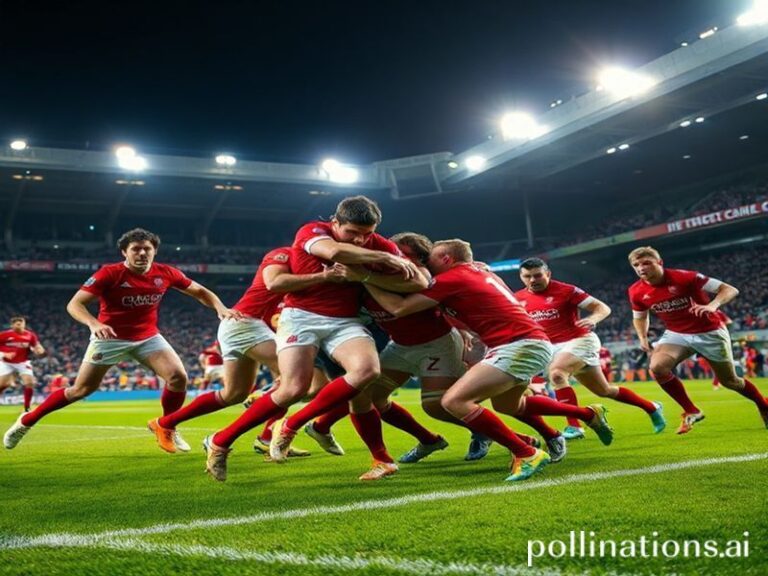
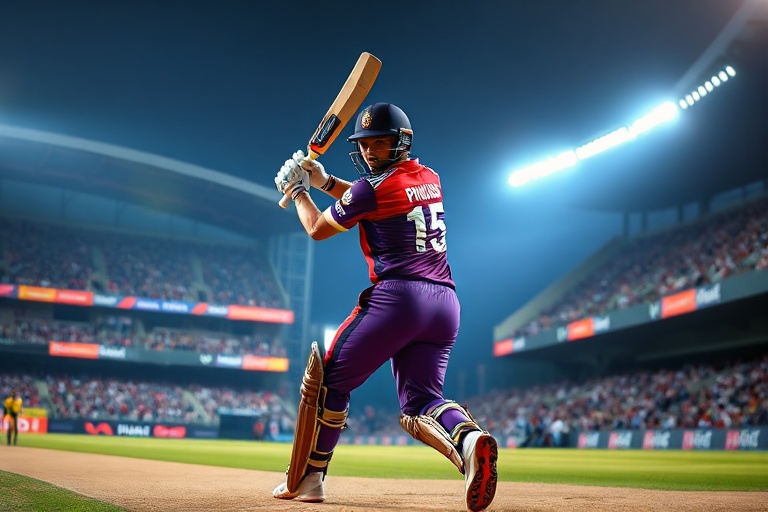
The decision to invest in season tickets stems from a blend of practicality and passion. For sports enthusiasts, these passes ensure they never miss a home game, fostering a deeper connection to the team and its community. Concertgoers benefit from guaranteed access to high-demand shows, while theater patrons enjoy consistent seating in prime locations. Beyond the immediate perks, season ticket holders often receive exclusive perks such as pre-sale access, merchandise discounts, and invitations to special events.
Financial incentives also play a key role. Bulk purchases typically reduce the per-event cost, making season tickets a smarter long-term investment. Many venues offer payment plans, spreading the expense over months to ease the upfront burden. Loyalty rewards further sweeten the deal—points earned through attendance can often be redeemed for free tickets, upgrades, or merchandise.
Key Benefits of Season Tickets
- Cost Efficiency: Lower per-event pricing compared to single tickets, especially for high-demand events.
- Guaranteed Access: Priority seating and protection against sell-outs or price surges as events approach.
- Exclusive Perks: Early entry, member-only promotions, and invitations to private events.
- Payment Flexibility: Spread payments over time with installment plans tailored to fan budgets.
- Community Building: Foster relationships with fellow fans through shared experiences and loyalty programs.
The Organizational Advantage
From the organization’s perspective, season tickets provide financial stability and operational predictability. Revenue from advance sales helps fund roster moves, venue upgrades, or production schedules long before the first event takes place. This cash flow allows teams and venues to plan with confidence, reducing reliance on last-minute ticket sales or emergency fundraising.
Season ticket holders also act as brand ambassadors. Their consistent presence at games or shows amplifies the atmosphere, creating an environment that attracts casual fans and media attention. This ripple effect boosts overall attendance and engagement, strengthening the organization’s reputation and marketability.
Moreover, season ticket programs facilitate data collection. Organizations can track attendance patterns, preferences, and feedback to refine marketing strategies, improve fan experiences, and personalize communications. In an age where customer insights drive competitive advantage, these insights are invaluable.
The Evolving Landscape of Season Ticket Programs
While season tickets remain a cornerstone of fan engagement, their format is evolving. Digital ticketing has streamlined access, eliminating the need for physical passes and enabling dynamic seat upgrades or swaps. Some organizations now offer “flex packs” or partial season plans, catering to fans who want benefits without the full commitment.
Hybrid models are also emerging. For example, some sports teams combine season ticket perks with streaming access, allowing fans to attend games in person or watch remotely—a response to changing viewing habits and accessibility needs. Venues hosting multi-event series, like Broadway tours or music festivals, are experimenting with tiered memberships, where higher tiers unlock premium experiences such as backstage tours or artist meet-and-greets.
Yet challenges persist. Rising ticket prices, economic uncertainty, and shifting consumer priorities have made some fans hesitant to commit. Organizations must balance affordability with value, ensuring that season ticket holders feel their investment is justified year after year.
The Future: Personalization and Flexibility
As technology advances, season ticket programs are likely to become more personalized. Artificial intelligence could curate event recommendations based on past attendance, while blockchain may enable secure, transferable ticket ownership. Augmented reality might even enhance the in-person experience, offering interactive guides or exclusive behind-the-scenes content to pass holders.
Flexibility will remain a priority. Fans increasingly seek options that adapt to their schedules and budgets. Venues that offer modular plans—such as the ability to swap dates, upgrade seats, or pause memberships—will attract a broader audience. Transparency in pricing and benefits will also be critical, as fans demand clear value propositions in exchange for their loyalty.
Ultimately, season tickets are evolving from static contracts into dynamic relationships. Organizations that prioritize fan experience, leverage data intelligently, and adapt to modern expectations will not only retain season ticket holders but turn them into lifelong advocates.
Is a Season Ticket Right for You?
Season tickets offer undeniable benefits, but they’re not for everyone. Consider your schedule, budget, and commitment level before purchasing. If you attend regularly, value exclusivity, and want to deepen your connection to an organization, they’re a smart choice. However, if your plans are unpredictable or your budget is tight, flex packs or single-event purchases may be a better fit.
For those ready to commit, research is key. Compare pricing, read the fine print on transfer policies, and evaluate the total value of perks. And don’t hesitate to reach out to current season ticket holders for firsthand insights—their experiences can guide your decision.
Whether you’re a die-hard fan or a casual attendee exploring long-term engagement, season tickets provide a unique opportunity to be part of something bigger. In a world where instant gratification often trumps loyalty, they stand as a testament to the enduring power of commitment.
For more on event experiences and fan engagement, visit our Sports and Entertainment category pages.