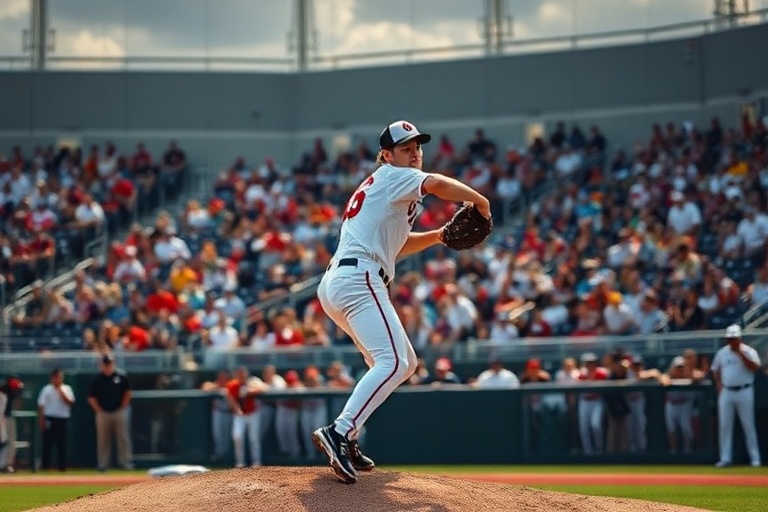
The D1 baseball landscape evolves rapidly each season, with rankings serving as both a mirror and a compass for team performance. These rankings, compiled by coaches, media, and analytics platforms, don’t just reflect current form—they influence recruiting, scheduling, and even postseason expectations. As the 2024 season unfolds, the top-ranked teams are already setting the tone, creating narratives that will define the college baseball narrative for years to come.
This year’s rankings reflect a mix of returning powerhouses, breakout programs, and teams on the rise. Programs like Tennessee, Texas, and Florida State have reasserted themselves as perennial contenders, while others like Wake Forest and Arkansas are quietly assembling rosters capable of challenging for national titles. The rankings aren’t just about who’s winning now; they’re about projecting who will dominate in Omaha.
The Method Behind the Rankings
D1 baseball rankings aren’t arbitrary. They’re shaped by a combination of factors that go beyond wins and losses. The college baseball category on Dave’s Locker breaks down the key elements that influence rankings:
- Strength of schedule: Teams that play tougher opponents early often gain rank momentum, even if they drop a game or two.
- Player development: Programs with MLB Draft prospects or breakout stars tend to climb rankings as their talent becomes apparent.
- Coaching stability: Programs with consistent leadership—like Tony Vitello at Tennessee or Erik Bakich at Michigan—build reputations that precede them.
- Recent performance: A hot streak in conference play can vault a team into the top 10 overnight.
Analytics play an increasingly large role in rankings, with metrics like Fielding Independent Pitching (FIP), weighted on-base average (wOBA), and run differential providing context beyond traditional stats. The blend of human polling (like the USA Today Coaches Poll) and data-driven models (like Baseball America’s rankings) ensures that no single factor dictates the hierarchy.
Teams to Watch in 2024
The top of the 2024 D1 baseball rankings features a blend of familiar names and fresh faces. Tennessee, last year’s national runner-up, opened the season as the consensus No. 1, thanks to a loaded pitching staff and a lineup that returns eight of nine starters. The Volunteers’ blend of power and pitching depth makes them the team to beat, though challenges from the SEC and ACC won’t be easy.
Texas, meanwhile, has reloaded under head coach David Pierce, integrating a mix of transfer portal arms and elite freshmen. The Longhorns’ ability to reload—rather than rebuild—has kept them in the national conversation, even after losing key players to the MLB Draft.
Florida State has quietly assembled one of the most balanced rosters in the country, with a deep pitching rotation and a lineup capable of explosive offensive outbursts. The Seminoles’ consistency suggests they could be the sleeper team in the ACC, especially if their bullpen remains lights-out in high-leverage situations.
Not all top-10 teams rely on established powerhouses. Wake Forest, fresh off a College World Series appearance, has reloaded with a mix of experienced hitters and a pitching staff that thrives on contact suppression. Their ability to grind out wins—even without overpowering velocity—makes them a dangerous opponent in any series.
The Broader Impact of Rankings
Rankings aren’t just about bragging rights. They shape the entire college baseball ecosystem in several ways:
- Recruiting: High-ranked programs attract top recruits, creating a virtuous cycle of talent acquisition. A top-10 ranking signals to high school prospects that a program is on the rise, making it easier to sell the vision of future success.
- Scheduling: Teams with strong rankings can afford to schedule tougher non-conference opponents, which further boosts their résumé. Programs like Clemson and Vanderbilt often use early-season tournaments against elite competition to test their mettle.
- Fan engagement: Rankings drive ticket sales, merchandise revenue, and media attention. A top-5 ranking can turn a regional rivalry game into a de facto neutral-site showcase, with national implications.
- Postseason implications: The NCAA Tournament selection committee uses rankings as a tiebreaker when evaluating at-large bids. A team ranked in the top 25 at season’s end has a significant advantage in securing a regional hosting spot.
The psychological edge of rankings can’t be overstated either. Teams that start the season ranked often carry that momentum into conference play, while unranked programs fight against the perception of being underdogs. This dynamic was on full display in 2023, when No. 12 Wake Forest defied preseason projections to reach Omaha, proving that rankings are fluid.
What’s Next for the Top Teams?
The next two months will determine which of these ranked teams can separate themselves from the pack. The SEC, with its brutal round-robin schedule, will likely produce multiple top seeds, but the ACC and Big 12 aren’t far behind. Programs like Florida State and Clemson have the pitching to survive the gauntlet, while teams like Tennessee and Texas will rely on their offensive firepower to outlast the grind.
For mid-major programs, the challenge is different. Teams like Coastal Carolina and UNC Wilmington, perennial contenders in the Sun Belt, must navigate their conference schedules while eyeing an at-large bid. Their ability to peak at the right time—without falling victim to early upsets—will define their seasons.
The rankings will shift weekly, reflecting new data, injuries, and momentum swings. But the teams that remain consistent in their approach—whether through pitching, defense, or clutch hitting—will be the ones standing in Omaha. For fans, analysts, and players alike, the journey from preseason rankings to the College World Series is what makes college baseball so compelling.
As the season progresses, keep an eye on how the top teams adapt. Will Tennessee’s pitching hold up under pressure? Can Texas’s offense overcome early-season inconsistencies? Will an unranked program crash the top 10 and force a reshuffle? One thing is certain: the rankings will keep evolving, just like the game itself.
For deeper analysis on D1 baseball trends, visit the Dave’s Locker College Baseball Hub, where real-time rankings, player profiles, and game breakdowns provide a 360-degree view of the season.