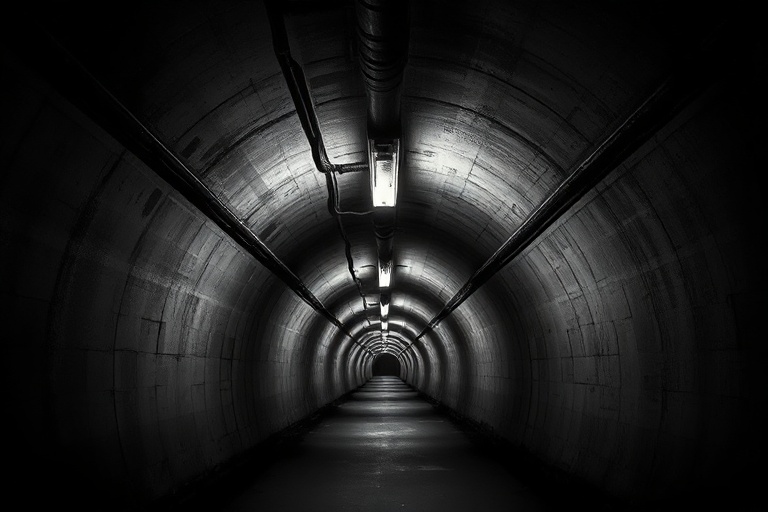
tunnel
The tunnel stands as one of humanity’s most enduring engineering achievements. From ancient water channels carved into rock to the high-speed rail tunnels piercing mountain ranges today, these subterranean passageways have quietly reshaped how we live, work, and travel. More than just hollowed-out spaces, tunnels are lifelines connecting cities, enabling global trade, and even safeguarding the future through critical infrastructure.
What makes a tunnel more than just a hole in the ground? Its design must account for geological instability, water pressure, ventilation, and long-term durability. Modern tunnels integrate sensors, automated systems, and advanced materials to ensure safety and efficiency. Whether beneath a river, through a mountain, or deep below urban centers, each tunnel represents a calculated balance of precision, persistence, and innovation.
The Engineering Behind the Underground
Building a tunnel is not for the faint of heart. It demands a blend of geology, physics, and logistical mastery. The process begins with extensive site surveys using ground-penetrating radar and 3D modeling to map rock layers, fault lines, and groundwater flow. Engineers then choose between two primary excavation methods: cut-and-cover or bored tunneling.
Cut-and-cover tunnels, often used in urban areas like city transit systems, are built by digging a large trench, constructing the tunnel structure, and then covering it back up. This method is faster and cheaper but disruptive to surface activity. Bored tunnels, created using tunnel boring machines (TBMs), are more suited for deep or long-distance projects. These massive machines can chew through rock and soil while simultaneously installing tunnel lining to prevent collapse.
One of the most impressive examples is the Gotthard Base Tunnel in Switzerland, the world’s longest rail tunnel at 57.1 km. Completed in 2016, it reduced travel time between Zurich and Milan by over an hour and cut Alpine crossing emissions by shifting freight from road to rail. Such projects highlight how tunnels are not just engineering feats—they’re catalysts for economic and environmental change.
A Global Network Beneath Our Feet
Tunnels are the unsung arteries of modern civilization. Below ground, they carry everything from water and electricity to data and people. In densely populated cities, underground metro systems like London’s Tube or Tokyo’s subway move millions daily, reducing surface congestion and air pollution. Meanwhile, underwater tunnels such as the Channel Tunnel (Chunnel) connect nations, fostering cultural and commercial exchange.
Beyond transit, utility tunnels form the backbone of urban infrastructure. Cities like New York and Boston have invested in “utility corridors” that consolidate electrical, fiber-optic, and steam lines into shared tunnels, reducing street digging and improving maintenance access. These systems are vital to the resilience of modern life, especially during storms or extreme weather.
Innovative projects are also emerging in renewable energy and climate adaptation. Norway’s Røldal-Suldal tunnel, originally built for hydropower, is now being studied for pumped storage to stabilize Europe’s renewable energy grid. Similarly, flood diversion tunnels in Jakarta and Chicago protect cities from catastrophic water damage by redirecting storm surges underground.
Notable Tunnels Around the World
- Seikan Tunnel (Japan) – 53.9 km long, the world’s longest underwater tunnel, connecting Hokkaido and Honshu beneath the Tsugaru Strait.
- Laerdal Tunnel (Norway) – 24.5 km long, the longest road tunnel in the world, designed with lighting and rest areas to reduce driver fatigue.
- Eisenhower Tunnel (USA) – At 3,401 meters above sea level, it’s the highest vehicular tunnel in the world, carrying I-70 through the Rocky Mountains.
- Delaware Aqueduct (USA) – The world’s longest continuous tunnel, supplying New York City with 50% of its drinking water over 137 km.
These examples show how tunnels serve diverse needs—transportation, water supply, energy, and even data. Their adaptability makes them indispensable in an increasingly urbanized and climate-conscious world.
The Future of Tunneling: Smarter, Greener, and Deeper
The next generation of tunnels will be defined by sustainability and intelligence. One promising trend is the use of recycled materials in tunnel lining, such as steel slag or fly ash, reducing the carbon footprint of construction. Another is the integration of smart sensors that monitor structural health in real time, predicting maintenance needs before failures occur.
The Hyperloop concept, proposed by Elon Musk, envisions vacuum-sealed tunnels where pods travel at near-supersonic speeds—potentially revolutionizing intercity travel. While still in experimental phases, such visions push the boundaries of what tunnels can achieve. Similarly, underground data centers are being built in Nordic countries to leverage cool temperatures and reduce energy use for cloud computing.
Environmental challenges also shape tunnel design. Rising sea levels and increased flooding have led to the development of “floating tunnels”—submerged structures anchored to the seafloor or suspended from pontoons. Norway plans to build the world’s first floating tunnel across the Sognefjord, a 1,250-meter-deep fjord, as part of its coastal highway project.
Challenges and Controversies
Despite their benefits, tunnels are not without controversy. Cost overruns and delays plague many large-scale projects. Boston’s Big Dig, once hailed as a solution to urban congestion, became infamous for its $14.8 billion price tag and ceiling panel collapse that killed a motorist. Such failures underscore the risks of complex underground construction.
Environmental concerns also arise, especially for tunnels in ecologically sensitive areas. The construction of the Brenner Base Tunnel through the Alps has faced opposition from conservationists worried about water contamination and wildlife disruption. Balancing progress with preservation remains a persistent challenge for tunnel engineers.
Another issue is safety. While modern tunnels are engineered to withstand fires, earthquakes, and floods, human error and system failures can still lead to disasters. The 1999 Mont Blanc Tunnel fire, which killed 39 people, revealed vulnerabilities in emergency ventilation systems and evacuation planning. Today, stricter regulations and redundant safety features are standard in new projects.
Conclusion: Building the Future Beneath Our Feet
Tunnels are more than just passages—they are the silent foundations of modern society. They enable movement, deliver resources, and protect communities, often without drawing attention. As urbanization accelerates and climate change intensifies, the demand for innovative tunneling solutions will only grow. From underwater highways to subterranean data hubs, the next chapter of tunnel engineering promises to be as transformative as the first.
What remains clear is that the act of digging deeper is not just about going underground—it’s about reaching higher. By connecting what was once divided and securing what was once vulnerable, tunnels help us build a more connected, resilient, and sustainable world.