The El Niño–Southern Oscillation: A Climate Rhythm That Shapes the Planet
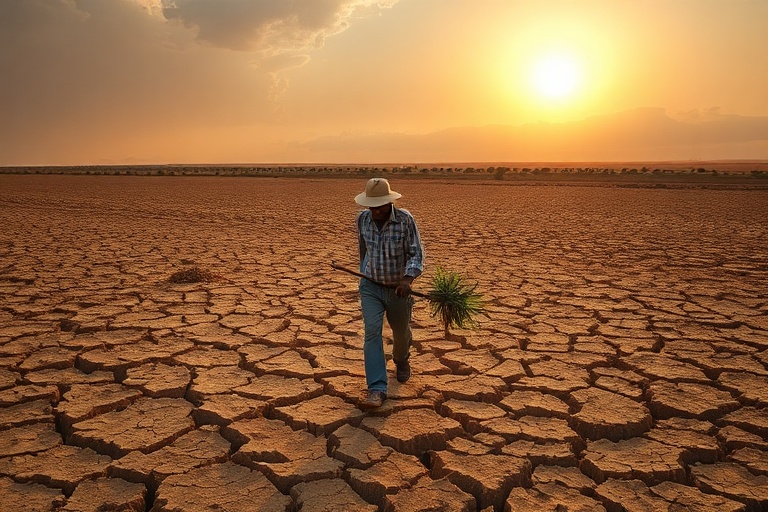
The El Niño–Southern Oscillation, or ENSO, is one of Earth’s most influential climate phenomena. It oscillates between warm (El Niño), cool (La Niña), and neutral phases every two to seven years, altering weather patterns across the globe. From droughts in Australia to floods in Peru, ENSO’s reach extends far beyond the tropical Pacific, where it originates. Its effects ripple through economies, cultures, and ecosystems, making it a critical subject for scientists, policymakers, and communities alike.
Understanding ENSO requires looking beyond the headlines about “extreme weather.” This cycle is part of a larger planetary rhythm, one that has influenced human civilizations for millennia. Indigenous communities in the Pacific Islands, for example, have long recognized its patterns through oral traditions and observational practices. Today, with climate change altering the intensity and frequency of ENSO events, the stakes have never been higher.
The Science Behind the Cycle: What Drives ENSO?
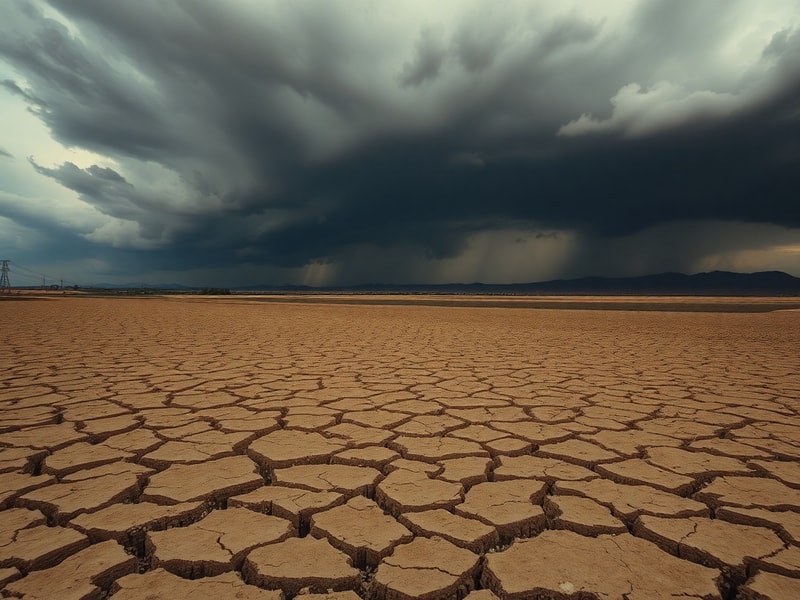
At its core, ENSO is a natural climate phenomenon driven by interactions between the ocean and atmosphere in the tropical Pacific. The cycle has three phases: El Niño, La Niña, and neutral. During El Niño, trade winds weaken, allowing warm water to slosh eastward toward South America. This shift disrupts atmospheric circulation, triggering heavy rainfall in the eastern Pacific and drought in the western Pacific. Conversely, La Niña strengthens trade winds, pushing warm water westward and intensifying rainfall in Australia and Southeast Asia while cooling the eastern Pacific.
The neutral phase acts as a baseline, with trade winds and sea surface temperatures in a state of relative balance. However, even in neutrality, subtle variations can influence global weather. Scientists monitor ENSO using a combination of buoys, satellites, and computer models to predict its phases months in advance. This forecasting is crucial for agriculture, disaster preparedness, and infrastructure planning.
ENSO’s global impact is a result of its ability to alter the jet streams—the fast-moving air currents that steer weather systems. For instance, El Niño typically weakens the Atlantic hurricane season by increasing wind shear, while La Niña can intensify it. These shifts have direct consequences for coastal communities, particularly in regions like the Caribbean, where hurricanes are a perennial threat.
A Global Phenomenon: ENSO’s Far-Reaching Effects
The influence of ENSO extends to every continent, often in ways that defy intuition. In North America, El Niño tends to bring wetter conditions to the southern United States while causing milder winters in the north. La Niña, on the other hand, can lead to drier conditions in the southern U.S. but colder, stormier winters in the north. These patterns have shaped agricultural practices for generations, with farmers planting crops based on ENSO forecasts.
In South America, the impacts are starkly visible. Peru and Ecuador often experience devastating floods during El Niño, while Brazil and Argentina face droughts that cripple soybean and corn harvests. The 2015–2016 El Niño event, one of the strongest on record, caused an estimated $3.6 billion in damages across the region. Meanwhile, in Southeast Asia, La Niña has been linked to catastrophic flooding in Indonesia and Malaysia, displacing millions and disrupting supply chains.
ENSO also plays a role in global food prices. When droughts reduce harvests in major breadbaskets like Australia or Argentina, prices for wheat, soybeans, and rice can spike. This volatility affects everything from local markets in sub-Saharan Africa to supermarket shelves in Europe. For vulnerable communities, these price swings can mean the difference between food security and scarcity.
Cultural and Historical Connections: ENSO in Human History
Long before climate science existed, Indigenous peoples in the Pacific recognized the patterns of ENSO. In Peru, the Moche civilization (100–700 CE) documented El Niño events in pottery and textiles, depicting floods and droughts with striking accuracy. Similarly, the Polynesians, who navigated vast ocean expanses, used environmental cues—like the flowering of certain plants—to predict shifts in weather and ocean currents.
These traditions were not just observational but deeply cultural. In many Pacific Island communities, ENSO is woven into myths and rituals. For example, the Māori of New Zealand associate La Niña with the god Tāwhirimātea, who brings strong winds and storms. These narratives reflect a holistic understanding of nature, where climate and culture are inseparable.
ENSO’s influence also extends to global trade and exploration. During the 19th century, European colonizers in Australia struggled to adapt to El Niño-driven droughts, which devastated crops and livestock. The resulting famines and economic hardships shaped colonial policies and migration patterns. Even the infamous Dust Bowl of the 1930s in the United States has been linked to ENSO-like conditions, exacerbated by poor land management.
The Future of ENSO: Climate Change and Uncertainty
As the planet warms, ENSO’s behavior is becoming less predictable. Some studies suggest that climate change may intensify El Niño events, leading to more extreme weather. Warmer ocean temperatures could fuel stronger storms, while shifting wind patterns might disrupt the cycle’s usual rhythm. However, the science is still evolving, and researchers caution against overgeneralizing.
One thing is clear: ENSO’s impacts will grow more severe as global temperatures rise. Coastal cities must prepare for stronger storms, farmers will need to adapt to shifting growing seasons, and governments will face tough decisions about resource allocation. The 2023 El Niño event, which coincided with record-breaking global temperatures, offered a glimpse of what the future may hold. Heatwaves scorched Europe, floods submerged Pakistan, and droughts parched the Horn of Africa—all while ENSO amplified these extremes.
Adaptation will require collaboration across borders. International organizations like the World Meteorological Organization are working to improve ENSO forecasting and communication. Meanwhile, Indigenous knowledge systems are being integrated into modern climate science, offering valuable insights into resilience and adaptation.
Preparing for the Rhythm of ENSO
ENSO is not a distant scientific concept; it is a living force that shapes our world. From the rice paddies of Indonesia to the vineyards of California, its influence is felt in every corner of the globe. Recognizing this connection is the first step toward building resilience. Whether through improved infrastructure, sustainable agriculture, or community-based early warning systems, societies must adapt to ENSO’s unpredictable dance.
For those interested in tracking ENSO’s progress, resources like the National Oceanic and Atmospheric Administration (NOAA) provide real-time updates. Understanding these patterns empowers individuals and communities to make informed decisions, whether for planting a garden or preparing for a storm.
As climate change reshapes our planet, phenomena like ENSO remind us of nature’s complexity. They challenge us to think beyond borders and disciplines, to see the world as an interconnected system. By studying and respecting these cycles, we can navigate an uncertain future with greater clarity and purpose.