Understanding the Soldier: History, Culture, and Modern Role
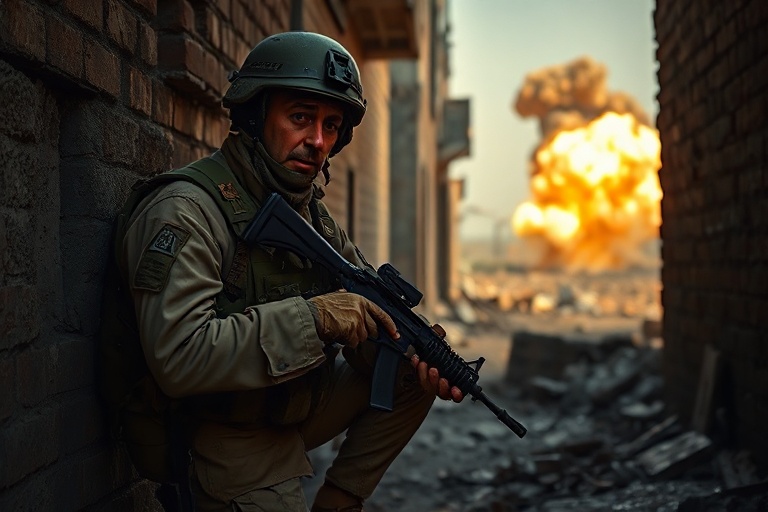
The soldier has long occupied a paradoxical space in human society—as both protector and perpetrator, hero and victim, symbol of sacrifice and instrument of war. Across cultures and centuries, the figure of the soldier has been mythologized, scrutinized, and redefined, reflecting the shifting values of nations and the evolving nature of conflict.
The Historical Evolution of the Soldier
Military historians often trace the professionalization of the soldier to the Renaissance, when European states began training men in disciplined warfare rather than relying solely on feudal levies. The 17th and 18th centuries saw the rise of standing armies, where soldiers transitioned from mercenaries to state-sponsored fighters bound by oath and regulation. This shift coincided with the emergence of national identities, where the soldier became a living emblem of sovereignty and defense.
By the 19th century, the soldier’s role expanded beyond mere combatant. Industrialization enabled mass mobilization, turning armies into vast bureaucratic machines. Wars such as the American Civil War and World War I demonstrated the soldier’s dual burden—fighting for ideals while enduring unimaginable hardship. The trenches of the Great War, in particular, forged a new archetype: the disillusioned veteran, forever marked by the horrors of modern warfare.
Cultural Representations Through Time
The soldier’s image in art, literature, and film has mirrored society’s complex relationship with war. In Homer’s Iliad, warriors like Achilles embody both martial prowess and tragic flaw. Medieval chivalric tales elevated the knight-soldier to near-mythical status, blending honor with brutality. The 20th century, however, brought a darker lens. Novels like Erich Maria Remarque’s All Quiet on the Western Front exposed the dehumanizing effects of war on the individual soldier, stripping away romanticism.
Cinema has played a pivotal role in shaping public perception. Films like Saving Private Ryan and Apocalypse Now oscillate between glorification and critique, portraying soldiers as both victims and agents of violence. These narratives reveal a tension: while societies often demand that soldiers embody selflessness, the reality of war frequently contradicts this ideal.
The Global Soldier: Diversity in Uniform
The archetype of the soldier is not monolithic; it varies dramatically across cultures and geopolitical contexts. In Japan, the soldier is often remembered through the lens of imperial history and post-war pacifism, embodied in institutions like the Self-Defense Forces. Contrast this with the Russian tradition, where the soldier—particularly the World War II veteran—holds near-sacred status, a symbol of national resilience against overwhelming odds.
In the Middle East, the soldier’s identity is frequently intertwined with nationalism and resistance. Groups like the Kurdish Peshmerga or the Israeli Defense Forces frame their fighters as protectors of a homeland under existential threat. Meanwhile, in post-colonial Africa, soldiers have often been both liberators and oppressors, with their roles shifting between revolutionary vanguards and instruments of authoritarian regimes.
Women in Combat: Redefining the Soldier
One of the most significant transformations in modern military history is the integration of women into combat roles. Nations like Canada, Israel, and the United States have gradually opened frontline positions to women, challenging long-held assumptions about physical capability and psychological resilience. While advocates argue that gender integration strengthens military effectiveness, critics point to persistent challenges such as sexual harassment and institutional bias.
Cultural attitudes toward women soldiers vary widely. In Scandinavian countries, female soldiers are increasingly normalized, while in some conservative societies, their participation remains controversial. The debate extends beyond capability to identity: what does it mean for a woman to be a soldier in a world where femininity and martial strength are often seen as opposing ideals?
From Warrior to Veteran: The Soldier’s Afterlife
For many soldiers, the end of service does not mark the end of struggle. The transition to civilian life can be fraught with challenges, from physical disabilities to post-traumatic stress disorder (PTSD). Programs aimed at reintegration, such as the U.S. Department of Veterans Affairs’ mental health initiatives or the UK’s Health and Wellbeing services, underscore the long-term societal obligation to those who served.
Yet, the veteran’s experience is often romanticized in public memory. Memorials like the Vietnam Veterans Memorial in Washington, D.C., or the Cenotaph in London, serve as sites of collective mourning and gratitude. However, these symbols can also obscure the complexities of military service—glossing over the ethical dilemmas, the civilian casualties, and the political decisions that shape a soldier’s life.
The Soldier in the Digital Age
The 21st century has introduced new dimensions to the soldier’s role. Cyber warfare and drone operations have redefined combat, allowing nations to project power without traditional boots on the ground. Soldiers now operate in digital battlefields, where the lines between war and espionage blur. This evolution raises critical questions about accountability, morality, and the psychological toll of remote warfare.
Social media has also transformed the soldier’s public image. Platforms like Instagram and TikTok allow servicemen and women to share their experiences, humanizing military life for global audiences. However, this visibility comes with risks—propaganda, misinformation, and the commodification of military service are ever-present dangers.
Conclusion: The Soldier as Mirror of Society
The soldier remains a potent symbol, reflecting the aspirations, fears, and contradictions of the societies that produce them. Whether celebrated as heroes or scrutinized as perpetrators, soldiers occupy a unique position at the intersection of power, duty, and human frailty. As warfare evolves—from the trenches of the past to the algorithms of the future—the figure of the soldier will continue to adapt, challenging us to confront the moral and ethical dimensions of conflict.
Ultimately, the soldier is not just a fighter but a storyteller, carrying the narratives of war, peace, and survival into the collective consciousness. Their legacy is not merely one of battles won or lost, but of the enduring human struggle to define what it means to serve—and to sacrifice.