Understanding the U.S. Department of Justice: Structure, Role, and Challenges
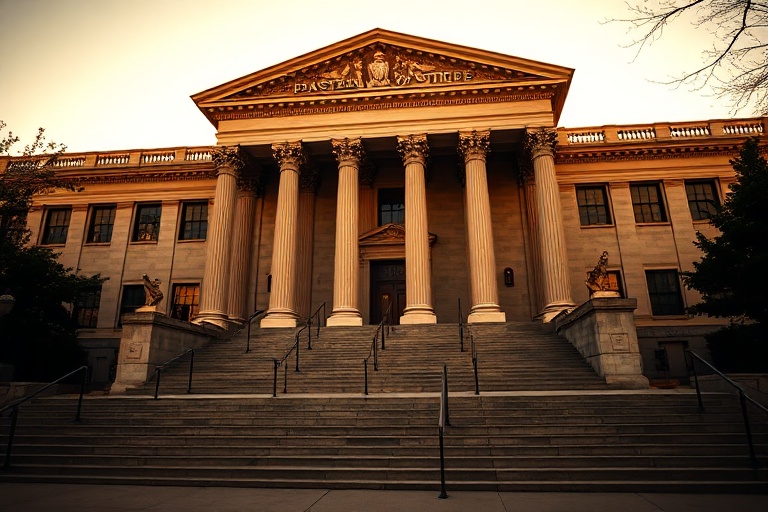
The United States Department of Justice (DOJ) stands as the nation’s principal federal law enforcement agency, tasked with upholding the rule of law and protecting the rights of American citizens. Established in 1870, the DOJ operates under the direction of the Attorney General, who serves as the chief legal officer of the federal government. From prosecuting crimes to defending the United States in court, the DOJ plays a pivotal role in shaping the legal landscape of the country.
Unlike many other federal agencies, the DOJ’s mandate is uniquely broad. It oversees a vast network of offices and divisions, each dedicated to specific aspects of justice, from civil rights enforcement to environmental regulation. The agency’s work intersects with nearly every sector of society, making it one of the most influential institutions in the United States. To understand its full scope, it’s essential to examine its structure, core responsibilities, and the challenges it faces in the modern era.
The DOJ’s Organizational Framework
The Department of Justice is organized into several key components, each with distinct functions. At the top of the hierarchy is the Office of the Attorney General, which includes senior officials who advise the Attorney General on legal matters. Below this are the 94 U.S. Attorneys, who serve as the chief federal prosecutors in their respective judicial districts. These attorneys handle a wide range of cases, from drug trafficking to financial fraud.
The DOJ also includes specialized divisions, such as:
- Criminal Division: Oversees prosecutions of federal crimes, including organized crime, cybercrime, and public corruption.
- Civil Division: Represents the U.S. government in lawsuits involving contracts, constitutional issues, and international disputes.
- Civil Rights Division: Enforces federal laws that prohibit discrimination based on race, religion, gender, or disability.
- Environment and Natural Resources Division: Handles cases related to environmental violations, wildlife protection, and federal land management.
- National Security Division: Focuses on counterterrorism, counterintelligence, and cybersecurity threats.
In addition to these divisions, the DOJ operates several independent agencies, such as the Federal Bureau of Investigation (FBI) and the Drug Enforcement Administration (DEA). While these agencies maintain their own operational structures, they report to the Attorney General, ensuring alignment with the DOJ’s broader mission.
Core Responsibilities and Legal Authority
The DOJ’s responsibilities are as diverse as they are critical. One of its primary roles is to prosecute federal crimes, which range from immigration violations to terrorism. The agency also defends the United States in civil lawsuits, ensuring that federal agencies comply with the law. For example, the DOJ has intervened in cases involving healthcare fraud, environmental violations, and discrimination in public institutions.
Another key function is the enforcement of civil rights laws. The Civil Rights Division investigates and litigates cases involving police misconduct, voting rights violations, and hate crimes. Its work has been instrumental in addressing systemic inequalities, particularly in areas such as education and housing. The DOJ’s efforts in this arena often intersect with broader social justice movements, amplifying its impact beyond the courtroom.
The DOJ also plays a crucial role in international affairs. It collaborates with foreign governments and international organizations to combat transnational crime, including human trafficking and cybercrime. Through initiatives like the Kleptocracy Asset Recovery Initiative, the DOJ targets corrupt officials and financial networks that undermine global stability.
High-Profile Cases and Public Influence
Over the years, the DOJ has been involved in numerous high-profile cases that have shaped public discourse. One such case was the prosecution of Enron executives in the early 2000s, which exposed widespread corporate fraud and led to sweeping reforms in financial regulations. More recently, the DOJ’s investigation into the January 6 Capitol riot underscored its role in addressing domestic extremism and threats to democracy.
The DOJ’s actions in these cases often spark debate about the balance between justice and accountability. For instance, critics argue that some prosecutions disproportionately target marginalized communities, while advocates praise the DOJ for holding powerful individuals and institutions accountable. The agency’s decisions in cases involving police brutality, such as its investigation into the Minneapolis Police Department, have also drawn national attention.
In addition to criminal prosecutions, the DOJ’s civil actions have far-reaching consequences. Its lawsuit against opioid manufacturers, for example, sought to hold companies accountable for their role in the nation’s addiction crisis. The settlement, which totaled billions of dollars, aimed to fund addiction treatment and prevention programs across the country.
Challenges and Criticisms
Despite its critical role, the DOJ faces significant challenges. One of the most pressing is the politicization of its leadership. Attorneys General are political appointees, and their tenure often aligns with the administration in power. This can lead to perceptions of bias, particularly when the DOJ’s actions appear to favor one political party over another. For example, the DOJ’s handling of investigations into former President Donald Trump’s administration has been a source of contention.
Another challenge is resource allocation. The DOJ’s budget exceeds $30 billion annually, yet it must prioritize cases amid competing demands. Cybercrime, white-collar crime, and civil rights violations all compete for attention, forcing the agency to make difficult choices about where to focus its efforts.
The DOJ also grapples with public trust. High-profile cases that result in acquittals or lenient sentences can erode confidence in the justice system. For instance, the acquittal of officers in cases like the shooting of Breonna Taylor has led to protests and calls for reform. The DOJ’s response to such incidents often determines whether the public views it as an impartial enforcer of the law or as an extension of systemic inequities.
To address these challenges, the DOJ has implemented reforms aimed at increasing transparency and accountability. Initiatives like the body-worn camera program for federal law enforcement officers and the expansion of community policing efforts reflect its commitment to rebuilding trust. However, the agency’s ability to adapt to evolving threats—such as the rise of digital currencies in illicit activities—remains an ongoing struggle.
The DOJ’s Role in Modern Society
As society evolves, so too does the DOJ’s role. The agency has increasingly focused on technology-related crimes, including ransomware attacks and online fraud. Its Cybersecurity Unit works with private companies and international partners to combat cyber threats, recognizing that digital crime poses one of the greatest risks to national security.
The DOJ also plays a key role in addressing the opioid epidemic. Through its Opioid Enforcement and Supply Reduction Strategy, the agency targets drug trafficking organizations and advocates for evidence-based treatment programs. Its efforts have contributed to a decline in opioid-related deaths in some regions, though the crisis remains a national priority.
In the realm of civil rights, the DOJ continues to advocate for marginalized communities. Its work in protecting voting rights, for instance, has become even more critical in the wake of restrictive state laws. The agency’s legal challenges to these laws aim to ensure that all citizens can participate in the democratic process without undue barriers.
For those interested in exploring the DOJ’s work further, Dave’s Locker’s Politics category offers in-depth analysis of legal and governmental issues. Additionally, Dave’s Locker’s News section provides updates on the DOJ’s most recent actions and their implications for the public.
Conclusion
The United States Department of Justice remains a cornerstone of the nation’s legal system, balancing the enforcement of laws with the protection of civil rights. Its work spans a vast array of responsibilities, from prosecuting criminals to defending the government in court. However, the DOJ’s effectiveness is often scrutinized, particularly in an era of heightened political divisions and evolving threats.
As the DOJ navigates these challenges, its ability to uphold justice while adapting to new realities will determine its legacy. For citizens, understanding the DOJ’s role is essential—not only to appreciate its impact but also to hold it accountable. Whether through high-profile prosecutions or quiet legal reforms, the agency’s actions shape the fabric of American society. In the end, the DOJ’s true measure lies in its commitment to fairness, transparency, and the enduring principles of justice.