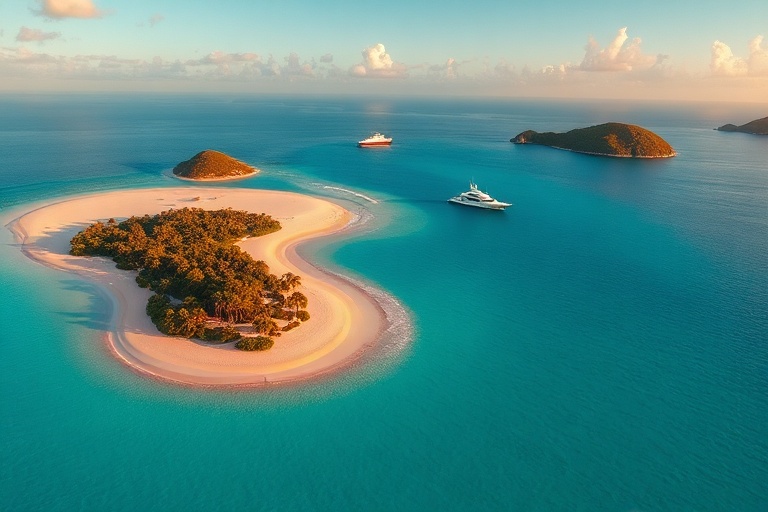
The Virgin Islands: A Cultural Crossroads in the Caribbean
The Virgin Islands, a cluster of islands in the Caribbean Sea, have long been a melting pot of cultures, histories, and natural wonders. Divided between the British and U.S. territories, these islands offer more than just pristine beaches and turquoise waters. They are a testament to resilience, diversity, and the enduring legacy of colonialism and trade. Understanding the Virgin Islands means looking beyond the postcard-perfect scenery to see the complex layers of their past and present.
The Historical Tapestry of the Virgin Islands
The Virgin Islands’ history is as rich as it is turbulent. Originally inhabited by the Arawak and Carib peoples, the islands became a focal point for European powers in the 17th century. The Dutch, English, French, Spanish, and Danish all vied for control, leaving behind architectural ruins, linguistic influences, and cultural traditions that persist today.
The Danish West India Company established settlements on St. Thomas, St. John, and St. Croix in the early 1600s, and these islands remained under Danish rule until 1917, when the U.S. purchased them for strategic military reasons during World War I. This transfer shifted the islands’ economic and political trajectory, embedding them firmly within the American sphere while maintaining their Caribbean identity.
Slavery played a devastating role in the islands’ development, with sugar plantations driving the economy until the mid-19th century. The abolition of slavery in 1848 marked a turning point, leading to labor shortages and economic decline. By the 20th century, tourism emerged as the dominant industry, reshaping the islands’ social and economic landscape.
Cultural Diversity and Modern Identity
The Virgin Islands today are a vibrant blend of African, European, and Caribbean influences. This diversity is reflected in the islands’ music, cuisine, festivals, and daily life. The sounds of calypso, reggae, and quelbe—a traditional folk music native to the U.S. Virgin Islands—fill the air, while dishes like saltfish and fungi (a cornmeal-based side) tell the story of colonial culinary fusion.
St. Croix, the largest of the U.S. Virgin Islands, is particularly notable for its cultural richness. The island hosts the annual St. Croix International Regatta and the Crucian Christmas Festival, which celebrates emancipation with parades, music, and food. Meanwhile, St. Thomas, with its bustling Charlotte Amalie harbor, reflects the islands’ role as a historic trading hub.
The British Virgin Islands, though smaller, are no less culturally significant. Tortola, the largest island, is home to the Callwood Rum Distillery, one of the oldest in the world, while the capital, Road Town, offers a mix of British colonial architecture and modern Caribbean flair. The islands’ legal status as a British Overseas Territory also means they operate under a different political system, adding another layer to their unique identity.
Economic Realities Beyond Tourism
Tourism dominates the Virgin Islands’ economy, accounting for a significant portion of GDP. The islands’ natural beauty, including Virgin Islands National Park on St. John and the bioluminescent bays of Vieques and Culebra (though technically part of Puerto Rico), draws millions of visitors annually. However, this reliance on tourism has both benefits and drawbacks.
On one hand, tourism fuels employment and infrastructure development. On the other, it creates vulnerability to global crises, as seen during the COVID-19 pandemic when visitor numbers plummeted. Seasonal fluctuations and the environmental impact of mass tourism also pose challenges. Efforts to diversify the economy are underway, with growing interest in sustainable agriculture, renewable energy, and eco-tourism.
For example, the U.S. Virgin Islands has been investing in solar energy projects to reduce its dependence on imported fuel. Meanwhile, local entrepreneurs are promoting agrotourism, encouraging visitors to explore the islands’ farms and learn about traditional farming practices. These initiatives aim to create a more balanced and resilient economy.
The Virgin Islands in a Changing Climate
The Virgin Islands are on the front lines of climate change. Rising sea levels, stronger hurricanes, and coral bleaching threaten the islands’ ecosystems and way of life. The 2017 hurricanes Irma and Maria caused catastrophic damage, particularly in the British Virgin Islands, where entire communities were left without power or clean water for months.
Efforts to adapt to these challenges are underway. Conservation organizations are working to restore coral reefs and protect mangroves, which act as natural barriers against storm surges. Meanwhile, local governments are implementing building codes and zoning laws to make infrastructure more resilient. Community-led initiatives, such as the Virgin Islands Conservation Society’s reforestation projects, are also gaining traction.
The broader implications of climate change in the Virgin Islands extend beyond environmental concerns. The islands’ cultural heritage is at risk, as historic sites and traditional ways of life are threatened by rising waters and extreme weather. Preserving this heritage will require not only physical adaptation but also a commitment to sustainable development and community engagement.
Key Takeaways About the Virgin Islands
The Virgin Islands are more than just a tropical escape. They are a dynamic region with a complex history, a rich cultural tapestry, and pressing modern challenges. Here are some key points to consider:
- Colonial Legacy: The islands’ history is shaped by European colonization, slavery, and trade, leaving a lasting impact on their culture and society.
- Cultural Fusion: The Virgin Islands are a blend of African, European, and Caribbean influences, reflected in their music, food, and festivals.
- Economic Dependence: Tourism is the primary economic driver, but efforts are underway to diversify and build resilience against global shocks.
- Climate Vulnerability: The islands face significant threats from climate change, requiring adaptation and conservation efforts to protect their future.
- Community Resilience: Local initiatives and grassroots movements are playing a crucial role in preserving culture and driving sustainable development.
The Virgin Islands remind us that paradise is not just a place but a story—a story of survival, adaptation, and the enduring power of community. As the world grapples with climate change and globalization, the islands offer valuable lessons in resilience and cultural preservation.
For those interested in exploring the Virgin Islands beyond the tourist brochures, a deeper dive into their history, culture, and challenges reveals a region that is as complex as it is captivating. Whether it’s the rhythmic beats of a quelbe band in St. Croix or the quiet resilience of a community rebuilding after a hurricane, the Virgin Islands continue to shape their own narrative in the Caribbean and beyond.
To learn more about the cultural and historical contexts of the Virgin Islands, explore our Culture and Travel sections on Dave’s Locker. These resources offer additional insights into the regions and topics discussed in this article.
Conclusion
The Virgin Islands stand at a crossroads of history, culture, and environmental change. Their story is one of adaptation and resilience, of a people who have faced colonialism, slavery, economic shifts, and natural disasters with determination. Today, they are not just a destination but a symbol of the broader challenges and opportunities facing small island nations worldwide.
As tourism continues to evolve and climate change reshapes the Caribbean, the Virgin Islands face critical decisions about their future. Will they double down on unsustainable growth, or will they lead the way in sustainable tourism and climate adaptation? The answer will shape not only the islands’ destiny but also the lessons they offer to the rest of the world.
One thing is certain: the Virgin Islands’ story is far from over. It is a narrative still being written by the people who call these islands home, and it is a story worth paying attention to.