Virgin Islands Travel Guide: Discover Caribbean Paradise Beyond the Usual
Discover the hidden gems and cultural richness of the Virgin Islands, where tourism meets authenticity.
Geography and Diversity of the Virgin Islands
The Virgin Islands archipelago stretches across the Caribbean Sea, divided into two distinct political regions: the U.S. Virgin Islands (USVI) and the British Virgin Islands (BVI). This division creates a fascinating contrast in governance, culture, and tourism infrastructure. The USVI consists of St. Thomas, St. John, and St. Croix, while the BVI includes Tortola, Virgin Gorda, Anegada, and Jost Van Dyke, among others.
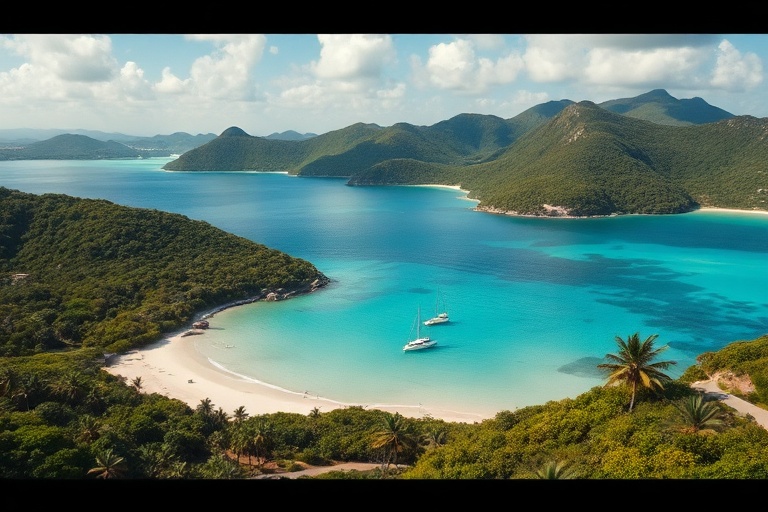
The islands boast diverse landscapes—from the lush, mountainous terrain of St. John and Tortola to the flat, coral-based islands like Anegada. This variety provides travelers with options ranging from rugged hiking trails to serene white-sand beaches. The volcanic origins of some islands contribute to unique geological features, such as the Baths on Virgin Gorda, where massive granite boulders form natural caves and pools.
Key Islands and Their Unique Appeal
- St. John (USVI): Over 60% of the island is protected as part of the Virgin Islands National Park, offering pristine beaches like Trunk Bay and opportunities for snorkeling and hiking.
- Tortola (BVI): The largest of the BVI islands, Tortola is known for its dramatic coastline, luxury resorts, and vibrant capital, Road Town.
- Anegada (BVI): Famous for its coral sand beaches and the rare Anegada rock iguana, this island offers a tranquil escape from more tourist-heavy destinations.
- St. Thomas (USVI): A hub for cruise ships, this island blends historic charm in Charlotte Amalie with modern amenities and duty-free shopping.
Cultural Richness and Historical Context
The Virgin Islands’ history is a tapestry woven from indigenous Taíno heritage, European colonization, African slave trade, and later, American influence. The islands were originally inhabited by the Taíno people before being claimed by Spain, then later settled by the Dutch, English, French, and Danes. Danish rule over the USVI lasted until 1917, when the islands were purchased by the United States.
This layered history is evident in the islands’ architecture, cuisine, and festivals. For example, the annual Carnival celebrations in St. Thomas and St. Croix blend African rhythms with European traditions, featuring colorful parades, steelpan bands, and local delicacies like fungi (a cornmeal-based dish) and saltfish. The islands’ music scene is equally diverse, with genres like quelbe (the official folk music of the USVI) and reggae in the BVI reflecting the cultural fusion of the region.
Preserving Heritage in a Modern World
Efforts to preserve the Virgin Islands’ cultural identity are ongoing, particularly as tourism continues to grow. Local artisans, historians, and community leaders work to maintain traditions through museums, workshops, and festivals. The Culture section on Dave’s Locker highlights how these traditions are celebrated and adapted for contemporary audiences.
Meanwhile, the BVI’s commitment to sustainable tourism is reflected in initiatives like the Travel guidelines that encourage visitors to respect local ecosystems and support eco-friendly businesses. This balance between preservation and progress is a model for other Caribbean destinations facing similar challenges.
Tourism Trends and Economic Impact
Tourism is the lifeblood of the Virgin Islands’ economy, contributing significantly to employment and infrastructure development. In 2023, the USVI welcomed over 2.5 million visitors, while the BVI saw approximately 1.2 million. However, the industry faces evolving challenges, particularly in the wake of hurricanes Irma and Maria in 2017, which caused widespread damage and disrupted tourism for years.
Recovery efforts have focused on rebuilding resilient infrastructure and promoting sustainable tourism. The USVI, for instance, has invested in renewable energy projects to reduce reliance on imported fuel, while the BVI has prioritized reef restoration and waste management programs. These initiatives not only benefit the environment but also attract eco-conscious travelers willing to pay premium prices for responsible vacations.
Emerging Trends in Virgin Islands Tourism
- Yacht Charters and Sailing: The BVI is a global hotspot for bareboat charters, with its protected waters and well-marked mooring fields. Companies like The Moorings and Sunsail cater to both novices and seasoned sailors.
- Cultural Immersion Experiences: Travelers are increasingly seeking authentic interactions, such as cooking classes with local chefs or guided tours of historic plantations like Estate Whim in St. Croix.
- Digital Nomad Visas: Both the USVI and BVI have introduced remote work programs, allowing visitors to stay longer while contributing to the local economy. St. John, in particular, has become a haven for digital nomads thanks to its reliable internet and coworking spaces.
- Adventure Tourism: From paddleboarding in the mangroves of St. John to hiking the Sage Mountain National Park in Tortola, the islands offer a range of adrenaline-fueled activities for outdoor enthusiasts.
Environmental Challenges and Conservation Efforts
The Virgin Islands’ natural beauty is both a draw for tourists and a fragile ecosystem under threat from climate change, overdevelopment, and pollution. Rising sea levels and more frequent hurricanes pose existential risks to low-lying islands like Anegada, while coral bleaching events threaten marine biodiversity. The region’s coral reefs, which support over 500 species of fish and provide natural storm barriers, are particularly vulnerable.
In response, conservation organizations and local governments have launched initiatives to protect the islands’ natural resources. The USVI’s Coral Reef Initiative, for example, focuses on restoring damaged reefs and educating the public about sustainable diving practices. Similarly, the BVI’s “Save Our Seas” campaign encourages businesses and residents to reduce single-use plastics and participate in beach cleanups.
The Role of Visitors in Sustainable Tourism
Tourists play a crucial role in preserving the Virgin Islands’ environment. Simple actions, such as using reef-safe sunscreen, avoiding single-use plastics, and supporting businesses with eco-certifications, can make a significant difference. The Travel section on Dave’s Locker offers practical tips for minimizing your environmental footprint while exploring the islands.
Moreover, the rise of voluntourism—where travelers combine vacation with volunteer work—has created new opportunities for hands-on conservation. Programs like the Coral Reef Monitoring Project in the BVI allow visitors to assist marine biologists in data collection and reef restoration efforts, fostering a deeper connection to the islands’ ecosystems.
Conclusion: Why the Virgin Islands Remain a Must-Visit Destination
The Virgin Islands offer more than just postcard-perfect beaches and turquoise waters. They provide a window into a rich cultural heritage, a model for sustainable tourism, and a chance to engage with nature in meaningful ways. Whether you’re seeking adventure, relaxation, or a deeper understanding of Caribbean history, these islands deliver an experience that transcends typical tourist destinations.
As the world becomes increasingly connected, the Virgin Islands remind us of the importance of preserving local traditions and protecting fragile ecosystems. By traveling responsibly and supporting community-led initiatives, visitors can help ensure that these paradises remain vibrant for generations to come.