Why the Strait of Hormuz Remains the World’s Most Dangerous Chokepoint
The Strait of Hormuz: A Global Flashpoint in Iran’s Shadow War
The Strait of Hormuz remains one of the most strategically vital—and volatile—waterways on Earth. Connecting the Persian Gulf to the Gulf of Oman, this narrow passage sees roughly 20% of the world’s oil supply pass through its waters daily. For Iran, which borders the strait, its control is both a national security imperative and a lever of geopolitical pressure. Recent years have seen a steady escalation in tensions, with incidents ranging from drone strikes to tanker seizures, all underlining how deeply this region’s stability is tied to Iran’s broader military and political ambitions.
This conflict is not isolated. It reflects a broader pattern of proxy engagements, cyber warfare, and asymmetric tactics that Iran has refined since the 1979 revolution. The Strait of Hormuz isn’t just a geographic choke point; it’s a psychological one, where the mere threat of closure can sway global markets and diplomatic negotiations alike. To understand its significance, we must look beyond the headlines and examine the historical, economic, and cultural layers that make this region so combustible.
The Historical Roots of a Modern Crisis
Tensions around the Strait of Hormuz date back centuries, rooted in imperial rivalries and territorial disputes. The 1980–1988 Iran-Iraq War saw the first major military confrontations in the strait, as Iraq attempted to block Iranian oil exports. But the modern crisis truly took shape after the U.S. withdrawal from the Iran nuclear deal in 2018 and the reimposition of sanctions. Iran responded with a calculated campaign of pressure, targeting not just American interests but also those of its regional allies, including Saudi Arabia and the United Arab Emirates.
The 2019 attacks on Saudi Aramco facilities and the 2021 seizure of a South Korean tanker in the strait were not isolated acts of piracy. They were deliberate messages, signaling Iran’s ability—and willingness—to disrupt global energy flows. These actions were framed within a doctrine of “forward defense,” where Iran projects power beyond its borders to deter direct conflict while asserting regional dominance. It’s a strategy steeped in the legacy of the Iran-Iraq War, where survival often depended on outmaneuvering a stronger adversary.
Economic Ripples Across Continents
The Strait of Hormuz is more than a military concern; it’s an economic linchpin. A closure, even temporary, would send shockwaves through oil markets, driving prices upward and straining economies still recovering from the pandemic. In 2021, the U.S. Energy Information Administration estimated that 21 million barrels of crude oil passed through the strait daily. That volume represents nearly a quarter of global oil consumption, making any disruption a potential catalyst for global recession.
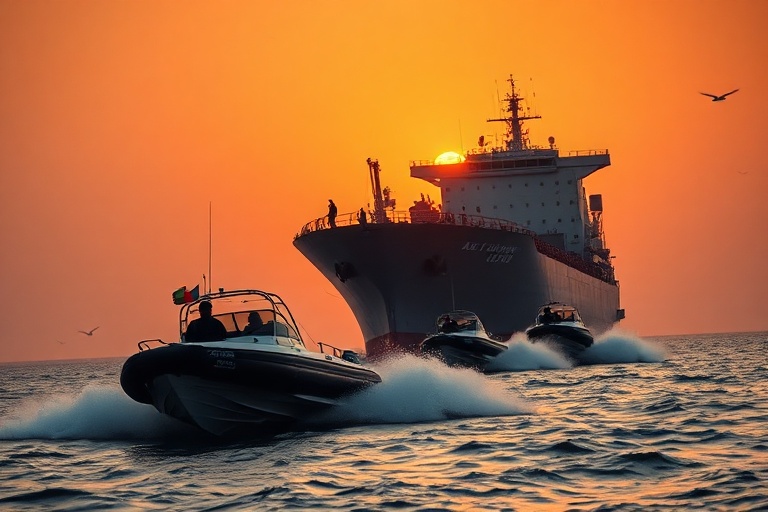
For nations like China and India, which rely heavily on Middle Eastern oil, the strait is a lifeline. But their dependence comes with a cost: vulnerability. Iran has exploited this by targeting tankers with ties to countries that support sanctions or rival regional powers. The 2023 seizure of a Portuguese-flagged tanker, for example, was seen as a warning to European nations considering stricter enforcement of oil embargoes. These incidents underscore how Iran weaponizes maritime trade not just as a military tactic, but as a form of economic coercion.
Even the insurance industry has taken notice. The risk of navigating the strait has led some insurers to hike premiums or exclude coverage entirely, forcing shipping companies to weigh the cost of passage against alternative routes. The Suez Canal, though longer, has become a safer—but pricier—option for many operators. This shift reflects a broader trend: the Strait of Hormuz is no longer just a transit point; it’s a bargaining chip in a high-stakes game of economic brinkmanship.
Cultural and Geopolitical Echoes
The conflict in the Strait of Hormuz is also a cultural narrative, one that shapes how Iran views itself and how the world perceives it. For many Iranians, the strait is a symbol of resilience against foreign domination, a theme that resonates deeply in a country with a history of colonial interference. State media often frames Iran’s actions as defensive, a response to what it calls “economic warfare” by the West. This narrative is reinforced through education, art, and public discourse, creating a collective identity that views confrontation not as aggression, but as survival.
Internationally, the strait has become a proxy for broader ideological battles. The U.S. and its allies frame Iran’s actions as destabilizing, pointing to its support for groups like Hezbollah and the Houthis as evidence of a expansionist agenda. Meanwhile, Iran and its allies—such as Russia and China—portray these tensions as the result of unchecked American hegemony. The United Nations has repeatedly called for de-escalation, but resolutions often fall short due to vetoes from permanent Security Council members with competing interests.
Culturally, the strait’s significance extends beyond geopolitics. It is a site of historical trade routes, linking the Indian Ocean to the Mediterranean, and a cradle of civilizations from Persia to Arabia. Today, it is also a stage for modern power plays, where ancient grudges and contemporary ambitions collide. The region’s diverse populations—Persian, Arab, Baloch, and others—navigate this tension daily, their lives shaped by the ebb and flow of political currents.
What’s Next for the Strait?
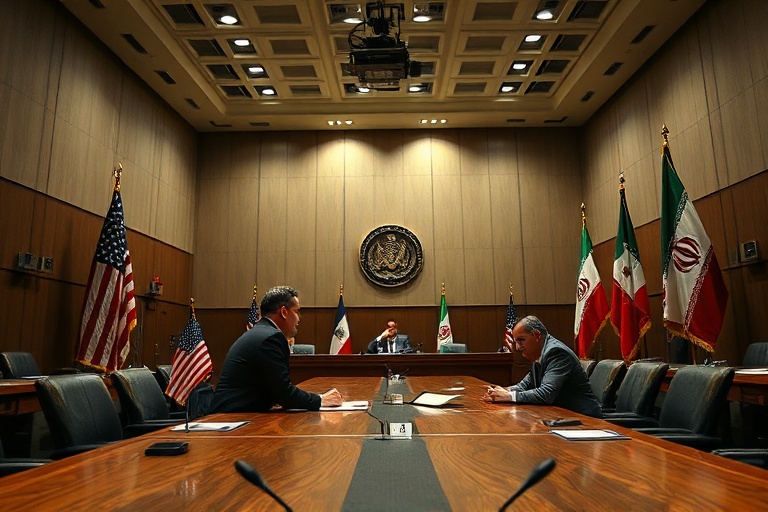
The future of the Strait of Hormuz remains uncertain, hinging on several key factors. Diplomatic efforts, such as the 2023 talks in Doha, have yielded little progress, but they highlight the international community’s growing concern. Meanwhile, Iran’s nuclear program continues to cast a shadow over negotiations, with many fearing that a new crisis could erupt if diplomacy fails.
Militarily, the U.S. has maintained a strong naval presence in the region, conducting joint exercises with Gulf allies to deter aggression. But this approach is not without risk. A miscalculation or accidental escalation could spiral into a full-blown conflict, with devastating consequences for global stability. Iran, meanwhile, has invested in asymmetric capabilities—fast-attack boats, drones, and cyber tools—designed to exploit weaknesses in conventional militaries.
For shipping companies, the strait remains a necessary but perilous route. Many have adopted “go/no-go” protocols, consulting intelligence reports and regional advisories before deciding whether to transit. Insurance markets continue to adjust, pricing in the risk of delay or attack. And in capitals from Washington to Beijing, policymakers grapple with the same question: How do you deter aggression without provoking it?
The Strait of Hormuz is more than a geographic feature; it’s a microcosm of the challenges facing the modern world. In an era of shifting alliances and rising tensions, it serves as a reminder that power is not just measured in missiles and sanctions, but in the control of critical infrastructure. For now, the strait remains open—but its future depends on whether the world can find a way to coexist with the forces that threaten to close it.
For those interested in the broader context of Middle Eastern conflicts, our Politics section offers deeper analysis on regional dynamics. To understand how these tensions intersect with global energy markets, explore our Business coverage, where we break down the economic stakes of geopolitical flashpoints.