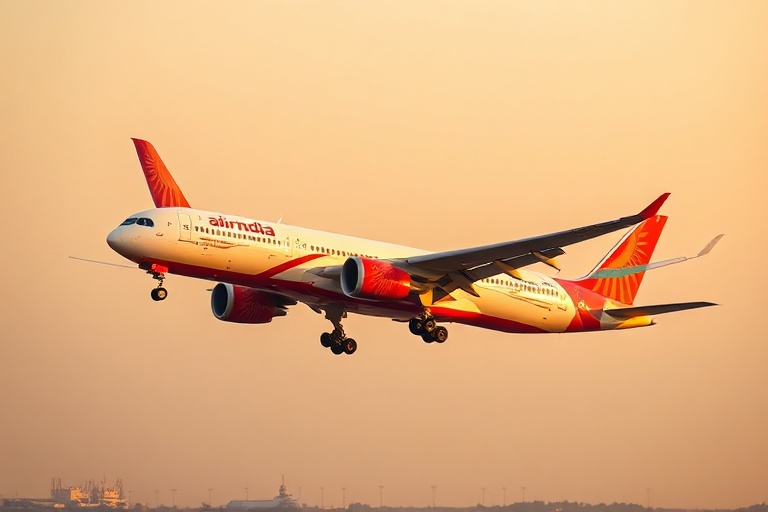
Air India’s Revival: Can Tata’s Strategy Save the Flagship Carrier?
Air India stands at a pivotal moment in its history. Once a symbol of national pride, the airline has faced decades of financial turbulence, shifting ownership, and inconsistent performance. Today, under new management and with a bold transformation plan, it aims to reclaim its position as a global aviation leader. Yet, the path forward is fraught with operational hurdles, competitive pressures, and the lingering shadows of past failures.
The Evolution of Air India: From Flagship Carrier to Turnaround Story
Founded in 1932 by J.R.D. Tata as Tata Airlines, Air India became India’s first international airline in 1948. For decades, it served as the country’s flagship carrier, embodying national identity and prestige. However, by the late 20th century, the airline had become a financial burden—plagued by bloated staffing, outdated infrastructure, and fierce competition from private carriers like Jet Airways and IndiGo.
In 2007, the Indian government merged Air India with Indian Airlines to form the National Aviation Company of India Limited (NACIL). The move was intended to streamline operations, but instead, it compounded problems. By 2011, Air India was posting losses of over ₹50 billion annually. The government responded with repeated bailouts, injecting billions in capital while attempting to restructure debt and reduce workforce costs.
The airline’s fortunes began to shift in 2022 when the Tata Group—originally the founders of Air India—reacquired the carrier through a strategic disinvestment process. Under Tata’s ownership, Air India launched an ambitious five-year transformation plan aimed at revitalizing the brand, modernizing the fleet, and restoring profitability.
Key Pillars of Air India’s Revival Strategy
Air India’s turnaround is built on several strategic pillars, each designed to address long-standing weaknesses while positioning the airline for future growth. The most visible of these is fleet modernization—a move that has already begun reshaping its operational capabilities.
- Fleet Renewal: Air India has placed orders for 470 new aircraft, including 250 from Airbus and 220 from Boeing, making it one of the largest aircraft procurement deals in aviation history. The new planes—including the Airbus A350 and Boeing 787 Dreamliner—promise better fuel efficiency, lower maintenance costs, and enhanced passenger comfort.
- Route Optimization: The airline is reconfiguring its international and domestic networks to focus on high-demand routes, particularly in North America and Europe. It has also announced plans to launch new services to cities like Seattle, Cape Town, and Milan.
- Service Excellence: Under Tata’s leadership, Air India is investing heavily in customer experience, including improved in-flight entertainment, upgraded lounges, and enhanced training for cabin crew. The airline has also introduced a new loyalty program, Tata Neu+, to compete with established players like IndiGo’s 6E Rewards.
- Cost Rationalization: To improve financial sustainability, Air India has undertaken aggressive cost-cutting measures, including workforce restructuring, renegotiated supplier contracts, and a focus on aircraft utilization rates.
The scale of this transformation is unprecedented in Indian aviation. Yet, execution remains a significant challenge. Integrating a fleet of this size while maintaining service standards demands meticulous planning and execution—areas where Air India has historically struggled.
The Broader Implications for Indian Aviation
Air India’s revival is not just about one airline; it reflects broader trends in India’s aviation sector. With domestic air travel demand expected to double by 2030, the country is poised to become the world’s third-largest aviation market. This growth presents both opportunities and challenges for existing and new players.
On one hand, Air India’s expansion could help India reduce its reliance on foreign carriers for international travel. Currently, over 60% of outbound Indian passengers fly with airlines like Emirates, Qatar Airways, or Singapore Airlines. Strengthening Air India’s global network could shift some of this traffic back to Indian carriers, keeping revenue and employment within the country.
On the other hand, the airline’s aggressive expansion risks oversaturating certain markets, particularly in the Middle East and Southeast Asia, where competition is fierce. Additionally, the financial burden of fleet modernization and operational restructuring could weigh heavily on the Tata Group, especially if global economic conditions deteriorate.
There are also questions about the long-term sustainability of Air India’s business model. The airline industry is notoriously cyclical, with profitability hinging on fuel prices, exchange rates, and geopolitical stability. While Tata’s deep pockets provide a buffer, the airline must demonstrate consistent profitability to justify continued investment.
Challenges and Criticisms on the Road Ahead
Despite its ambitious plans, Air India faces several obstacles that could derail its revival. One of the most pressing is the integration of its new fleet. Managing the delivery, training, and maintenance of 470 aircraft over a short period is a logistical nightmare. Delays or mismanagement could lead to operational disruptions, stranded passengers, and reputational damage.
Another concern is labor relations. Air India has a history of strained relationships with its workforce, marked by strikes and disputes over wages and working conditions. While Tata has taken steps to address these issues—including voluntary retirement schemes and new employment contracts—lingering tensions could disrupt operations.
There are also concerns about the airline’s focus on international expansion at the expense of domestic connectivity. India’s domestic market is the world’s fastest-growing, and neglecting this segment could allow competitors like IndiGo and Vistara to dominate key routes.
Finally, the global aviation industry is facing headwinds, from rising fuel prices to geopolitical tensions. A prolonged recession or energy crisis could dampen travel demand, making it harder for Air India to achieve its financial targets.
A New Chapter or Repeat of the Past?
Air India’s story is one of resilience and reinvention. The Tata Group’s involvement has injected fresh energy into the airline, but the road to recovery is long and uncertain. Success will depend not only on the execution of its strategic plan but also on external factors beyond its control.
For India, the stakes are high. A revitalized Air India could become a symbol of the country’s economic ambitions, a bridge connecting its growing middle class to the world. But if the airline stumbles, it risks becoming a cautionary tale about the limits of state-led privatization and the challenges of reviving a once-great brand.
As Air India prepares to take delivery of its first Airbus A350 in 2025, the world will be watching closely. Will this be the beginning of a new era for Indian aviation, or just another chapter in a long history of missed opportunities? Only time will tell.
One thing is certain: the airline industry is unforgiving, and the margin for error is razor-thin. For Air India, the journey to redemption has only just begun.
For more insights into India’s evolving aviation landscape, visit our Travel section. To explore how global aviation trends are shaping regional carriers, check out our News category.