Chelsea Flower Show: Global Trends and Horticultural Innovation
The Chelsea Flower Show: A Global Celebration of Horticulture and Design
The Royal Horticultural Society’s Chelsea Flower Show, held annually on the grounds of the Royal Hospital Chelsea in London, stands as one of the most prestigious events in the world of gardening and landscape design. Since its inception in 1913, the show has grown from a modest exhibition into a global showcase where horticultural innovation meets artistic expression. Each May, the show attracts over 160,000 visitors from more than 30 countries, uniting garden enthusiasts, landscape architects, and international media under one green roof.
The event’s influence extends far beyond the United Kingdom. It serves as a cultural bridge, introducing new plant varieties and garden design philosophies to diverse audiences worldwide. From the minimalist gardens of Scandinavia to the lush tropical displays of Southeast Asia, Chelsea reflects a global conversation about nature, sustainability, and human connection to the environment. For many international participants, the show represents both a professional milestone and a platform for cultural exchange.
The Historical Roots and Evolution of Chelsea
Founded by the Royal Horticultural Society (RHS) in response to the growing popularity of flower shows in early 20th-century Britain, the Chelsea Flower Show began as a small event with just 240 exhibitors. Over the decades, it evolved alongside changes in society, technology, and environmental awareness. The show was suspended during both World Wars but resumed with renewed energy in the postwar era, symbolizing rebirth and renewal.
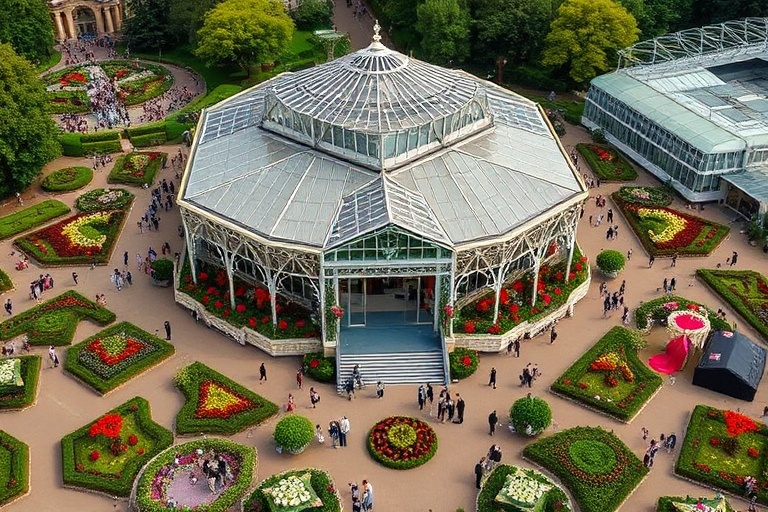
By the 1960s, Chelsea had become a fixture of the British social calendar, attended by royalty, celebrities, and gardeners alike. The introduction of the Great Pavilion—one of the largest temporary glasshouses in the world—allowed for year-round experimentation with exotic and tender plants, pushing the boundaries of what could be grown in temperate climates. Today, the show is a living archive of horticultural progress, featuring plants that may one day become staples in gardens from Tokyo to Toronto.
Design Trends That Shape the Global Garden
Chelsea is not just about flowers; it is a laboratory for garden design. Each year, the show introduces trends that ripple across continents, influencing everything from urban balconies to public parks. One of the most enduring themes in recent years has been the integration of sustainability into garden design. From rainwater harvesting systems to wildlife-friendly planting schemes, Chelsea gardens increasingly reflect ecological responsibility.
Another prominent trend is the fusion of technology with nature. Smart irrigation systems, solar-powered lighting, and even AI-driven plant care tools have made their debut in show gardens, signaling a shift toward intelligent, responsive landscapes. Meanwhile, the concept of “edible gardens” has gained traction, with chefs and gardeners collaborating to create spaces that are both beautiful and productive.
Visitors to Chelsea can expect to see a diverse range of styles, including:
- Urban oases: Compact, high-density gardens designed for city dwellers, often incorporating vertical planting and multi-functional furniture.
- Wildlife havens: Native plant schemes that prioritize biodiversity, supporting pollinators and local ecosystems.
- Cultural narratives: Gardens inspired by heritage, folklore, or global traditions, such as Japanese Zen gardens or Mediterranean courtyard designs.
- Artistic installations: Sculptural plantings and immersive environments that blur the line between garden and gallery.
The International Impact: From London to the World
The Chelsea Flower Show acts as a cultural exporter, with many of its ideas and innovations finding new homes around the world. Countries like Japan, Singapore, and the United Arab Emirates have sent pavilions and gardens to Chelsea, using the platform to showcase their own horticultural traditions and environmental initiatives. In return, British gardeners and designers return from Chelsea with fresh inspiration, often adapting international techniques to local climates.
For example, the 2023 Gold Medal-winning “Reclaiming Roots” garden, created by a team from Kenya, highlighted indigenous plants and sustainable water management—concepts now being adopted in drought-prone regions of Australia and the southwestern United States. Similarly, the rise of “prairie-style” planting, inspired by North American wildflower meadows, has become a popular choice in European urban landscapes.
Beyond design, Chelsea serves as a meeting point for global horticultural businesses. Seed companies, tool manufacturers, and landscaping firms from across Europe, Asia, and the Americas showcase their latest products, fostering collaboration and competition. The show’s international trade days attract buyers and investors, making it a key event for the global green industry.
Why Chelsea Matters in an Age of Climate Change
As climate change reshapes growing seasons and threatens biodiversity, the Chelsea Flower Show takes on added significance. Many of this year’s gardens addressed pressing environmental challenges, such as soil degradation and extreme weather resilience. One standout was the “Carbon Capture Garden,” which demonstrated how plants and fungi can work together to sequester carbon in soil—an approach being studied by scientists and policymakers worldwide.
Public engagement is another cornerstone of Chelsea’s mission. Through workshops, talks, and interactive exhibits, the show educates visitors on how small changes in their own gardens can contribute to larger environmental goals. Whether it’s reducing plastic use, conserving water, or supporting endangered species, the lessons from Chelsea extend from the showgrounds into backyards and community spaces globally.
A Lasting Legacy of Beauty and Innovation
The Chelsea Flower Show endures because it evolves. It balances tradition with innovation, nostalgia with futurism, and local identity with global exchange. For over a century, it has been a stage where nature and human creativity perform in harmony. Beyond the medals and media coverage, its true success lies in its ability to inspire a deeper connection to the natural world—one plant, one garden, one community at a time.
For those unable to attend in person, the show’s digital footprint continues to grow. Virtual tours, live-streamed talks, and online plant sales ensure that Chelsea’s influence reaches every corner of the globe. Whether you’re a seasoned gardener or a curious newcomer, the Chelsea Flower Show offers a reminder that beauty and resilience can—and must—grow together.
To explore more about sustainable gardening practices inspired by global horticultural events, visit our Culture section. For insights into how landscape design intersects with urban planning, check out our Technology category.