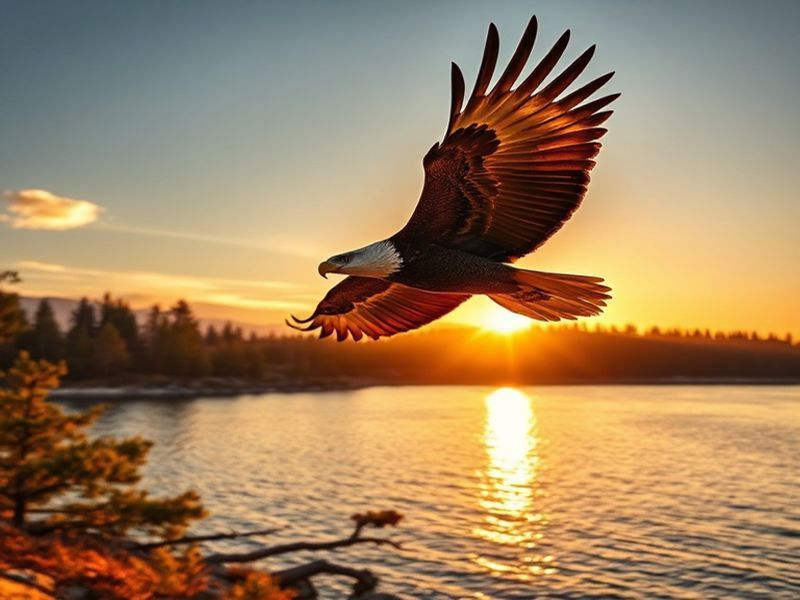
Bald Eagles Return to Big Bear: A Wildlife Comeback Story
“`html
Bald Eagles in Big Bear: A Closer Look at California’s Feathered Royalty
The rugged peaks of the San Bernardino Mountains cradle Big Bear Lake, a serene alpine retreat in Southern California. Amidst the pine forests and clear blue waters, an unexpected visitor has become a symbol of resilience and natural wonder: the bald eagle. Once nearly extinct in the Golden State, these majestic birds have made a remarkable comeback, with Big Bear Lake emerging as a key habitat in their recovery.
The presence of bald eagles in Big Bear is more than just a seasonal spectacle. It reflects decades of conservation efforts, ecological shifts, and the delicate balance between human recreation and wildlife preservation. For birdwatchers, photographers, and nature enthusiasts, the sight of a bald eagle soaring above Big Bear Lake is a reminder of nature’s capacity for renewal.
The Return of a Native Icon
Bald eagles (Haliaeetus leucocephalus) were once widespread across North America, but by the mid-20th century, their populations had plummeted due to habitat loss, hunting, and the widespread use of the pesticide DDT. In California, the birds were nearly wiped out, with only a handful of nesting pairs remaining by the 1960s. The ban on DDT in 1972 marked a turning point, and with it, conservationists began reintroducing bald eagles to their historic habitats.
Big Bear Lake, with its cold, fish-rich waters and undisturbed shorelines, became an ideal location for these reintroductions. The first successful nesting in the area was recorded in the late 1980s, and since then, the population has steadily grown. Today, Big Bear Lake is one of the few places in Southern California where bald eagles can be seen year-round, though their presence is most pronounced from late fall to early spring.
Visitors to Big Bear often ask why these birds choose this particular location. The answer lies in the lake’s ecosystem. The lake is stocked with trout and other fish, providing a reliable food source. The surrounding forests offer secluded nesting sites, far from human activity. Additionally, the lake’s elevation—about 6,700 feet—mirrors the cold, mountainous habitats bald eagles prefer in other parts of their range.
Seasonal Patterns: When to Spot a Bald Eagle in Big Bear
While bald eagles can be observed in Big Bear at any time of year, their activity peaks during the winter months. From November to March, the lake becomes a wintering ground for both resident and migratory bald eagles. During this period, the number of eagles in the area can swell to a dozen or more, creating prime opportunities for wildlife enthusiasts.
The best times to observe these birds are early in the morning or late in the afternoon, when they are most active in hunting and foraging. Bald eagles are opportunistic feeders, and their diet in Big Bear primarily consists of fish, though they will also scavenge for carrion or steal prey from other birds. Their hunting technique is a sight to behold—diving at high speeds to snatch fish from the water with their powerful talons.
For those eager to catch a glimpse, here are a few tips:
- Bring binoculars or a spotting scope: Bald eagles can be spotted from a distance, but a good pair of optics will enhance your viewing experience.
- Visit key locations: Areas like the Big Bear Valley, the north shore of the lake, and the Stanfield Marsh Wildlife Area are known hotspots for eagle sightings.
- Stay quiet and patient: Bald eagles are easily spooked by loud noises or sudden movements. A calm demeanor increases your chances of a sighting.
- Join a guided tour: Local organizations, such as the Wildlife Tours category on Dave’s Locker, often host eagle-watching excursions led by knowledgeable guides.
Conservation Efforts: Protecting Big Bear’s Bald Eagles
The resurgence of bald eagles in Big Bear is a testament to the power of conservation. However, their continued presence is not guaranteed. Habitat loss, climate change, and human interference remain ongoing threats. To ensure the survival of these birds, local organizations and government agencies have implemented several protective measures.
One of the most critical steps has been the establishment of protected zones around nesting sites. These areas are off-limits to boats, drones, and human activity during the breeding season, which typically runs from January to July. Nesting pairs are particularly vulnerable to disturbance, and even a single disruption can lead to nest abandonment.
Another focus of conservation efforts is habitat restoration. Projects like the removal of invasive plant species and the planting of native trees help maintain the ecological balance that bald eagles rely on. Additionally, community education programs aim to raise awareness about the importance of preserving these birds and their environment.
The success of these efforts is evident in Big Bear’s growing eagle population. In 2022, biologists recorded a record number of nesting pairs in the region, with several fledglings taking their first flights. These milestones are celebrated as signs of a thriving ecosystem, but they also serve as a reminder that vigilance is necessary to sustain this progress.
The Role of Local Communities and Tourism
Big Bear’s bald eagles are not just a wildlife success story; they are also an economic asset. Birdwatching and ecotourism have become significant draws for the region, attracting visitors from across the country. Local businesses, from lodges to outfitters, have embraced this trend, offering eagle-themed tours, photography workshops, and educational programs.
However, the influx of visitors poses its own challenges. Increased foot traffic near nesting sites can disrupt the birds, and littering or improper waste disposal can harm their food sources. To mitigate these risks, the town of Big Bear Lake has implemented guidelines for responsible wildlife viewing. These include maintaining a safe distance from nesting areas and adhering to “Leave No Trace” principles.
Residents and business owners have also played a crucial role in eagle conservation. Many have volunteered for nest monitoring programs, reporting sightings to local wildlife agencies. Others have installed educational signs along trails, helping visitors understand the importance of protecting these birds. This sense of community stewardship is a driving force behind Big Bear’s conservation success.
Photographing Big Bear’s Bald Eagles: Tips for Capturing the Perfect Shot
For photographers, Big Bear’s bald eagles offer a rare opportunity to capture images of one of North America’s most iconic birds in a stunning natural setting. Whether you’re a seasoned professional or an amateur with a smartphone, there are a few key techniques to keep in mind.
First, invest in the right equipment. A telephoto lens with a focal length of at least 300mm is ideal for capturing detailed shots of eagles in flight or perched in trees. A tripod can also help stabilize your camera, especially in low-light conditions or when using a heavy lens.
Timing is everything. As mentioned earlier, early mornings and late afternoons provide the best lighting and eagle activity. Overcast days can also yield dramatic images, as the diffused light reduces harsh shadows. Avoid shooting in the middle of the day, when the bright sunlight can wash out details and create unflattering contrasts.
Composition is another critical element. Frame your shot to include the eagle’s surroundings, such as the lake, mountains, or trees. This not only provides context but also adds depth to your image. Be patient and wait for the eagle to turn its head or spread its wings—these moments often result in the most striking photos.
Finally, respect the birds and their habitat. Never disturb a nesting pair or use bait to lure an eagle closer. The goal is to capture their natural behavior without causing them stress. If you’re unsure about the ethics of a particular shot, consult local wildlife agencies or join a guided photography tour, such as those offered in the Outdoor Adventures category on Dave’s Locker.
Looking Ahead: The Future of Bald Eagles in Big Bear
The future of bald eagles in Big Bear is bright, but it is not without challenges. Climate change, in particular, poses a significant threat. Rising temperatures and prolonged droughts can reduce fish populations, forcing eagles to travel farther in search of food. Additionally, increased wildfire activity in the region could destroy nesting habitats and disrupt breeding cycles.
To address these challenges, conservationists are exploring innovative solutions. One approach is the creation of artificial nesting platforms, which can provide safer alternatives to natural nests that may be vulnerable to fire or predation. Another strategy is the establishment of wildlife corridors, which allow eagles to move between habitats as conditions change.
The community’s commitment to conservation will be equally vital. Continued education, responsible tourism, and active participation in monitoring programs will ensure that Big Bear remains a haven for bald eagles. For now, these magnificent birds continue to grace the skies above Big Bear Lake, a symbol of nature’s resilience and the enduring power of conservation.
The story of bald eagles in Big Bear is far from over. It is a story of recovery, adaptation, and the delicate interplay between humans and wildlife. As visitors flock to the lake to catch a glimpse of these feathered royalty, they are not just witnessing a natural phenomenon—they are part of a larger narrative of hope and renewal.