A Comprehensive Overview of TSA Airport Security
Understanding TSA Airport Security: A Comprehensive Overview
The Transportation Security Administration (TSA) plays a pivotal role in ensuring the safety and security of air travel in the United States. Established in the aftermath of the September 11 attacks, the TSA implements a range of security measures designed to protect passengers and prevent threats to aviation. This article delves into the various aspects of TSA airport security, its implications for travelers, and the ongoing evolution of security protocols.
Key Components of TSA Security Measures
Airport security involves several layers of processes that all aim to enhance traveler safety. TSA employs technology, personnel training, and protocols to ensure a secure environment at airports. Some of the most notable components include:
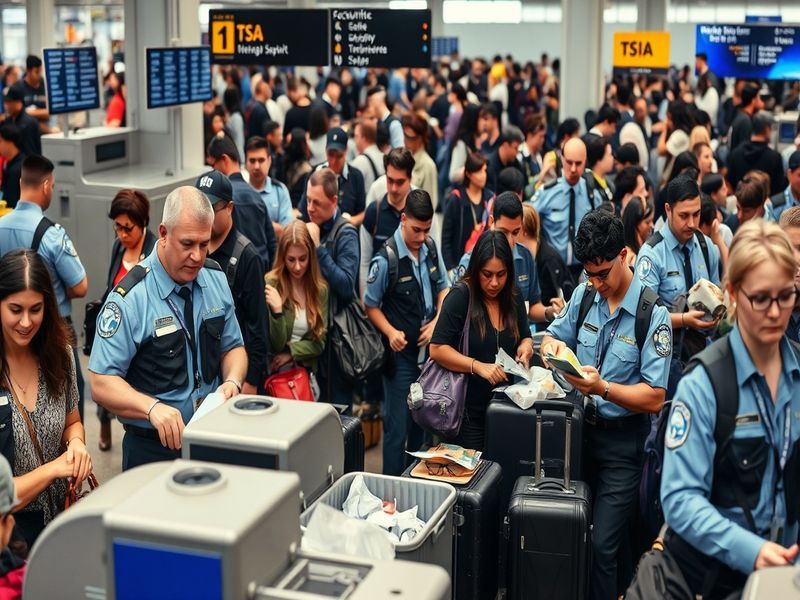
- Screening Procedures: Passengers and their belongings must undergo screening via metal detectors and X-ray machines.
- Identification Verification: TSA agents verify passenger identification to ensure that those boarding flights are who they claim to be.
- Behavior Detection: Trained personnel observe passenger behavior to identify potential threats based on unusual actions.
- Explosives Detection: Advanced technology, including explosive trace detection, is utilized to identify possible threats.
- Random Checks: Some passengers may be subject to additional screening at random to enhance security unpredictability.
Impact on Travel Experience
While TSA’s security measures are essential for safeguarding air travel, they can also affect the traveler experience significantly. Long lines, stringent regulations, and the need to arrive at airports earlier than before often lead to frustration among passengers.
Travelers must comply with a range of regulations, including the 3-1-1 rule regarding liquids and gels, which dictates that liquids must be in containers of 3.4 ounces or less and all must fit in a single quart-sized bag. These restrictions can be inconvenient, but they are designed to mitigate potential risks.
Moreover, the psychological impact of heightened security cannot be overlooked. As travelers navigate through various checkpoints, the awareness of potential threats may cause stress and anxiety. This reality underscores the importance of balancing security measures with the need for a smooth travel experience.
The Evolution of TSA Protocols
The TSA continually adapts its protocols to address emerging threats and incorporate advancements in technology. After the introduction of full-body scanners, for instance, the agency shifted some focus from traditional screening methods. These scanners have sparked discussions regarding privacy and their effectiveness in detecting threats.
Furthermore, the TSA PreCheck program has emerged as a response to the need for expedited screening for low-risk travelers. This program allows eligible passengers to undergo a less invasive screening process, which can significantly reduce wait times. The program has gained popularity, reflecting a broader trend towards personalized travel experiences.
Broader Implications of TSA Security Measures
The implications of TSA airport security extend beyond individual travel experiences. The effectiveness of these measures influences public perception of safety in air travel, which can affect the aviation industry as a whole. A heightened sense of security can encourage more people to fly, while perceived vulnerabilities may deter potential travelers.
Additionally, international collaboration on aviation security has grown increasingly important. Countries share intelligence and best practices to enhance their security measures, creating a more unified front against threats. This cooperation is crucial, as the nature of aviation threats often transcends national boundaries.
As technology continues to evolve, the TSA faces the challenge of integrating new tools and methods while respecting passenger rights and privacy. The balance between security and convenience will remain a critical issue for the agency as it navigates the complexities of modern air travel.
In conclusion, TSA airport security is a multifaceted system that affects both the safety of air travel and the experiences of passengers. As the agency adapts to new challenges and technologies, ongoing dialogue about its practices will be essential. By understanding these dynamics, travelers can better prepare for their journeys while remaining informed about the measures in place to protect them.
For more insights into travel-related topics, visit our Travel category or explore our News section for the latest updates.