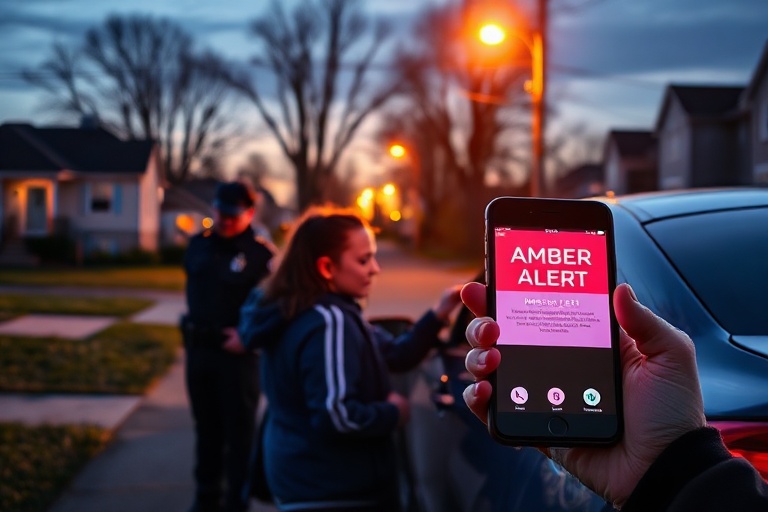
Amber Alerts: How They Work and What to Do When a Child Goes Missing
Amber Alerts represent one of the most critical emergency notification systems in the United States, designed to mobilize communities when a child has been abducted. These alerts appear on phones, radios, highway signs, and even streaming services, creating an immediate call to action. But how exactly do they function, and what should you do if you receive one?
The system traces its origins to 1996, following the kidnapping and murder of 9-year-old Amber Hagerman in Arlington, Texas. Her case inspired legislative action, leading to the creation of the AMBER (America’s Missing: Broadcast Emergency Response) Alert program. Today, all 50 states, the District of Columbia, and Puerto Rico have implemented their own versions, coordinated through the National Center for Missing & Exploited Children (NCMEC).
How an Amber Alert Is Triggered
Not every missing child case qualifies for an Amber Alert. Strict criteria must be met to avoid overwhelming the public with unnecessary notifications. According to the U.S. Department of Justice, the following conditions typically apply:
- The child must be under 18 years of age.
- The abduction must be confirmed by law enforcement.
- The child must be in imminent danger of serious bodily harm or death.
- There must be sufficient descriptive information about the child, abductor, or vehicle to assist in the search.
Once these conditions are verified, local law enforcement contacts the state’s Amber Alert coordinator, who then works with broadcasters, transportation agencies, and wireless emergency alert systems to disseminate the alert. The process is designed to be rapid, often reaching millions within minutes.
What to Do If You Receive an Amber Alert
Receiving an Amber Alert can be jarring, especially if the incident occurs nearby. The first step is to remain calm and assess the details provided. The alert will include key information such as the child’s age, physical description, the suspected abductor’s name or description, and any vehicle involved—often including license plate numbers or state identifiers.
If you spot the child or suspect the abductor, do not approach them directly. Personal safety is paramount. Instead, call 911 immediately and provide as much detail as possible, including your location and the direction of travel if observed. Law enforcement agencies emphasize that even small details—like a partial license plate or a distinctive vehicle color—can significantly aid the investigation.
It’s also important to avoid sharing unverified information on social media. While community vigilance is encouraged, spreading rumors can hinder official efforts and cause unnecessary panic. Trusted sources like local news outlets, the NCMEC website, and official law enforcement social media accounts are the best places to verify updates.
The Broader Impact of Amber Alerts on Public Safety
The Amber Alert system has saved hundreds of children since its inception. According to the NCMEC, over 1,000 children have been successfully recovered as a direct result of these alerts. However, the system is not without criticism. Some argue that the alerts can lead to desensitization, with the public becoming less responsive over time due to the frequency of notifications. Others point out that Amber Alerts are not equally distributed across all demographics, with some communities receiving fewer alerts despite higher rates of child abduction.
Technology has expanded the reach of Amber Alerts beyond traditional media. Wireless Emergency Alerts (WEA) now push notifications directly to mobile phones, ensuring that even those without access to radio or television receive critical updates. Social media platforms like Facebook, Twitter, and even gaming services like Twitch have integrated Amber Alert broadcasts, further increasing visibility.
Yet, challenges remain. Rural areas may face delays in receiving alerts due to limited cell service or broadcast infrastructure. Additionally, the criteria for issuing an alert can sometimes exclude cases where children are considered “runaways” or “family abductions,” which still pose significant risks. Advocates continue to push for reforms to ensure the system serves all children in danger.
How Communities Can Support Amber Alert Efforts
Public participation is a cornerstone of the Amber Alert system’s success. Beyond simply responding to alerts, communities can take proactive steps to support child safety initiatives. Schools, for example, often conduct safety drills and educate students on what to do if they feel threatened. Neighborhood watch programs can collaborate with local law enforcement to monitor areas prone to abductions.
Technology also plays a growing role. Apps like Citizen and Nextdoor allow users to share real-time safety alerts and suspicious activity reports with neighbors. These platforms can complement official Amber Alerts by providing additional layers of community awareness.
Another critical area is education. Teaching children about personal safety—such as the importance of not accepting rides from strangers and knowing how to contact emergency services—can prevent abductions before they occur. Programs like the NCMEC’s “Take 25” campaign offer resources for parents and educators to discuss safety in age-appropriate ways.
Looking Ahead: The Future of Amber Alerts
The Amber Alert system continues to evolve alongside technological advancements. The integration of artificial intelligence and machine learning could help predict high-risk abduction scenarios, allowing authorities to issue alerts proactively. Additionally, international cooperation is improving, with countries sharing best practices to combat cross-border child abductions.
However, the system’s effectiveness ultimately depends on public engagement. While technology accelerates the dissemination of alerts, human vigilance remains the most powerful tool in recovering missing children. By staying informed, responding responsibly, and supporting local safety initiatives, communities can play a direct role in protecting vulnerable children.
As Amber Hagerman’s legacy reminds us, every second counts in a child abduction case. Amber Alerts provide a lifeline—one that requires both swift action and sustained community commitment to fulfill its promise.