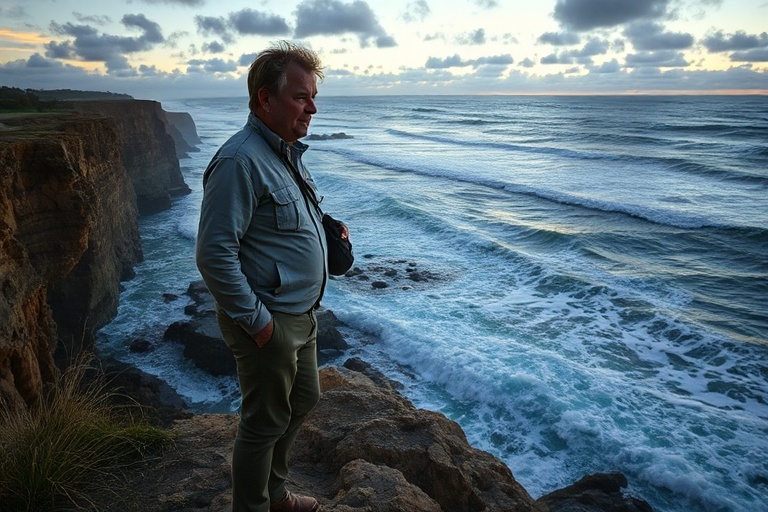
Andrew Lewin’s Podcast: How Environmental Storytelling is Changing the Game
Andrew Lewin isn’t just another voice in the crowded space of environmental podcasts. His show, Speaking of the Environment, has carved out a distinct niche by blending rigorous science with compelling narrative techniques. Unlike traditional environmental media, which often leans heavily on doom-and-gloom scenarios, Lewin’s approach focuses on solutions, human stories, and accessible explanations of complex issues.
The podcast’s rise isn’t accidental. It reflects a growing demand for media that doesn’t just inform but also empowers listeners to take meaningful action. Lewin’s ability to distill scientific research into digestible episodes has attracted a loyal following among professionals, students, and environmentally conscious individuals alike. His work underscores a broader shift in how environmental issues are communicated to the public.
The Origins of a Unique Voice in Environmental Media
Lewin’s journey into environmental storytelling began with a background in marine biology. His academic training provided a strong foundation, but it was his frustration with the lack of engaging environmental content that led him to launch his podcast in 2019. Initially, he envisioned a platform to discuss marine conservation, but the show quickly expanded to cover a wide range of environmental topics, from climate policy to sustainable agriculture.
What sets Lewin apart is his commitment to storytelling. He doesn’t just interview experts—he crafts narratives that make abstract concepts tangible. For example, an episode on ocean acidification might begin with a personal anecdote about Lewin’s time spent diving in coral reefs, then transition into an interview with a leading researcher. This technique keeps listeners engaged while ensuring the science remains accurate and relevant.
Key Milestones in Lewin’s Career
- 2019: Launched Speaking of the Environment with a focus on marine conservation.
- 2020: Expanded the podcast’s scope to include broader environmental issues, growing the audience significantly.
- 2021: Collaborated with academic institutions to feature cutting-edge research in accessible formats.
- 2022: Launched a Patreon page to fund independent journalism and exclusive content for supporters.
- 2023: Partnered with Dave’s Locker News to cross-promote episodes and reach a wider audience.
Lewin’s growth mirrors the evolution of environmental media itself. As climate change becomes an increasingly urgent topic, audiences are seeking sources they can trust—sources that combine authority with approachability. His podcast fills that gap by making science both credible and compelling.
Why Andrew Lewin’s Approach Resonates with Modern Audiences
In an era where misinformation spreads rapidly, Lewin’s emphasis on evidence-based storytelling is refreshing. His episodes often feature peer-reviewed studies, interviews with scientists, and real-world examples of environmental solutions. This commitment to accuracy has earned him a reputation as a trustworthy voice in the environmental space.
Another factor in his success is his ability to highlight underreported stories. While mainstream media often fixates on high-profile disasters like oil spills or wildfires, Lewin dedicates episodes to lesser-known but equally critical issues, such as the decline of pollinators or the impact of microplastics on freshwater ecosystems. This focus on overlooked topics has broadened his appeal beyond traditional environmentalists.
Lewin also leverages social media effectively. Clips from his podcast are widely shared on platforms like Twitter and LinkedIn, where they spark discussions about sustainability and policy. His engagement with listeners—through Q&A sessions and community events—further strengthens his connection with the audience.
The Broader Impact of Lewin’s Work on Environmental Discourse
Lewin’s podcast is part of a larger movement to democratize environmental knowledge. By making complex topics accessible, he’s helping to bridge the gap between scientists and the general public. This is crucial at a time when public understanding of environmental issues can directly influence policy decisions and corporate practices.
His work also highlights the role of independent media in holding institutions accountable. Unlike corporate-owned news outlets, Lewin’s podcast operates with editorial independence, allowing him to tackle controversial subjects without commercial pressure. This freedom is essential for fostering honest conversations about environmental challenges.
Moreover, Lewin’s focus on solutions-oriented content aligns with a growing trend in environmental media. Audiences are increasingly tired of narratives that offer no hope. By featuring innovators and activists who are making tangible progress, Lewin’s podcast inspires listeners to believe that change is possible.
Lessons from Lewin’s Success
- Authenticity matters: Lewin’s genuine passion for environmental issues shines through in his work, creating a strong connection with listeners.
- Storytelling is power: By framing science within human narratives, he makes complex topics relatable and engaging.
- Accessibility is key: His ability to simplify jargon without sacrificing accuracy has broadened his audience.
- Community engagement drives growth: Lewin’s interaction with listeners fosters loyalty and encourages word-of-mouth promotion.
These principles aren’t just relevant to podcasting—they’re applicable to any form of media aiming to educate and inspire. Lewin’s approach serves as a blueprint for how to communicate complex issues in a way that resonates with modern audiences.
Looking Ahead: The Future of Environmental Storytelling
As environmental challenges grow more urgent, the demand for credible, engaging media will only increase. Lewin’s podcast is well-positioned to meet this demand, but his work also raises important questions about the future of environmental communication. How can more voices like his be amplified? What role should independent media play in shaping public discourse?
One potential avenue for growth is collaboration. Lewin has already partnered with organizations like Dave’s Locker Analysis to expand his reach, but there’s room for more cross-platform initiatives. Imagine a series of podcasts, documentaries, and interactive tools that collectively tell the story of environmental progress. Such collaborations could create a more cohesive and impactful movement.
Another opportunity lies in leveraging emerging technologies. Virtual reality, for instance, could allow listeners to experience the effects of climate change firsthand, deepening their emotional connection to the issues. Lewin’s willingness to experiment with new formats suggests he’s open to these possibilities.
Ultimately, Andrew Lewin’s success is a testament to the power of thoughtful, solution-oriented storytelling. In a media landscape often dominated by sensationalism and division, his work offers a refreshing alternative. It reminds us that environmental issues aren’t just about problems—they’re about people, innovation, and the possibility of a better future.
For anyone interested in environmental media, Lewin’s podcast is a must-listen. It’s not just about learning; it’s about being inspired to take action. And in the fight against climate change, that inspiration might be the most valuable resource of all.