Published on
The Bahamas has lifted a controversial two-day alcohol ban that left tourists and locals alike scrambling for alternatives. The restriction, which began on a Friday and ended the following Sunday, was implemented without immediate explanation, creating confusion and frustration across the island nation’s hospitality sector.
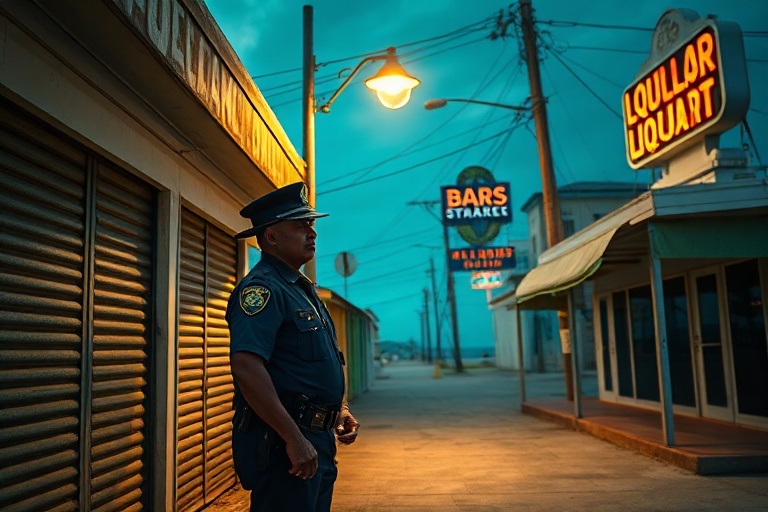
Government officials later attributed the ban to a public safety measure following reports of increased alcohol-related incidents in Nassau and Freeport. While the exact number of incidents was not disclosed, authorities stated that the temporary prohibition aimed to reduce disturbances during a period of heightened tourism activity.
Timeline of the Ban and Its Immediate Impact
The alcohol ban took effect at 6:00 PM on a Friday and was lifted at 6:00 PM the following Sunday. During this 48-hour window, bars, restaurants, and liquor stores were ordered to stop selling alcoholic beverages. The restriction applied to all types of alcohol, including beer, wine, and spirits.
Tourists who had planned beach parties, rum tastings, or sunset cocktail cruises found themselves scrambling to adjust. One traveler from New York told Dave’s Locker, “We had a private boat booked for Sunday afternoon. We had to cancel and settle for a coffee shop instead.”
The ban also disrupted local businesses. A survey conducted by the Bahamas Hotel and Tourism Association revealed that 68% of hospitality operators reported financial losses due to the restriction. Resorts near Cable Beach and Paradise Island reported a 20% drop in bar revenue over the weekend.
Conflicting Messages and Public Reaction
Confusion arose when conflicting statements were issued by different government agencies. The Ministry of Tourism initially denied knowledge of any alcohol ban, only to later confirm it as a public safety initiative. Local media outlets described the situation as “poorly communicated,” with many residents and visitors expressing frustration over the lack of transparency.
Social media buzzed with reactions under hashtags like #BahamasBan and #WhereIsTheRum. Some users joked about smuggling alcohol in suitcases, while others criticized the government for targeting tourism, a sector that contributes over 50% to the country’s GDP.
Local musician and entrepreneur Kareem Johnson posted, “This ban hurts our economy and our reputation. We’re known for our rum and parties—this sends the wrong message.”
Long-Term Implications for Tourism and Policy
The Bahamas has long relied on tourism, welcoming nearly seven million visitors annually. Alcohol sales play a major role in this economy, with rum punch and Bahamian beer being cultural staples. Officials have not yet indicated whether similar bans could recur, but industry leaders are calling for clearer guidelines.
In response, the Bahamas Hotel and Tourism Association has requested a formal meeting with the Ministry of Tourism to discuss preventive measures that don’t disrupt visitor experiences. “We support safety, but we must balance it with tourism,” said association president Latoya Cartwright.
Economic and Social Considerations
The ban highlights broader challenges in balancing public safety with economic interests. While alcohol-related incidents had risen in recent weeks, critics argue that a blanket ban is an extreme response. Alternative solutions, such as stricter licensing hours or increased police presence, were suggested but not adopted.
Data from the Royal Bahamas Police Force showed a 15% increase in alcohol-fueled altercations during the same period the previous year. However, no official correlation was made between this trend and the ban’s implementation.
The tourism sector, already recovering from the pandemic, cannot afford prolonged disruptions. Cruise lines and resorts have invested heavily in marketing campaigns emphasizing “island vibes” and “sun, sand, and rum.” A sudden policy shift risks undermining these efforts.
What Visitors Should Know Before Traveling
For those planning trips to the Bahamas, the recent alcohol ban serves as a reminder to stay informed about local regulations. While the two-day restriction has ended, visitors are advised to check official tourism websites or contact their accommodations before assuming alcohol service is available.
Here’s what travelers should keep in mind:
- Check official sources: The Bahamas Ministry of Tourism and local news outlets provide real-time updates on any restrictions.
- Confirm with resorts: Many all-inclusive resorts have their own liquor licenses and may continue serving alcohol even during temporary bans.
- Explore non-alcoholic options: The Bahamas offers a rich culinary scene, with tropical juices, fresh coconut water, and local sodas like Sky Juice (a creamy beverage without alcohol).
- Respect local customs: While alcohol is widely enjoyed, public intoxication and disorderly conduct can lead to fines or arrest.
Looking Ahead: Policy and Public Trust
The government has pledged to improve communication in future public safety measures. Tourism Minister I. Chester Cooper stated, “We are reviewing our protocols to ensure clarity and minimize disruption.”
Whether this incident will lead to long-term changes in alcohol regulation remains uncertain. What is clear is that the Bahamas cannot afford to alienate visitors who contribute billions to its economy each year. The recent ban may have been short-lived, but its impact on perception and policy could linger.
For now, the islands are back to normal—rum punch flowing, beach bars open, and tourists once again raising glasses to the sunset. But the episode serves as a cautionary tale about the delicate balance between safety and hospitality.
Have you traveled to the Bahamas during a similar restriction? Share your experience in the comments or tag @DavesLockerTravel on social media.