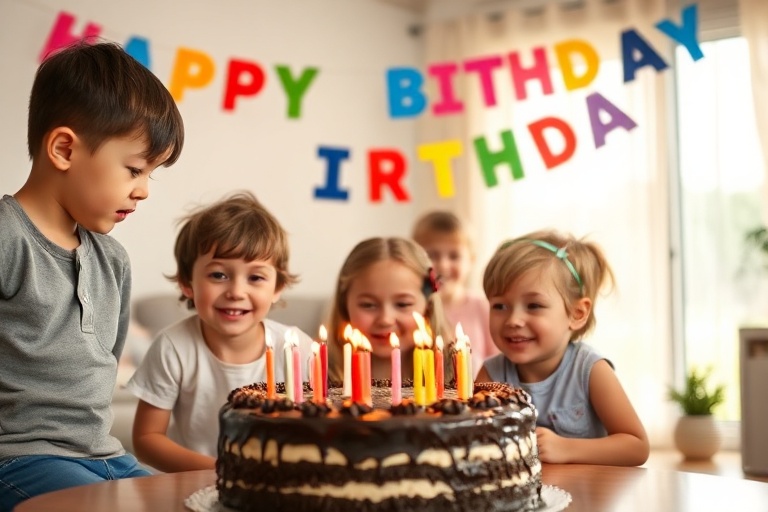
Birthdays mark the passage of time with a personal milestone. Each year on the anniversary of someone’s birth, communities gather to acknowledge growth, survival, and shared joy. More than mere calendar dates, these occasions weave together ancient customs, contemporary pressures, and evolving social expectations. The way people celebrate birthdays today reflects a blend of cultural heritage, commercial influence, and individual creativity.
The Ancient Roots of Birthday Rituals
Birthday celebrations trace back over 5,000 years to early Egyptian and Babylonian cultures, where rulers were honored on their coronation anniversaries rather than their actual birthdays. The Greeks later adopted this practice, honoring gods like Artemis and Apollo with moon-shaped cakes and candles as symbols of protection and renewal. The Romans expanded the tradition, marking birthdays of family members with feasts and offerings to household deities.
In early Christian Europe, celebrating personal birthdays was rare due to associations with paganism. The concept of birthday cakes as we know them began in medieval Germany with “Kinderfeste,” where children celebrated their first birthdays with sweetened breads and candles—one for each year of life plus an extra to represent the hope of another year. This ritual laid the foundation for modern cake traditions.
By the 18th century, birthday celebrations became more widespread among the middle and upper classes in Europe. The rise of printed calendars and literacy helped popularize the practice of acknowledging birth dates. The introduction of the birthday card in the 19th century—first in England, then in the United States—further embedded birthdays into social life, transforming them from private family events into communal occasions.
How Cultural Traditions Shape Birthday Practices
Different cultures approach birthdays with unique customs that reflect values and beliefs. In Mexico, Quinceañeras celebrate a girl’s 15th birthday with a formal dance, changing from flats to heels, symbolizing her transition into womanhood. The event includes a religious ceremony, a waltz, and a large reception with food, music, and elaborate dresses.
In China, birthdays follow the lunar calendar, and the 60th birthday holds special significance. Known as the “Grand Return,” it marks a full cycle of the Chinese zodiac and is celebrated with family gatherings, longevity noodles, and red envelopes filled with money for good fortune. Meanwhile, in India, children often celebrate their first birthday with rice ceremonies, where they are encouraged to pick objects from a tray—each symbolizing a future career or path.
In Japan, birthdays were traditionally celebrated on New Year’s Day for everyone born in the same year. Western-style individual birthdays became common only after World War II, influenced by American culture. Today, Japanese birthdays often feature cake, but the focus remains on family meals and small gatherings rather than large parties.
In many African cultures, birthdays are communal events tied to lineage and ancestry. The Akan people of Ghana, for example, name children based on the day of the week they were born, and celebrations include drumming, dancing, and storytelling that connect the individual to their heritage.
From Homemade Cakes to Social Media Frenzy: The Evolution of Birthday Culture
The 20th century transformed birthdays from family-centered events into highly individualized and, at times, extravagant affairs. The rise of consumer culture in the 1950s and 1960s introduced themed parties, store-bought decorations, and pre-packaged cakes. Brands like Betty Crocker and Hostess capitalized on the trend, making it easier for families to celebrate without extensive preparation.
By the late 20th century, birthday parties became more elaborate, especially for children. Inflatable bounce houses, professionally designed invitations, and themed entertainers turned simple gatherings into productions. Parents increasingly viewed birthday parties as opportunities to create lasting memories—or at least Instagram-worthy moments.
Today, social media has redefined birthday celebrations. Platforms like Instagram and TikTok encourage users to curate elaborate displays of gifts, cakes, and parties, often prioritizing visual impact over personal connection. A viral birthday post can generate hundreds of likes and comments, reinforcing the idea that celebration is as much about performance as it is about joy.
Yet, this digital shift has also sparked a counter-trend: the rise of “intimate birthdays.” Many people now prefer small gatherings with close friends or solo celebrations focused on self-care. The pandemic accelerated this movement, proving that connection doesn’t require grand gestures. Whether through a phone call, a handwritten letter, or a quiet dinner, authenticity is becoming a valued alternative to performative celebration.
Why We Celebrate: The Psychological and Social Benefits of Birthdays
Birthdays serve deeper psychological and social functions beyond cake and presents. Research shows that celebrating milestones can improve mental well-being by reinforcing a sense of identity and progress. A study published in the Journal of Personality and Social Psychology found that people who reflect on their growth and accomplishments during birthday milestones report higher life satisfaction.
For children, birthday parties are crucial social learning experiences. They practice sharing, taking turns, and navigating group dynamics—skills that contribute to emotional development. Psychologist Dr. Michael Thompson notes that these events help children understand their place in the world and build confidence in social settings.
For adults, birthdays offer moments of reflection and renewal. They provide opportunities to reconnect with old friends, express gratitude, and set intentions for the year ahead. The ritual of blowing out candles and making a wish taps into a universal human desire for hope and transformation.
Community birthday celebrations, such as public gatherings for local heroes or senior citizens, foster social cohesion. They remind us that aging is not something to fear but a process to honor. In many cultures, elders are celebrated on birthdays with extra reverence, recognizing their wisdom and contributions.
Planning a Meaningful Birthday: Tips for Thoughtful Celebrations
Birthday celebrations don’t need to be expensive or extravagant to be meaningful. The key lies in intention. Consider the person’s personality and values when planning. A nature lover might appreciate a hiking trip over a crowded party, while a bookworm could enjoy a quiet evening with a new novel and a favorite meal.
For those who love gathering people, focus on creating a comfortable environment rather than a flawless one. A potluck-style dinner or a picnic in the park can feel more authentic than a catered event. Personal touches—like a playlist of the birthday person’s favorite songs or a memory book filled with notes from loved ones—often leave a deeper impression than expensive gifts.
For those who prefer solitude, birthdays can be an opportunity for self-reflection or personal growth. Some people use the day to start a new hobby, volunteer in their community, or simply rest and recharge. There’s no rule that says celebration must involve others.
If you’re organizing a party, consider sustainability. Disposable decorations and single-use plastics contribute to environmental waste. Opt for reusable decor, digital invitations, and locally sourced food to reduce your footprint. Many communities now offer “zero-waste party kits” for rent, making eco-friendly celebrations accessible.
Ideas for Every Personality Type
- For the Social Butterfly: Host a themed potluck where guests bring a dish from a different country.
- For the Introvert: Plan a solo adventure—a museum visit, a cooking class, or a day trip to a nearby town.
- For the Family-Oriented: Organize a multi-generational meal where grandparents, parents, and children share stories and laughter.
- For the Creative Soul: Host a craft night where everyone makes something handmade to take home.
- For the Minimalist: Celebrate with a “no-gift” policy and instead ask guests to bring a book to exchange.
Conclusion: A Birthday for Every Person, Every Culture, Every Year
Birthdays are more than just dates on a calendar—they are rituals that connect us to our past, present, and future. From ancient coronation rites to modern Instagram stories, the way we celebrate has evolved, but the core purpose remains: to honor life, foster connection, and embrace another year of possibility.
Whether you mark the occasion with a grand party, a quiet dinner, or a reflective walk in the park, what matters most is the intention behind the celebration. Birthdays remind us that time is both finite and full of potential. They give us permission to pause, to connect, and to celebrate being alive.
So this year, consider what kind of birthday truly resonates with you or your loved one. Skip the pressure to impress. Instead, focus on what brings joy, meaning, and connection. After all, the best birthday is the one that feels authentic.
For more insights on cultural celebrations and traditions, visit our Culture section. If you’re interested in the psychology behind life milestones, explore our Analysis category.