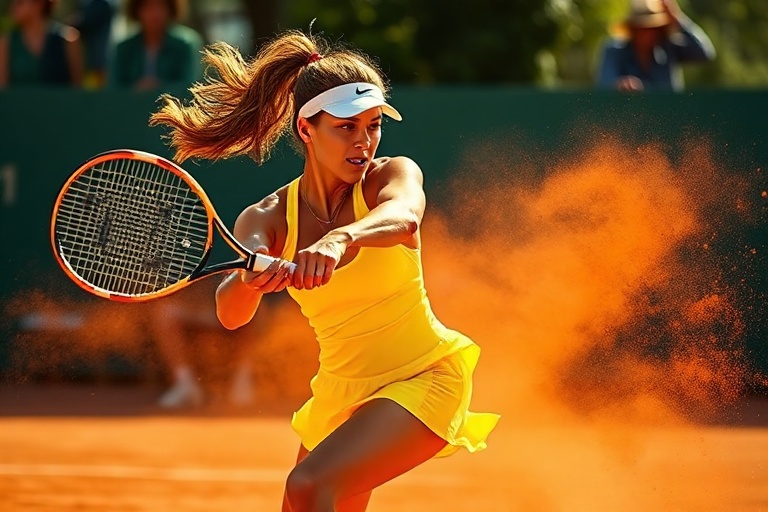
Buse tennis isn’t played on regulation courts. It thrives in cracked parking lots, makeshift backboards, and alleyways where the ball ricochets off walls at unpredictable angles. The game strips tennis down to its raw, improvisational core—no lines, no umpires, just a racquet, a ball, and the instinct to adapt.
Born in urban neighborhoods as a way to bring tennis to communities without access to facilities, buse tennis has quietly exploded into a cultural force. It’s raw, fast-paced, and deeply social. Players of all skill levels converge in nontraditional spaces, transforming everyday concrete into a dynamic playing field. The rules are fluid, the scoring is creative, and the stakes are high—especially when the game spills into the street.
How Buse Tennis Works: Rules, Gear, and Playstyle
Unlike traditional tennis, buse tennis doesn’t follow the International Tennis Federation’s rulebook. Instead, it operates on a set of localized, community-driven guidelines that prioritize speed, creativity, and endurance. Matches often unfold in short, high-energy rounds—best of three or five points—with walls, curbs, and parked cars serving as boundaries.
The equipment reflects the game’s no-frills ethos. Players use standard tennis racquets, though some modify them for better control in tight spaces. The ball is a standard yellow tennis ball, but its behavior changes dramatically when it bounces off uneven surfaces. This unpredictability forces players to develop quick reflexes and adaptable strategies.
Common buse tennis formats include:
- Wall Ball: A single wall serves as the backboard. Players hit the ball against it, aiming for specific zones or angles to make the return difficult.
- Alley Rally: Two players face each other across a narrow alley, using both walls and the ground to keep the ball in play. Points are scored when the opponent fails to return the ball cleanly.
- Street King: A multiplayer free-for-all where the last player standing wins. The court expands to include surrounding sidewalks and parking spaces, turning the game into a tactical endurance challenge.
Scoring varies by location, but many buse tennis communities use a point system based on difficulty. A clean ace might score 1 point, while a ricochet off a car bumper could earn 3. Matches often conclude when one player reaches 11 or 15 points, though some neighborhoods play until a predetermined time—like sunset.
The Culture and Community Behind Buse Tennis
Buse tennis is more than a sport; it’s a social movement. In cities like New York, Los Angeles, and Chicago, it has become a way for underserved youth to engage with tennis without needing access to a club or coach. Community organizers and former collegiate players have stepped in to formalize local leagues, offering free equipment and mentorship to new players.
Social media has amplified its reach. Videos of jaw-dropping trick shots, alley rallies, and street king showdowns circulate on platforms like TikTok and Instagram, drawing in players from across the country. Hashtags like #BusTennis and #ConcreteCourts have amassed thousands of posts, showcasing everything from beginners fumbling with their first racquet to seasoned players executing behind-the-back winners off brick walls.
“Buse tennis is about accessibility,” says Marcus Hayes, a former junior tennis player turned community coach in Atlanta. “You don’t need a $200 court fee or a pristine facility. You just need a racquet, a ball, and a little bit of concrete.” His organization, Racquet Roots, provides free tennis clinics in urban parks and vacant lots, blending traditional instruction with buse tennis techniques.
The culture surrounding buse tennis is deeply collaborative. Players share tips on the best surfaces for ball bounce, how to tape racquets for better grip, and even where to find free or discounted equipment. It’s a grassroots ecosystem where knowledge is currency, and every player, regardless of skill level, has something to contribute.
Why Buse Tennis Matters Beyond the Court
Buse tennis isn’t just a pastime—it’s a response to the growing divide in sports accessibility. While elite tennis academies and country clubs cater to a privileged few, buse tennis democratizes the game. It proves that tennis can thrive anywhere, not just in hallowed grounds like Wimbledon or the US Open.
Its rise also highlights broader trends in urban recreation. As public funding for sports facilities dwindles, communities are reclaiming underused spaces for physical activity. Parking lots become tennis courts. Sidewalks become sprint tracks. Rooftops become skate parks. Buse tennis is part of a larger movement toward adaptive, inclusive recreation that meets people where they are.
There’s also an economic angle. Traditional tennis requires significant investment in gear, court time, and coaching. Buse tennis slashes those barriers. A $30 racquet from a thrift store and a $2 tennis ball can launch a player into the game. This low-cost structure makes it particularly appealing in economically disadvantaged areas, where youth often face limited opportunities for structured physical activity.
The mental health benefits are equally compelling. In an era where screen time dominates leisure, buse tennis offers a tangible, physical escape. The fast pace and social interaction reduce stress and build camaraderie. For many players, it’s as much about community as it is about competition.
The Future of Buse Tennis: From Streets to Stadiums?
Could buse tennis ever go mainstream? Some signs point to yes. A handful of urban tennis festivals have begun incorporating buse tennis elements, blending traditional matches with alley rallies and wall ball tournaments. Brands like Wilson and Nike have also taken notice, sponsoring local buse tennis events and donating equipment to community programs.
Yet challenges remain. The lack of standardized rules makes it difficult for buse tennis to gain formal recognition as a competitive sport. Some purists argue that the game’s improvisational nature is part of its charm and resist formalization. Others believe that structured leagues and tournaments could help legitimize the sport while preserving its grassroots spirit.
One potential path forward is hybrid formats—tournaments that combine traditional tennis with buse tennis challenges. Imagine a match where players transition from a regulation court to a wall ball round, testing their adaptability. Such innovations could bridge the gap between the two worlds, attracting both traditional tennis enthusiasts and newcomers alike.
For now, buse tennis continues to grow organically, fueled by passion and creativity. It’s a testament to the power of community-driven sports and the human drive to play, no matter the setting. Whether it remains an underground phenomenon or evolves into a recognized discipline, one thing is clear: buse tennis is here to stay.
Key Takeaways
- Accessibility: Buse tennis eliminates the need for expensive courts and equipment, making the sport accessible to a broader audience.
- Community-Driven: The sport thrives on local knowledge, shared resources, and grassroots organizing.
- Cultural Shift: It reflects a growing trend toward adaptive urban recreation, reclaiming underused spaces for physical activity.
- Low-Cost Entry: With minimal gear required, buse tennis lowers financial barriers to entry for youth and beginners.
- Social Connection: The game fosters camaraderie and mental well-being, offering a physical escape from digital distractions.
As buse tennis continues to spread, it challenges the status quo of traditional sports culture. It proves that greatness isn’t confined to pristine courts or high-priced academies. Sometimes, the most exciting games happen in the most unexpected places.