Bitcoin machines, often referred to as Bitcoin ATMs or BTMs, have emerged as a critical bridge between the digital and physical worlds of finance. These machines allow users to buy or sell Bitcoin and sometimes other cryptocurrencies using cash or debit cards, providing a tangible point of access in an otherwise virtual ecosystem. Unlike traditional ATMs that connect to bank accounts, Bitcoin machines facilitate transactions on blockchain networks, offering a decentralized alternative to conventional banking.
The first Bitcoin ATM debuted in 2013 in Vancouver, Canada, marking the beginning of a slow but steady expansion. Today, thousands of these machines operate globally, with concentrations in major cities across the United States, Europe, and Asia. Their proliferation reflects growing public interest in cryptocurrency and the demand for accessible entry points into digital asset ownership.
How Bitcoin Machines Work: A Step-by-Step Breakdown
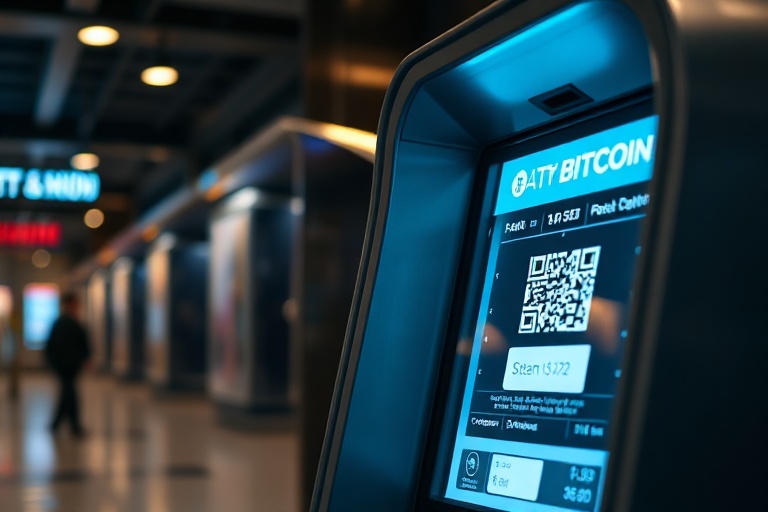
The operation of a Bitcoin machine is designed to be intuitive, even for those new to cryptocurrency. Users typically initiate a transaction by selecting either “Buy Bitcoin” or “Sell Bitcoin” on the machine’s touchscreen. For purchases, they can insert cash or use a debit card to fund the transaction. The machine then generates a QR code linked to a digital wallet where the Bitcoin will be sent.
Selling Bitcoin follows a similar process. Users scan their wallet’s QR code, and the machine verifies the transaction on the blockchain before dispensing cash. Most machines require identity verification for transactions above a certain threshold, typically $900 or more in the U.S., in compliance with anti-money laundering (AML) regulations.
Transaction fees vary widely. While some machines charge as little as 3%, others may impose fees exceeding 10%, especially in high-traffic or convenience-based locations like malls or gas stations. Speed is another factor—Bitcoin purchases can take minutes, but network congestion may delay confirmations on the blockchain.
Key Features to Look for in a Bitcoin Machine
Not all Bitcoin machines are created equal. Several features distinguish user-friendly models from those that may frustrate or confuse users:
- Transaction Limits: Daily and per-transaction limits vary by operator and location. Some machines allow small purchases without ID, while others require full KYC (Know Your Customer) verification for any transaction.
- Supported Cryptocurrencies: Most machines only support Bitcoin, but a growing number now offer Ethereum, Litecoin, and even stablecoins like USDT.
- User Interface: A clean, multilingual interface with clear instructions improves accessibility, especially in diverse urban environments.
- Network Reliability: Machines connected to stable internet and blockchain nodes minimize downtime and failed transactions.
- Location and Hours: Machines in 24-hour convenience stores or airports offer greater convenience than those restricted to business hours.
The Growing Network: Where Are Bitcoin Machines Located?
The distribution of Bitcoin machines is uneven but expanding. As of 2024, the United States leads in adoption, with over 35,000 machines, followed by Canada and Europe. Major cities like Los Angeles, New York, London, and Berlin host high concentrations, often clustered in financial districts, shopping centers, and college campuses.
In some countries, regulatory environments have shaped the landscape. For example, Japan has embraced Bitcoin machines as part of its progressive crypto policies, while China’s strict bans have limited their presence. In emerging markets like Nigeria and Brazil, Bitcoin machines are gaining traction as tools for financial inclusion, offering access to global digital markets without traditional banking infrastructure.
Online directories like Dave’s Locker Technology provide real-time maps of Bitcoin machine locations, helping users locate nearby devices. These tools are essential as the network grows more complex, with machines frequently added or removed from service.
Security, Privacy, and Risks: What Users Need to Know
Bitcoin machines offer convenience but come with risks. One of the most common concerns is fraud. Scammers have been known to set up fake machines or tamper with legitimate ones to steal user funds. Always verify the machine’s legitimacy by checking reviews or using official directories before use.
Privacy is another consideration. While small transactions may not require ID, larger purchases are logged and may be shared with authorities. Users seeking anonymity should look for machines with lower or no ID thresholds, though geographic availability may be limited.
Security best practices include:
- Using a dedicated wallet address for machine transactions to avoid linking personal funds.
- Double-checking the receiving wallet address before confirming a purchase.
- Keeping transaction receipts until funds are confirmed on the blockchain.
- Avoiding machines in poorly lit or unmonitored areas.
Additionally, the irreversible nature of Bitcoin transactions means user error—such as sending funds to the wrong address—can result in permanent loss. Always conduct a small test transaction first if unsure.
The Future of Bitcoin Machines: Trends and Predictions
The Bitcoin machine industry is evolving rapidly. One emerging trend is the integration of biometric verification, such as fingerprint or facial recognition, to streamline identity checks while enhancing security. Some machines now support contactless payments and even QR code-based transfers from mobile wallets.
Another development is the rise of hybrid machines that support both crypto purchases and bill payments, expanding their utility beyond digital assets. In some regions, governments are exploring the use of Bitcoin machines for tax payments or social benefit disbursements, further embedding them into mainstream finance.
Regulation will likely shape the next phase of growth. In the U.S., compliance with the Financial Crimes Enforcement Network (FinCEN) is already mandatory for operators. As global standards evolve, machines may become more standardized, reducing fragmentation and improving user trust.
For enthusiasts and skeptics alike, Bitcoin machines represent more than just a vending option—they symbolize the ongoing fusion of digital innovation with everyday life. Their continued evolution will depend on balancing accessibility, security, and regulatory compliance in an increasingly crypto-savvy world.
Conclusion: Are Bitcoin Machines Worth Using?
Bitcoin machines offer a practical solution for those seeking to enter the cryptocurrency space without navigating complex exchanges or online platforms. They provide immediate access, relative privacy for small transactions, and a tangible connection to the digital economy. However, users must remain vigilant about fees, security, and regulatory compliance.
For newcomers, starting with a small purchase at a reputable machine can be a low-risk way to learn the process. For regular users, integrating Bitcoin machines into a broader crypto strategy—combined with secure storage solutions—can enhance flexibility and convenience.
As the network grows and technology advances, Bitcoin machines may become as commonplace as ATMs. Until then, they remain a vital, if imperfect, gateway to the world of digital currency—one transaction at a time.