dfw airport faa ground stop
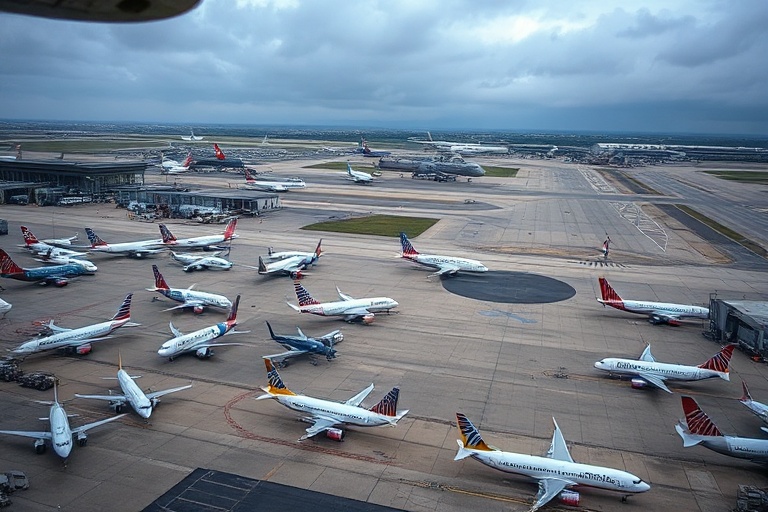
Dallas/Fort Worth International Airport, one of the busiest air travel hubs in the world, experienced a sudden Federal Aviation Administration (FAA) ground stop on a recent Tuesday morning. The temporary halt in departures lasted just under two hours but sent ripples through the travel industry, leaving passengers stranded and airlines scrambling to adjust schedules. While ground stops are not uncommon, this incident highlighted the fragility of air travel operations and the cascading effects of even minor disruptions.
What Triggered the Ground Stop?
The FAA issued the ground stop at DFW Airport due to an air traffic control system issue. While the FAA did not immediately disclose the exact nature of the malfunction, preliminary reports suggested a problem with the Automated Flight Service Station (AFSS) system, which provides critical flight planning and weather data to pilots and controllers. Without access to this system, air traffic controllers lacked essential information needed to safely manage departures.
Ground stops are precautionary measures. They prevent aircraft from taking off when controllers cannot guarantee safe separation or have incomplete flight data. This particular stop affected all departures from DFW, one of American Airlines’ largest hubs, where hundreds of flights originate daily. The ripple effect extended nationwide, as connecting passengers faced delays and cancellations across the airline’s network.
Key Factors Behind the Disruption
- System Dependency: Modern air traffic control relies heavily on digital systems for real-time flight data and coordination.
- Single Point of Failure: The AFSS system acts as a critical node; its failure creates bottlenecks in flight operations.
- Human Oversight Limits: Even with trained controllers, incomplete data increases risk, forcing precautionary measures.
- Airline Hub Impact: As a major hub for American Airlines, DFW’s disruption has outsized effects on the carrier’s operations.
How Airlines and Passengers Responded
Airlines operating at DFW quickly adjusted to the ground stop. American Airlines, which accounts for nearly 80% of flights at the airport, implemented its irregular operations (IROPS) protocol. This included rebooking passengers on later flights, waiving change fees, and deploying additional staff to handle the influx of inquiries. Delta, United, and Southwest also adjusted schedules, though to a lesser extent, as their operations at DFW are smaller in scale.
Passengers faced long lines at ticket counters and customer service desks. Social media became a primary channel for complaints and updates, with travelers sharing frustration over lack of communication. The incident underscored the importance of transparent communication during operational disruptions. Airlines that provided real-time updates via apps and websites fared better in managing passenger frustration.
Traveler Rights and Compensation
Under U.S. Department of Transportation regulations, airlines are not required to compensate passengers for delays caused by air traffic control issues, which are considered “beyond the airline’s control.” However, passengers are entitled to refreshments, accommodations, and rebooking at no additional cost if the delay extends beyond a certain threshold. The DOT encourages travelers to document expenses and file complaints if airlines fail to meet their obligations.
For stranded passengers, the best course of action is to monitor airline communications and check rebooking options proactively. Airlines typically prioritize rebooking based on fare class, frequent flyer status, and connection urgency, so flexibility can improve outcomes.
Broader Implications for Air Travel
The DFW ground stop is a reminder of the vulnerabilities in the U.S. air traffic control system. While the FAA has made significant strides in modernizing infrastructure—including the NextGen air traffic control system—the reliance on aging systems like AFSS poses ongoing risks. Cybersecurity threats, software bugs, and hardware failures can all trigger similar disruptions, with potentially severe consequences.
Industry experts argue that the incident highlights the need for greater redundancy in critical systems. Some suggest that shifting to cloud-based air traffic management could reduce single points of failure. Others advocate for increased investment in backup systems and faster recovery protocols. The FAA has acknowledged these challenges and has outlined plans to upgrade its systems over the next decade, but implementation remains slow.
Lessons for Frequent Travelers
Travelers can take steps to mitigate the impact of future ground stops. Booking flights on airlines with strong operational resilience—such as those with modern fleet management and robust customer service teams—can reduce exposure to disruptions. Additionally, travelers should consider purchasing travel insurance that covers trip interruptions due to air traffic control delays. Apps like FlightAware and airline-specific tools can provide real-time updates, helping passengers make informed decisions during disruptions.
For frequent flyers, enrolling in airline loyalty programs can also provide advantages during operational chaos. Elite status often comes with priority rebooking and dedicated customer service lines, which can be invaluable during high-stress situations.
Conclusion: A Wake-Up Call for the Industry
The FAA ground stop at DFW Airport was a temporary setback, but it exposed deeper issues in the air travel ecosystem. While the disruption was resolved within hours, the ripple effects lasted for days, affecting thousands of passengers and costing airlines millions in operational expenses. As air travel demand continues to rise, the industry must address systemic vulnerabilities to prevent future disruptions.
For now, passengers can only hope that the lessons from this incident lead to meaningful improvements. In the meantime, travelers should remain vigilant, stay informed, and prepare for the unexpected. The skies may be vast, but the systems that guide them are not invincible.
For more insights on air travel trends and airline operations, visit our Travel and Analysis sections.