El Niño Explained: Global Weather Patterns and Cultural Impact
What Is El Niño?
El Niño is a complex climate phenomenon that occurs when ocean temperatures in the central and eastern Pacific Ocean become unusually warm. This warming disrupts normal weather patterns, leading to significant changes in global temperatures and precipitation. The term, which translates to “the little boy” or “Christ child” in Spanish, was coined by Peruvian fishermen who noticed the phenomenon around Christmas centuries ago.
Scientists measure El Niño using the Oceanic Niño Index (ONI), which tracks sea surface temperature anomalies in a specific region of the Pacific. When these anomalies exceed 0.5°C for five consecutive months, an El Niño event is officially declared. The intensity varies, with stronger events like the 1997-1998 and 2015-2016 episodes causing widespread disruption.
Global Weather Disruptions Linked to El Niño
El Niño’s influence extends far beyond the Pacific, reshaping weather patterns across continents. In North America, for example, warmer and drier conditions often prevail in the northern United States and Canada, while the southern U.S. and Mexico may experience increased rainfall and flooding. The weather extremes can strain infrastructure and emergency response systems.
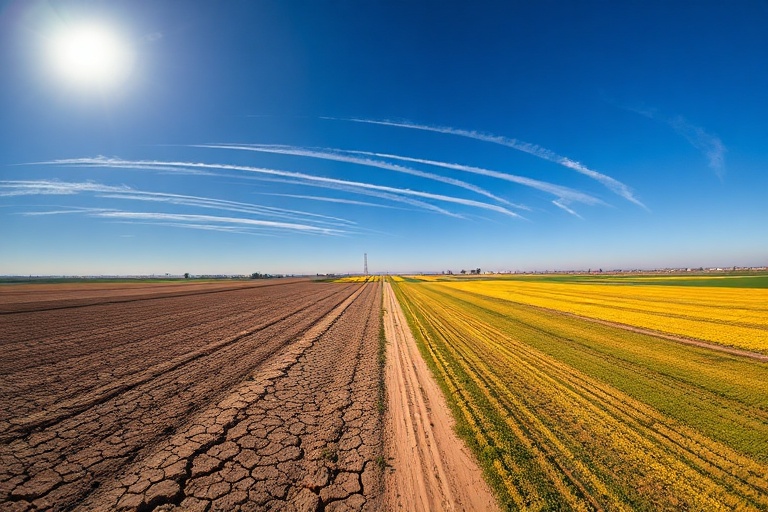
In South America, El Niño typically brings heavy rains to normally arid regions like Peru and Chile, while parts of Brazil and Colombia face drought. These shifts have historically disrupted agriculture, leading to food shortages and economic losses. The 2015-2016 event caused an estimated $3.5 billion in agricultural damages in Brazil alone.
Across the Pacific, Australia and Southeast Asia often grapple with severe droughts and wildfires during El Niño years. The 2019-2020 bushfires in Australia, exacerbated by El Niño-linked drought, burned over 18 million hectares of land. Meanwhile, countries like Indonesia and the Philippines face reduced monsoon rains, threatening rice and coffee crops.
Regional Impacts of El Niño
- Africa: Southern Africa experiences reduced rainfall, leading to crop failures and water shortages. In Eastern Africa, however, increased rainfall can cause flooding and outbreaks of waterborne diseases like cholera.
- India: Monsoon rains often weaken during El Niño, resulting in drought conditions that cripple agriculture and rural livelihoods.
- Europe: Northern Europe may see milder winters, while Southern Europe faces heightened risks of heatwaves and wildfires.
Cultural and Historical Responses to El Niño
El Niño’s recurring presence has shaped cultures and societies for centuries. Indigenous communities in Peru, where the phenomenon was first observed, developed agricultural practices to adapt to its cycles. Some relied on ancient irrigation systems to mitigate droughts, while others stored food during abundant years to prepare for lean periods.
In modern times, El Niño has influenced global trade and economic policies. The 1997-1998 event, one of the strongest on record, disrupted commodity markets as agricultural output plummeted in affected regions. Coffee and cocoa prices soared due to reduced harvests in West Africa and Brazil, prompting governments to reassess food security strategies.
Art and literature have also reflected El Niño’s impact. In Peru, poets and musicians have long referenced “El Viejo,” or “the old man,” as a metaphor for the erratic climate. Similarly, Western artists like Winslow Homer depicted stormy coastal scenes that may have been inspired by El Niño-driven weather patterns in the late 19th century.
Mitigation and Preparedness: Can We Adapt?
While El Niño is a natural phenomenon, its effects are increasingly severe due to climate change. Rising global temperatures amplify its impacts, making adaptation strategies critical. Governments and organizations are turning to early warning systems, such as those developed by the National Oceanic and Atmospheric Administration (NOAA), to predict and prepare for El Niño events.
In agriculture, farmers are adopting drought-resistant crops and precision farming techniques to cope with erratic rainfall. In Peru, communities are reviving traditional water management systems, like the amunas (infiltration channels), to capture and store rainwater during wet years for use during dry spells.
International cooperation plays a vital role in mitigating El Niño’s global effects. The World Meteorological Organization (WMO) collaborates with countries to share data and best practices. For instance, during the 2015-2016 event, the WMO provided forecasts that helped governments in Southern Africa prepare for droughts and food shortages.
Steps to Reduce El Niño’s Impact
- Enhance early warning systems: Invest in technology to improve the accuracy and timeliness of El Niño predictions.
- Promote sustainable agriculture: Encourage the use of drought-resistant crops and efficient irrigation methods.
- Strengthen infrastructure: Build resilient infrastructure to withstand extreme weather events, such as flood barriers and heat-resistant buildings.
- Foster global cooperation: Share resources and knowledge across borders to address the shared challenges posed by El Niño.
Conclusion: A Call for Collective Action
El Niño is more than a climate anomaly—it is a reminder of nature’s interconnectedness and the fragility of human systems. Its impacts ripple across continents, affecting economies, cultures, and livelihoods. While we cannot control El Niño, we can prepare for its effects and build resilience in the face of future challenges.
As climate change intensifies, the frequency and severity of El Niño events may increase. This underscores the need for proactive measures, from policy changes to community-based adaptation strategies. By understanding El Niño’s global patterns and cultural contexts, we can foster a more prepared and adaptive world.
The lessons of the past—whether from Peruvian fishermen or modern scientists—offer valuable insights. The key lies in collaboration, innovation, and a commitment to sustainable practices. Only then can we turn the challenges of El Niño into opportunities for growth and resilience.