Fitbit Air Tracker Review: Lightweight Fitness at Its Best
Introduced as a streamlined addition to Fitbit’s lineup, the Air Tracker delivers core fitness monitoring without the bulk of premium devices. Positioned as an affordable entry point, it targets users who want essential metrics without overwhelming features.
What Is the Fitbit Air Tracker?
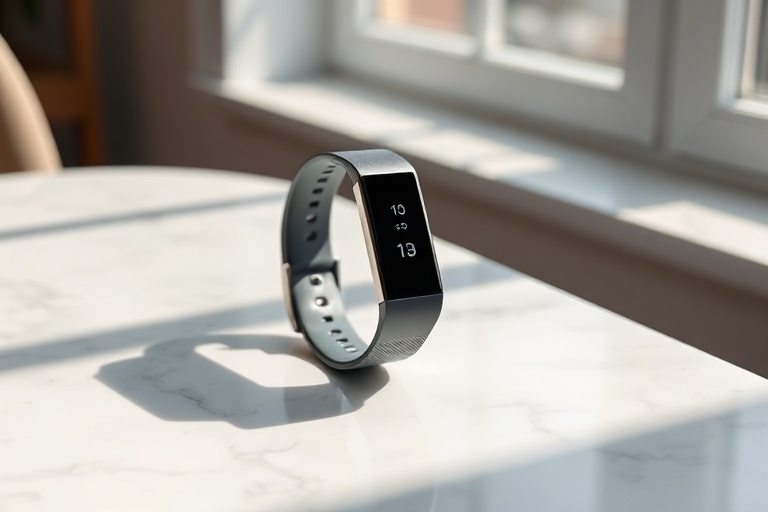
The Fitbit Air Tracker is a minimalist fitness band designed for users who prioritize simplicity and comfort. It strips away advanced health monitoring like ECG or skin temperature tracking, focusing instead on step counting, active minutes, and sleep analysis. The device weighs just 12 grams and features a slim, flexible silicone band that makes it ideal for 24/7 wear.
Unlike the Fitbit Charge or Inspire series, the Air Tracker does not include a color display. Instead, it relies on a monochrome OLED screen that shows basic metrics like steps, time, and battery life. This design choice keeps the price low and extends battery life to up to seven days per charge.
Connectivity is handled via Bluetooth 5.0, ensuring stable pairing with both iOS and Android devices. The companion Fitbit app provides a clean interface for reviewing daily activity, setting goals, and participating in challenges with friends. For users upgrading from basic pedometers or smartphone tracking, the Air Tracker offers a noticeable improvement in accuracy and motivation.
Key Features and What It Tracks
The Fitbit Air Tracker focuses on core fitness metrics that matter to most users. It automatically tracks steps taken, distance traveled, and calories burned throughout the day. Active Zone Minutes—a feature that rewards time spent in fat-burning, cardio, or peak heart rate zones—is also included, though it lacks heart rate monitoring to calculate those zones.
Sleep tracking remains one of the device’s strongest features. It monitors sleep stages—awake, light, deep, and REM—and provides a Sleep Score each morning. While it doesn’t differentiate between sleep apnea or snoring, it does offer insights into sleep consistency and duration, which can be valuable for improving rest habits.
Other tracked elements include:
- All-day activity: Inactive time alerts remind users to move after prolonged sitting.
- Multi-sport modes: Supports walking, running, biking, and swimming with automatic mode detection.
- Smart notifications: Displays calls, texts, and app alerts from a paired smartphone.
- Water resistance: Rated up to 50 meters, suitable for swimming and showering.
Notably absent are advanced health features like SpO2 monitoring, menstrual cycle tracking, or stress assessment. This makes the Air Tracker less suitable for users seeking medical-grade data or comprehensive wellness insights. Instead, it excels as a motivational tool for casual athletes and daily movers.
Design and Comfort: Built for All-Day Wear
The Fitbit Air Tracker’s design is intentionally understated. The band comes in three neutral colors—black, slate blue, and soft pink—and fits wrists from 5.5 to 7.1 inches in circumference. The lightweight plastic housing holds the electronics, while the flexible band ensures a snug fit without irritation.
Despite its plastic construction, the device feels sturdy enough for gym sessions or outdoor runs. The clasp uses a secure push-button mechanism, though it lacks the premium magnetic closure found in higher-end models. The back of the device includes two raised sensors for step detection and a charging port covered by a rubber flap.
Comfort is one of the Air Tracker’s standout qualities. Many users report forgetting they’re wearing it, even after hours of use. This makes it ideal for sleep tracking or long workdays where bulkier devices might become uncomfortable. However, those with sensitive skin may want to monitor for irritation, as some silicone bands can trap moisture.
How It Compares to Other Fitbit Models
When stacked against other Fitbit devices, the Air Tracker occupies a clear niche. The Fitbit Inspire 3 offers a color display, longer battery life, and more detailed sleep analysis, but at a higher price point. Meanwhile, the Charge 6 includes built-in GPS, heart rate monitoring, and Google Wallet integration, making it a stronger choice for runners and fitness enthusiasts.
For budget-conscious buyers, the Air Tracker competes with no-name fitness bands priced under $50. However, its Fitbit branding and reliable app integration set it apart. The lack of a heart rate sensor is the most significant trade-off, as it limits the accuracy of calorie burn estimates and eliminates advanced health insights.
Here’s a quick comparison of key models:
- Fitbit Air Tracker: $49.95, no heart rate, 7-day battery, basic display.
- Fitbit Inspire 3: $99.95, color display, 10-day battery, SpO2 tracking.
- Fitbit Charge 6: $159.95, built-in GPS, heart rate, Google Wallet, 7-day battery.
For users who only need step and sleep tracking, the Air Tracker delivers excellent value. Those requiring more detailed data or outdoor workout features will need to consider mid-range or premium models.
Who Should Buy the Fitbit Air Tracker?
The Fitbit Air Tracker is best suited for three types of users. First, it appeals to beginners who want to start tracking their health without investing heavily. Its simple interface and affordable price remove barriers to entry. Second, it’s ideal for casual exercisers—walkers, yogis, or swimmers—who don’t need advanced metrics. Finally, it serves as a secondary tracker for those who already own a smartwatch but want a lightweight device for sleep and daily activity.
Parents looking to encourage fitness in children or teens may also find it useful, thanks to Fitbit’s family account features. However, the lack of kid-sized bands limits its appeal in that demographic. Fitness enthusiasts training for marathons or intense gym routines will likely find the device too basic.
Value seekers will appreciate the Air Tracker’s balance of cost and functionality. At less than $50, it undercuts most fitness trackers while still providing reliable data. The trade-off for simplicity is minimal, especially for users who primarily care about daily movement and sleep quality.
Final Thoughts: A Solid Entry-Level Tracker
The Fitbit Air Tracker succeeds in its mission: to provide essential fitness tracking in a comfortable, affordable package. It doesn’t overwhelm users with data or flashy features, instead focusing on what matters most—helping people move more and sleep better. While it lacks the polish and precision of premium devices, its strengths lie in its simplicity and ease of use.
For those ready to take the first step into fitness tracking—or those looking for a no-frills secondary device—the Air Tracker is a smart pick. It won’t replace a dedicated running watch or medical-grade monitor, but it will keep users accountable and motivated without breaking the bank.
If you’re still unsure whether the Air Tracker fits your lifestyle, consider trying it alongside a free trial of the Fitbit app. Many users find that the combination of real-time feedback and long-term trends is enough to spark lasting habit changes.