Fever Schedule: How to Track, Understand, and Respond to Body Temperature
Fever is one of the body’s most straightforward yet misunderstood defense mechanisms. It’s a temporary rise in body temperature, often signaling that something isn’t quite right. While fevers are common—especially in children—they can still cause concern when they persist or follow irregular patterns. This guide explores the science behind fever schedules, how to track them effectively, and when professional medical advice becomes necessary.
The Science Behind Fever and Why It Happens
A fever isn’t an illness in itself; it’s a physiological response orchestrated by the brain. When the body detects an infection—bacterial or viral—it releases chemicals called pyrogens. These signal the hypothalamus, the body’s temperature regulator, to elevate the internal thermostat. This increase in temperature creates a less hospitable environment for pathogens while stimulating immune activity.
Fever patterns matter. A low-grade fever might hover around 100.4°F (38°C), while a high fever can exceed 104°F (40°C). The timing of these spikes often correlates with the body’s immune response. For example, viral infections like influenza often spike early and then taper, while bacterial infections may cause prolonged or recurrent fevers.
Understanding this process helps demystify why fevers occur and why they’re generally beneficial—up to a point. However, when fevers become persistent or erratic, they may indicate a more serious underlying condition.
How to Track Fever Effectively: Tools and Best Practices
Tracking fever isn’t just about taking a temperature once; it’s about observing patterns over time. The most reliable method remains the digital thermometer, which provides quick and accurate readings. For infants and young children, temporal artery or ear thermometers are often preferred for their speed and ease of use.
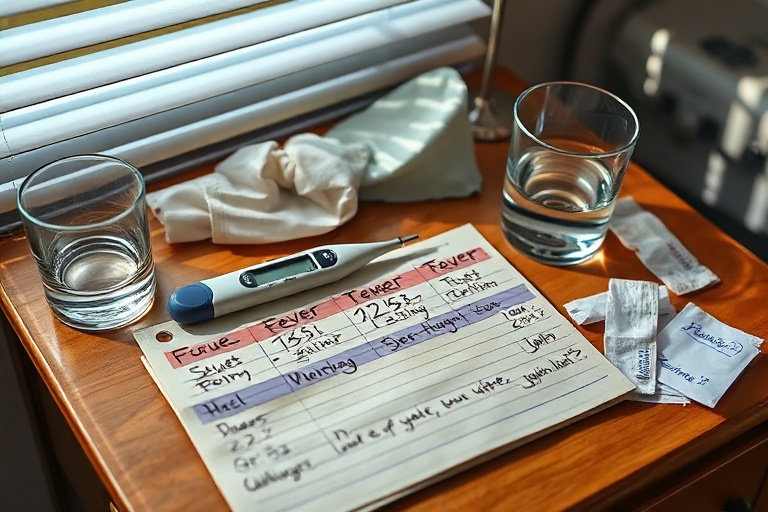
Keep a fever log that includes:
- Time of day when temperature is taken
- Exact temperature reading
- Accompanying symptoms (e.g., chills, fatigue, rash)
- Medication timing and dosage
For adults, it’s useful to monitor fever at consistent intervals—morning and evening—to detect trends. Children, especially infants under three months, require more frequent checks due to their vulnerability to rapid temperature changes.
Digital health apps now offer fever tracking features, syncing with wearable devices and providing visual graphs of temperature trends. While these tools can simplify monitoring, they shouldn’t replace professional medical evaluation when fevers persist beyond 72 hours or exceed 103°F (39.4°C).
Common Causes of Irregular Fever Schedules
Fever patterns can vary widely depending on the cause. Viral infections, such as the common cold or flu, typically produce acute fevers that resolve within a few days. Bacterial infections—like strep throat or urinary tract infections—may lead to more prolonged or recurrent fevers, often accompanied by localized symptoms.
Chronic conditions can also disrupt normal fever schedules. Autoimmune diseases such as lupus or rheumatoid arthritis may cause low-grade, persistent fevers. In some cases, medication side effects—particularly from antibiotics or chemotherapy—can trigger fever spikes at irregular intervals.
Environmental factors shouldn’t be overlooked. Heat exhaustion or dehydration can mimic fever symptoms, while extreme temperature changes—like moving from a cold environment to a warm one—can temporarily elevate body temperature.
If a fever follows an unpredictable schedule—appearing at night, disappearing during the day, or recurring without clear cause—it may warrant further medical investigation. Conditions like malaria or tuberculosis often present with cyclical fever patterns, underscoring the importance of clinical correlation.
When to See a Doctor: Red Flags in Fever Schedules
Not all fevers require medical attention, but certain patterns should prompt a visit to a healthcare provider. Infants under three months with a temperature of 100.4°F (38°C) or higher need immediate evaluation, as their immune systems are still developing. Children older than three months should be seen if their fever exceeds 102°F (38.9°C) and doesn’t improve with treatment.
Adults should seek medical advice if:
- Fever persists beyond 72 hours without improvement
- Temperature exceeds 103°F (39.4°C) or fluctuates wildly
- Accompanied by severe symptoms like confusion, difficulty breathing, or stiff neck
- Develops after recent travel to areas with infectious disease risks
Chronic fever sufferers—those experiencing fevers for weeks or months—should undergo a thorough evaluation to rule out underlying conditions like infections, inflammatory diseases, or even malignancies. Diagnostic tools such as blood tests, imaging studies, and cultures can help pinpoint the cause when standard treatments fail.
“A fever that doesn’t follow the expected trajectory—either lingering too long or recurring without explanation—often signals that the body is fighting something more complex than a passing virus.” — Dr. Elena Vasquez, Infectious Disease Specialist
Self-treatment with over-the-counter medications like acetaminophen or ibuprofen can mask symptoms and delay proper diagnosis. While these drugs provide temporary relief, they don’t address the root cause of the fever.
Managing Fever at Home: Safe Strategies and Misconceptions
Hydration is the cornerstone of fever management. Fever dehydrates the body, so increasing fluid intake—water, herbal teas, or electrolyte solutions—helps maintain balance. Light clothing and cool compresses can assist in lowering body temperature, but ice baths or alcohol rubs are discouraged, as they can induce shivering and further elevate core temperature.
Rest is equally critical. The body heats up during physical activity, so limiting exertion allows the immune system to focus on fighting infection. A nutrient-rich diet, including broths and easy-to-digest foods, supports recovery without overtaxing the digestive system.
Common misconceptions persist around fever treatment. Many believe that a fever must always be reduced, but low-grade fevers (under 101°F / 38.3°C) can enhance immune function. Conversely, high fevers or those causing discomfort require intervention. It’s a balance between allowing the body to heal and preventing complications like febrile seizures in young children.
For parents, it’s essential to avoid alternating between acetaminophen and ibuprofen without consulting a pediatrician, as improper dosing can lead to toxicity. Always follow age-appropriate guidelines and seek medical advice if symptoms worsen after medication.
Conclusion: Listening to the Body’s Signals
Fever schedules are more than just numbers on a thermometer—they’re a window into the body’s internal dialogue. Whether it’s a brief viral response or a sign of a deeper issue, understanding these patterns empowers individuals to make informed decisions about their health.
While most fevers resolve on their own, persistent or erratic patterns demand attention. Tracking symptoms, staying hydrated, and knowing when to seek help can turn a period of uncertainty into a manageable health episode. The key lies in observation, not overreaction—balancing vigilance with trust in the body’s natural defenses.
For further reading on related health topics, visit our Health category or explore our Science section for deeper insights into bodily functions.