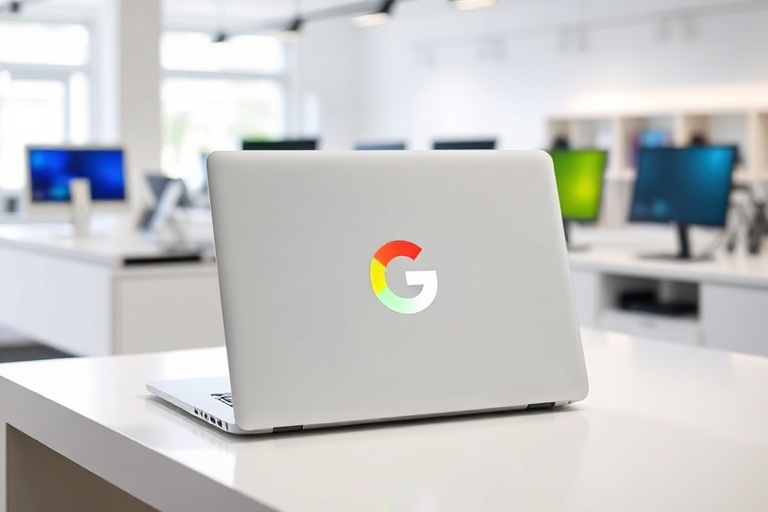
Google’s foray into the laptop market through its ChromeOS-powered devices has quietly reshaped expectations for budget-friendly, web-centric computing. While Windows and macOS dominate the broader ecosystem, ChromeOS has carved out a unique space—particularly among students, remote workers, and users prioritizing simplicity over raw performance.
These laptops, often marketed under the Pixelbook brand or by partners like Acer, Lenovo, and HP, prioritize speed, security, and seamless integration with Google’s suite of productivity tools. Their growing popularity reflects shifting consumer priorities, especially in education and emerging markets where affordability and cloud-based workflows are paramount.
The Evolution of Google Laptops: From Concept to Mainstream
The journey began in 2011 with the first Chromebooks, which were initially met with skepticism. Early models lacked local storage, relied heavily on an internet connection, and offered limited functionality compared to traditional laptops. Yet, Google persisted, refining the hardware and software to address these concerns.
By 2013, Chromebooks gained traction in classrooms, thanks to their low cost and ease of management. Google’s aggressive push into education—partnering with schools and offering discounted devices—helped normalize the platform. Today, ChromeOS runs on over 50% of devices shipped to U.S. K-12 schools, according to industry reports.
The introduction of the Pixelbook in 2017 marked Google’s attempt to elevate its laptop ambitions. Positioned as a premium alternative to MacBooks, the Pixelbook featured a sleek design, a high-resolution touchscreen, and deep integration with Google Assistant. While its $999 price tag limited its appeal, it demonstrated Google’s commitment to competing in the high-end segment.
Key Milestones in Google’s Laptop Ecosystem
- 2011: Launch of the first Chromebooks, targeting budget-conscious users.
- 2013: Expansion into education with partnerships and discounted devices.
- 2017: Introduction of the Pixelbook, blending ChromeOS with premium hardware.
- 2020: Release of the Pixelbook Go, a more affordable iteration with improved battery life.
- 2023: Introduction of the Pixelbook 2, featuring a 12th-gen Intel processor and enhanced AI capabilities.
What Sets Google Laptops Apart? Performance, Security, and Integration
Google laptops distinguish themselves through three core pillars: performance tailored for web-based tasks, robust security features, and deep integration with Google’s ecosystem. Unlike traditional laptops that juggle multiple applications, ChromeOS devices excel in lightweight, cloud-dependent workflows.
Performance is optimized for speed rather than raw power. Boot times are nearly instantaneous, thanks to ChromeOS’s lightweight architecture. The operating system itself is designed to handle multitasking efficiently, though it struggles with demanding software like video editing suites or high-end games. For most users—especially those relying on Google Docs, Sheets, and Drive—this trade-off is a non-issue.
Security is another standout feature. ChromeOS devices benefit from automatic updates, sandboxed applications, and verified boot processes, which minimize vulnerabilities. Google’s “defense in depth” approach ensures that even if one layer is compromised, others remain intact. This has made ChromeOS a favorite in environments where security is a top priority, such as schools and government offices.
Integration with Google’s ecosystem is seamless. Users can effortlessly sync files across devices, leverage Google Assistant for voice commands, and access a growing library of Android apps through the Google Play Store. This synergy is particularly appealing to those already invested in Google’s services, from Gmail and Google Calendar to YouTube Premium.
The Broader Implications: Disrupting the Laptop Market
The rise of Google laptops has broader implications for the tech industry, challenging the dominance of Windows and macOS. While ChromeOS still holds a relatively small share of the overall laptop market—around 8% globally, according to IDC—its growth is accelerating. Analysts attribute this to several factors:
- Affordability: Chromebooks often retail for under $300, making them accessible to a wider audience.
- Simplicity: The lack of bloatware and intuitive interface appeal to users frustrated with complex operating systems.
- Educational Demand: Schools continue to adopt Chromebooks due to their ease of deployment and management.
- Hybrid Work Trends: The shift to remote work has increased demand for lightweight, portable devices that prioritize connectivity.
However, Google laptops are not without limitations. The reliance on web-based applications can be a drawback in areas with poor internet connectivity. Additionally, the lack of native support for professional software like Adobe Photoshop or AutoCAD limits their appeal to creative professionals and developers. Google has attempted to address this by expanding Android app support, but compatibility issues persist.
Despite these challenges, the trajectory of Google laptops suggests a long-term role in the market. As cloud computing continues to evolve, ChromeOS devices may become even more viable for users who prioritize convenience and cost over raw performance.
Looking Ahead: The Future of Google Laptops
The future of Google laptops hinges on Google’s ability to innovate while addressing the limitations of ChromeOS. Several trends could shape this evolution:
- AI Integration: Google’s push into artificial intelligence could lead to smarter, more adaptive laptops. Features like AI-driven battery optimization, real-time translation, and predictive text could enhance usability.
- Gaming and Performance: As cloud gaming services like GeForce Now and Xbox Cloud Gaming grow, Google laptops may become more viable for gamers. Google has already taken steps in this direction with the introduction of Linux support on ChromeOS, allowing for more powerful applications.
- Enterprise Adoption: Businesses are increasingly adopting ChromeOS devices for their simplicity and security. Google’s recent partnerships with companies like Dell and HP to produce more enterprise-focused Chromebooks could accelerate this trend.
- Hardware Innovation: Google’s Pixelbook line could expand to include more affordable options, as well as devices tailored for specific use cases, such as content creation or coding.
For now, Google laptops remain a niche but growing segment of the market. Their success hinges on Google’s ability to balance innovation with accessibility, ensuring that ChromeOS continues to meet the evolving needs of users. Whether they become a mainstream alternative to Windows and macOS remains to be seen, but their impact on education, affordability, and cloud computing is undeniable.
Conclusion: A Laptop for the Right User
Google laptops are not for everyone. They cater to a specific audience—students, remote workers, and budget-conscious users who prioritize simplicity, security, and integration with Google’s ecosystem. For these users, ChromeOS devices offer a compelling alternative to traditional laptops.
However, for professionals, creatives, or gamers who rely on resource-intensive software, Google laptops may fall short. As the tech landscape continues to evolve, Google’s challenge will be to expand the capabilities of ChromeOS without sacrificing the qualities that make it unique. If successful, Google laptops could play an even larger role in shaping the future of computing.
For now, they stand as a testament to the power of simplicity in an increasingly complex tech world. Whether you’re a student, a teacher, or someone looking for an affordable, secure laptop, Google’s offerings deserve a closer look.
Explore more about Google’s ecosystem and its impact on technology by visiting our Technology and Analysis sections for deeper insights.