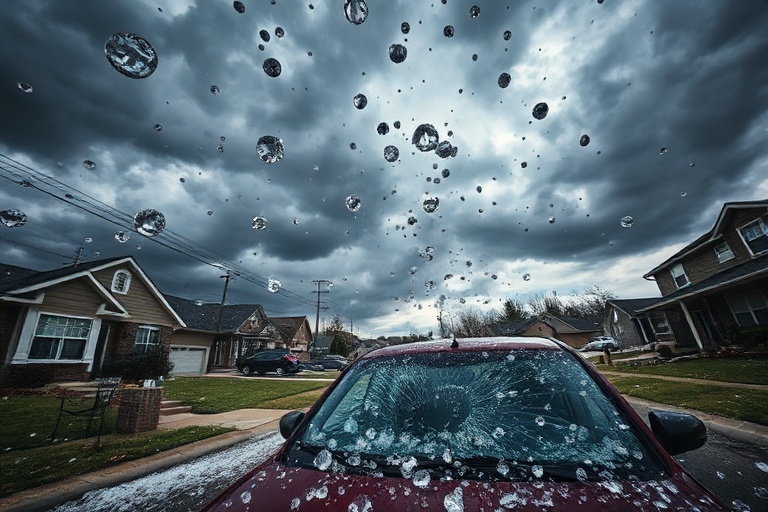
Hailstorms Explained: Causes, Impacts, and How to Prepare
Hailstorms are among nature’s most dramatic and destructive weather events, capable of causing significant damage to property, agriculture, and infrastructure. Unlike rain or snow, hail forms under specific atmospheric conditions that create a unique precipitation type. These storms are not merely intense thunderstorms; they represent a complex interplay of meteorological factors that can have far-reaching consequences.
The unpredictability of hailstorms makes them particularly challenging to forecast and prepare for. While some regions experience frequent hail events, others may face them only sporadically. Understanding the science behind hail formation, its economic and environmental impacts, and effective mitigation strategies is essential for communities, businesses, and individuals living in hail-prone areas.
The Science Behind Hail Formation
Hail develops within severe thunderstorms where strong updrafts suspend water droplets in the upper atmosphere, where temperatures are below freezing. These droplets freeze into small ice pellets, which then collide with supercooled water, growing larger in size. The process continues as the hailstones are repeatedly lifted and dropped by the storm’s winds until they become too heavy to remain aloft and fall to the ground.
The size of hailstones varies dramatically, from pea-sized (0.25 inches) to as large as grapefruits (4.5 inches in diameter). The largest recorded hailstone in the U.S. fell in Vivian, South Dakota, in 2010, measuring 8 inches in diameter and weighing nearly 2 pounds. The speed at which hail falls also plays a role in its destructive potential—larger hailstones can strike the ground at speeds exceeding 100 mph, turning them into dangerous projectiles.
Several key factors contribute to hail formation:
- Strong updrafts: These are necessary to keep hailstones suspended long enough to grow.
- Supercooled water: Water that remains liquid despite temperatures below freezing, which freezes onto hailstones as they rise and fall.
- Wind shear: Changes in wind speed or direction with altitude help create the rotating updrafts typical of severe thunderstorms.
- Moisture availability: A steady supply of water vapor fuels the storm and sustains hail growth.
Global Hotspots and Seasonal Patterns
Hailstorms are not evenly distributed across the globe. Certain regions experience them more frequently due to their geographic and climatic conditions. The United States leads the world in hail reports, particularly in the central and southern Great Plains, often referred to as “Hail Alley.” This area spans parts of Texas, Oklahoma, Kansas, Nebraska, and Colorado, where atmospheric instability and moisture from the Gulf of Mexico collide with cold air from the Rockies, creating ideal conditions for severe thunderstorms.
Other notable hail hotspots include:
- Northern India: Especially during the pre-monsoon season, where intense heat and humidity fuel severe storms.
- China’s Yangtze River Valley: A region prone to hail during the spring and summer months.
- South Africa’s Highveld: Where thunderstorms are common during the Southern Hemisphere’s summer.
- Europe’s Alpine regions: Including parts of Germany, France, and Austria, where mountainous terrain enhances storm development.
Seasonally, hailstorms are most common in the spring and summer, when warm, moist air rises to meet cooler, drier air masses. However, hail can occur in any season if the right conditions align. For example, parts of the U.S. Midwest have experienced hail in late autumn or even winter when unusual weather patterns bring instability to the region.
Economic and Environmental Impacts
The damage caused by hailstorms extends beyond broken windows and dented cars. Agriculture is particularly vulnerable, as hail can devastate crops in minutes, destroying years of investment in a single storm. Farmers in hail-prone regions often rely on crop insurance to mitigate financial losses, but the psychological toll on growers can be just as significant. In 2018, a single hailstorm in South Dakota destroyed over $1 billion in crops, highlighting the economic fragility of the industry.
Property damage is another major concern. Roofs, siding, and windows are frequently damaged during hail events, leading to costly repairs and insurance claims. In 2021, the Insurance Information Institute reported that hail damage accounted for over $14 billion in losses in the U.S. alone. The automotive industry also suffers, as hail dents and cracks can render vehicles unsellable without extensive repairs.
Beyond immediate economic losses, hailstorms can have lasting environmental effects. Large hailstones can strip vegetation, disrupt wildlife habitats, and even alter soil composition. In urban areas, hail can overwhelm drainage systems, leading to flash flooding. Additionally, the cleanup process—such as removing debris or repairing infrastructure—can generate significant waste and carbon emissions.
Preparing for and Mitigating Hail Damage
While hailstorms cannot be prevented, their impacts can be reduced through proactive measures. For homeowners, installing impact-resistant roofing materials and reinforcing windows with protective film can minimize damage. Many insurance policies now offer hail coverage, but it’s essential to understand the specifics of your plan, including deductibles and exclusions.
Farmers can take steps to protect their livelihoods by using hail nets or windbreaks to shield crops. In some regions, cloud-seeding—a technique that involves dispersing silver iodide into storm clouds—has been explored as a way to reduce hail size, though its effectiveness remains debated. Urban planners can incorporate hail-resistant designs into infrastructure, such as reinforced public buildings and drainage systems designed to handle sudden water surges.
Technology also plays a growing role in hailstorm preparedness. Advances in weather radar and forecasting models allow meteorologists to issue warnings with greater accuracy and lead time. Apps and alert systems can notify residents of impending storms, giving them crucial minutes to secure property or seek shelter. For example, the National Weather Service’s severe weather alerts system provides real-time updates on hail threats, helping communities stay informed.
Looking Ahead: Climate Change and Hailstorm Trends
As global temperatures rise, scientists are investigating whether hailstorms will become more frequent or intense. Warmer air can hold more moisture, potentially fueling stronger thunderstorms. However, the relationship between climate change and hail is complex. Some research suggests that while storm intensity may increase, shifting atmospheric patterns could also reduce hail frequency in certain regions.
A 2021 study published in the journal Nature Climate Change found that hailstorm frequency may decrease in the central U.S. due to a reduction in wind shear, a key ingredient for hail formation. Conversely, Europe and parts of Asia could see an uptick in hail events as weather patterns shift. These trends underscore the need for ongoing research and adaptive strategies to address the evolving risks posed by hailstorms.
For policymakers, urban planners, and individuals alike, staying informed about these trends is critical. Investing in resilient infrastructure, supporting scientific research, and fostering community awareness can help mitigate the risks associated with hailstorms in a changing climate.
Key Takeaways
- Hail forms in severe thunderstorms with strong updrafts, supercooled water, and wind shear.
- The U.S. Great Plains, Northern India, and parts of Europe are hail hotspots due to geographic and climatic factors.
- Agriculture, property, and infrastructure are the most vulnerable sectors during hail events.
- Preparedness measures include impact-resistant materials, insurance coverage, and advanced weather alerts.
- Climate change may alter hailstorm patterns, requiring adaptive strategies for future resilience.
Hailstorms are a reminder of nature’s power and unpredictability. While we cannot control the weather, understanding its mechanisms and preparing for its impacts can help communities build resilience in the face of these formidable events. By combining scientific insight, technological innovation, and proactive planning, we can reduce the toll of hailstorms and safeguard our livelihoods for generations to come.