Hilary Benn: A Political Career Defined by Principle and Persistence
Hilary Benn: A Political Career Spanning Decades
Hilary James Wedgwood Benn, born on March 26, 1953, in Westminster, London, stands as one of the United Kingdom’s most enduring political figures. The son of former cabinet minister Tony Benn and educationalist Caroline Benn, Hilary Benn inherited a legacy of public service that has shaped his own career. His journey through British politics offers a window into the evolving dynamics of the Labour Party and the broader challenges of governance in a changing world.
Benn’s political career began in earnest in 1999 when he was elected as the Member of Parliament (MP) for Leeds Central, a constituency he has represented ever since. His rise through the ranks was marked by a blend of pragmatism and principle, qualities that would define his approach to public office. Unlike many politicians who shift between parties or ideologies, Benn remained steadfast in his commitment to Labour’s core values, even as the party navigated turbulent periods.
The Benn Doctrine: Foreign Policy and Brexit
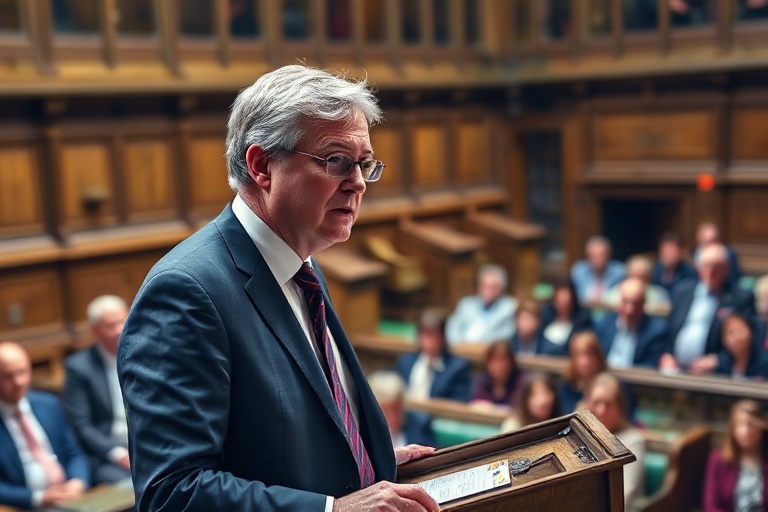
One of Benn’s most defining moments came during the Brexit debates in 2016. As the Shadow Foreign Secretary, he delivered a speech in Parliament that was widely praised for its clarity and conviction. In that address, Benn argued passionately for the importance of maintaining the UK’s ties with the European Union, not just for economic reasons but as a matter of global stability and cooperation. His stance was rooted in a belief that international relationships require more than transactional agreements; they demand shared values and long-term commitments.
Benn’s perspective on foreign policy extends beyond the EU. He has consistently advocated for a robust internationalist approach, emphasizing the UK’s role in global institutions like the United Nations and NATO. His tenure as Secretary of State for International Development (2003–2007) saw him championing aid and development, often clashing with those who viewed such efforts as secondary to domestic priorities. For Benn, the two were inseparable—a nation’s strength abroad is reflected in its compassion and reliability at home.
A Party Divided: Labour’s Internal Struggles
The Labour Party has been Benn’s political home, but it has also been a source of frustration. His career unfolded during a period of intense internal division, particularly during the leadership of Jeremy Corbyn. Benn, a centrist with a deep respect for parliamentary tradition, found himself at odds with the party’s leftward shift under Corbyn’s leadership. While he remained loyal to the party, his criticisms of Corbyn’s leadership style and policies were often subtle but unmistakable.
Benn’s commitment to Labour’s electoral viability often put him at odds with the party’s more ideological factions. He has been a vocal advocate for policies that resonate with the working class while also appealing to middle England—a balancing act that has become increasingly difficult in an era of polarized politics. His willingness to engage with difficult questions, such as the role of private enterprise in public services, has earned him both praise and criticism. To his supporters, he represents a pragmatic path forward; to his detractors, he embodies the compromises of mainstream politics.
Legacy and Future: What Lies Ahead for Hilary Benn?
As of 2024, Hilary Benn remains an active figure in British politics, though his influence has waned compared to the heights of his cabinet positions. His legacy is one of quiet persistence—a politician who prioritized substance over spectacle. Whether it was navigating the Iraq War debates as International Development Secretary or steering the UK’s foreign policy positions as Shadow Foreign Secretary, Benn’s career reflects the challenges of governance in an era of uncertainty.
Looking ahead, Benn’s future in politics is uncertain. At 71 years old, retirement is a natural consideration, though he has given no indication of stepping away soon. His experience and institutional knowledge make him a valuable voice in any discussion about Labour’s future direction, particularly as the party seeks to reconcile its traditional base with the demands of a younger, more progressive electorate.
For those interested in the intersection of politics and history, Benn’s career offers a compelling case study. His ability to adapt while staying true to his principles provides lessons for both aspiring politicians and engaged citizens. In an era where politics is often reduced to soundbites and social media outrage, Benn’s approach—measured, thoughtful, and grounded in evidence—stands out as a reminder of what effective leadership can look like.
Key Takeaways from Hilary Benn’s Career
Benn’s political journey can be distilled into several key themes that resonate beyond his own party:
- Principle and Pragmatism: Benn has consistently balanced his ideals with the realities of governance, a rare combination in today’s political climate.
- Internationalism: His advocacy for global cooperation and development reflects a belief that the UK’s strength lies in its relationships, not isolation.
- Parliamentary Tradition: Benn’s respect for parliamentary procedure and debate sets him apart in an era dominated by populist rhetoric.
- Party Loyalty vs. Personal Conviction: His career highlights the tensions between staying loyal to a party and maintaining personal integrity.
For readers interested in exploring more about British political history, the Politics section on Dave’s Locker offers a wealth of articles on similar themes. Whether it’s the evolution of the Labour Party or the challenges of modern governance, these pieces provide context for understanding figures like Hilary Benn.
Conclusion: A Politician for the Long Game
Hilary Benn’s career is a testament to the enduring power of patience and persistence in politics. In an era where leaders often prioritize short-term gains and viral moments, Benn’s focus on long-term impact and institutional integrity is refreshing. His story is not one of overnight fame or dramatic reversals but of steady service and quiet determination.
As the UK continues to grapple with its role in the world and the challenges of a divided society, figures like Benn serve as a reminder that politics is not just about winning elections—it’s about shaping the future. Whether through his work in international development, his contributions to foreign policy, or his unwavering commitment to Labour, Benn’s legacy is one of service, even if it doesn’t always make headlines.
For those who believe in the power of institutions and the importance of thoughtful leadership, Hilary Benn’s career offers both inspiration and a challenge: to stay the course, even when the world seems determined to move faster.