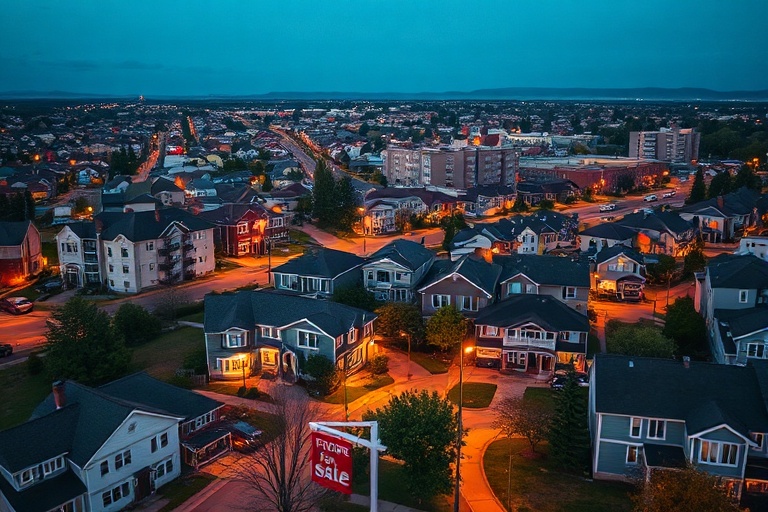
housing prices
The cost of housing has become one of the defining economic challenges of the 21st century. From Tokyo to Toronto, Berlin to Buenos Aires, rising property prices have reshaped urban landscapes and strained household budgets. The issue isn’t confined to major cities either—suburban areas and rural communities are feeling the squeeze as well. Understanding this phenomenon requires examining forces that go beyond simple supply and demand.
Historically, housing markets have reflected local economic conditions. But today, globalization and financialization have created a system where housing is no longer just a place to live. It’s an asset class, a retirement plan, and often, an unattainable dream for younger generations. This transformation has led to widespread frustration, protests, and policy debates across continents.
The Role of Investment and Speculation
One of the most significant drivers of rising prices is the increasing role of real estate as an investment vehicle. Large institutional investors, private equity firms, and even tech billionaires have poured capital into residential properties, treating them like stocks or bonds. This trend has been especially pronounced in cities with strong job markets and cultural appeal.
Consider Vancouver, Canada, where foreign investment and domestic speculation have pushed average home prices to over CAD $1.2 million. Or look at Lisbon, Portugal, where a surge in short-term rental investments—fueled by platforms like Airbnb—has reduced long-term housing availability. In both cases, locals have found themselves priced out of neighborhoods they once called home.
This financialization of housing has created a paradox: while prices soar, many properties sit vacant. Data from the United Nations suggests that as many as 11 million homes in the U.S. alone are left unoccupied at any given time, often held as speculative assets. The result is a market that prioritizes returns over residency, leaving communities hollowed out.
The Global Investor Landscape
Investors aren’t just local—capital flows freely across borders, often exploiting regulatory gaps. A 2023 report by Global Property Guide identified these top sources of foreign real estate investment:
- China: Historically a major buyer, especially in Australia, Canada, and the U.S., though recent capital controls have slowed some outflows.
- Middle East: Wealthy individuals and sovereign funds from the UAE, Qatar, and Saudi Arabia invest heavily in Europe and North America.
- U.S. & Europe: Domestic and intra-regional investments dominate, with pension funds and REITs driving demand in major metros.
These patterns aren’t accidental. Many countries have designed policies to attract foreign capital, offering golden visas, tax incentives, and relaxed ownership laws. While these measures can boost local economies, they often inflate prices beyond the reach of residents.
Policy Failures and Regulatory Gaps
Governments have struggled to keep pace with the evolving housing crisis. Zoning laws, tax policies, and construction regulations that were designed for mid-20th-century economies now feel outdated. In many cities, strict zoning has prevented new housing from being built, keeping supply artificially low. Meanwhile, tax policies often favor property owners over renters, further entrenching inequality.
Take Berlin, for example. In 2021, the city voted to expropriate over 200,000 apartments from corporate landlords, arguing that large-scale private ownership had distorted the market. The referendum, though ultimately blocked by courts, highlighted widespread frustration with unchecked corporate control over housing. Similar movements have emerged in Barcelona, London, and New York, where tenant unions and advocacy groups demand stronger protections.
On the other end of the spectrum, countries like Singapore and Switzerland have implemented strict supply-side policies. Singapore’s public housing program, which provides affordable units for over 80% of citizens, stands in stark contrast to many Western models. Meanwhile, Switzerland caps rents in certain areas and imposes heavy taxes on vacant properties. These approaches show that policy, not just market forces, shapes housing outcomes.
Cultural Shifts and Changing Priorities
Beyond economics and policy, cultural attitudes toward homeownership are evolving. For decades, owning a home was a cornerstone of the American Dream—a symbol of stability and success. Today, that dream feels increasingly out of reach for millennials and Gen Z. In the U.S., homeownership rates for adults under 35 have dropped by nearly 10% since 2000, according to the Federal Reserve.
This shift reflects broader changes in lifestyle preferences. Younger generations prioritize flexibility, mobility, and experiences over long-term commitments. The rise of remote work has further decentralized housing demand, with people leaving expensive urban centers for smaller cities or rural areas—where prices are rising as a result. The pandemic accelerated this trend, but it was already underway.
Culturally, the stigma around renting has faded. In countries like Germany and Japan, renting is not just common—it’s the norm. German tenants enjoy strong protections against eviction and rent hikes, making long-term renting a viable alternative to ownership. Meanwhile, in Japan, the concept of tatemae (public facade) and honne (true feelings) plays out in housing markets, where many live in compact apartments without aspirations of ever owning a home.
The Rise of Alternative Living Models
As traditional homeownership becomes less accessible, alternative housing models are gaining traction:
- Co-living spaces: Companies like WeLive and Common offer furnished, flexible rentals with shared amenities, targeting young professionals and digital nomads.
- Community land trusts: Nonprofits that acquire land to keep housing affordable in perpetuity, often used in cities like Atlanta and Burlington.
- Tiny homes: A response to both affordability and environmental concerns, with communities popping up in places like Portland and Austin.
These innovations reflect a growing recognition that the traditional housing market isn’t meeting everyone’s needs. Yet they also highlight the fragmentation of solutions—what works in one city may not translate to another.
The Path Forward: Can Housing Be Fixed?
There’s no single solution to the global housing crisis, but a combination of policy reforms, cultural shifts, and market interventions could help restore balance. Cities like Vienna and Vienna have demonstrated that it’s possible to maintain affordability through a robust public housing sector. Meanwhile, cities like Tokyo have kept prices relatively stable by deregulating zoning and encouraging new construction.
Yet progress is slow. Political inertia, corporate resistance, and entrenched interests often stall reform. In the U.S., for example, the National Association of Realtors has lobbied against zoning reforms that would allow more dense, affordable housing. In Europe, short-term rental platforms continue to challenge local governments over regulations.
The housing crisis isn’t just about numbers—it’s about people. It’s about the teacher commuting two hours to afford a home in her city. It’s about the young couple delaying parenthood because they can’t secure a mortgage. It’s about the elderly couple forced to sell the family home after decades because property taxes have outpaced their fixed income.
Addressing this crisis will require rethinking what housing is for. Is it a commodity to be traded, or a basic human need to be met? The answer will shape cities, economies, and lives for decades to come.
For now, the trend continues upward. But history shows that markets can change—and so can policies. The question is whether change will come fast enough for those being left behind.
Explore more Business insights on Dave’s Locker or check out our Analysis section for deeper dives into economic trends.