Oil Tanker: The Vital Link in Global Energy Transport
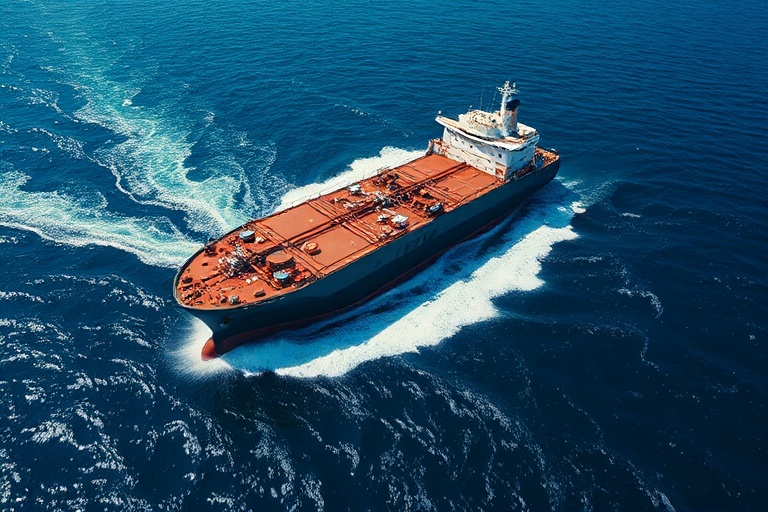
The oil tanker remains one of the most critical vessels in global trade, silently ferrying millions of barrels of crude oil and refined products across oceans every day. These massive ships, often overlooked in favor of flashier maritime vessels, underpin the modern energy economy. Without them, the world’s refineries would run dry, fuel prices would skyrocket, and entire industries would grind to a halt. Their role is so foundational that disruptions in their operations can send shockwaves through markets, politics, and even international relations.
The sheer scale of oil tankers is staggering. The largest among them, known as Ultra Large Crude Carriers (ULCCs), can stretch over 400 meters in length—longer than four football fields—and carry nearly 500,000 deadweight tons of oil. To put that into perspective, a single voyage of such a vessel can supply enough crude to meet the daily energy needs of an entire country. This immense capacity is what makes oil tankers indispensable to a world still heavily reliant on fossil fuels.
The Evolution of Oil Tankers: From Wooden Barrels to Mega Ships
The history of oil tankers traces back to the mid-19th century, long before the internal combustion engine dominated global transportation. Early oil transport relied on wooden barrels stacked in the holds of general cargo ships, a method fraught with inefficiency and risk. The first true oil tanker, the Glückauf, was launched in 1886 by Germany’s Deutsche Petroleum-Aktien-Gesellschaft. Unlike its predecessors, the Glückauf featured iron hulls and separate compartments for oil storage, dramatically reducing spillage and improving safety.
The 20th century saw rapid advancements in tanker design and technology. The introduction of the Mariner-class tankers in the 1950s marked a turning point, incorporating advanced navigation and safety features. By the 1970s, the industry had shifted toward massive supertankers, driven by economies of scale and the growing demand for oil in post-war economies. Today, the fleet includes a diverse range of vessels, from small coastal tankers to colossal ULCCs, each tailored to specific trade routes and cargo types.
One of the most significant milestones in tanker development was the introduction of the double-hull design in the late 20th century. After high-profile oil spills, such as the Exxon Valdez disaster in 1989, regulators mandated that new tankers incorporate double hulls to prevent catastrophic spills. This innovation has since become a global standard, significantly reducing the environmental impact of oil transport.
How Oil Tankers Keep the World Running: Key Operations and Challenges
Oil tankers operate within a complex global supply chain that spans exploration, refining, and distribution. Their journey typically begins at an oil field or port, where crude oil is loaded onto the vessel. From there, the tanker navigates through strategic chokepoints—such as the Strait of Hormuz, the Suez Canal, or the Strait of Malacca—before reaching its destination refinery. The efficiency of this process is critical, as delays or disruptions can lead to fuel shortages and price volatility.
Several factors influence the operations of oil tankers, including geopolitical tensions, weather conditions, and regulatory compliance. Here are some of the key challenges faced by the industry:
- Geopolitical Risks: Oil tankers often operate in regions plagued by conflict or political instability. For example, the Strait of Hormuz, a vital chokepoint for Middle Eastern oil exports, has been a flashpoint for tensions between Iran and Western powers. Any disruption in this area can lead to supply chain bottlenecks and price spikes.
- Environmental Regulations: The International Maritime Organization (IMO) has implemented stringent regulations to reduce the environmental impact of oil tankers. These include limits on sulfur emissions, ballast water management, and the phasing out of single-hull tankers. Compliance with these rules often requires costly retrofits or fleet upgrades.
- Piracy and Security Threats: High-risk areas, such as the Gulf of Aden and the waters off West Africa, are notorious for piracy. Tankers transiting these regions often require armed guards or escort vessels to ensure safe passage, adding to operational costs.
- Market Volatility: The oil market is notoriously unpredictable, influenced by factors such as OPEC decisions, geopolitical events, and shifts in global demand. Tanker operators must constantly adapt to these fluctuations to remain profitable.
The COVID-19 pandemic highlighted another layer of complexity for oil tankers. As global demand plummeted in 2020, tankers were repurposed as floating storage units, with some vessels anchored for months while waiting for prices to recover. This period underscored the tanker’s role not just as a transport vessel, but as a critical component of global supply chain resilience.
The Broader Implications: Economic, Environmental, and Geopolitical Impact
The influence of oil tankers extends far beyond the maritime industry. Economically, they are a linchpin of global trade, enabling the movement of approximately 2 billion tons of oil annually. This trade supports countless industries, from transportation to manufacturing, and underpins the economic stability of oil-dependent nations. However, the reliance on oil tankers also exposes economies to vulnerabilities, particularly in times of crisis.
Environmentally, the oil tanker industry faces intense scrutiny due to its potential for spills, emissions, and ecological damage. While modern tankers are far safer than their predecessors, accidents still occur. The Erika spill in 1999 and the Prestige disaster in 2002 served as stark reminders of the catastrophic consequences of tanker failures. These incidents have driven stricter regulations and technological innovations, but the risk remains a persistent concern for environmental advocates.
Geopolitically, oil tankers are often at the center of international disputes. The U.S. and China, the world’s two largest oil importers, rely heavily on tanker traffic to meet their energy needs. This dependence creates a delicate balance, where disruptions in supply chains can strain diplomatic relations. For instance, sanctions on Iran and Venezuela have forced tanker operators to navigate complex legal and financial landscapes, often requiring creative solutions to keep trade flowing.
Looking ahead, the oil tanker industry stands at a crossroads. The global push toward renewable energy and decarbonization threatens to reduce long-term demand for oil, potentially rendering some tanker routes obsolete. Yet, for the foreseeable future, oil will remain a dominant energy source, and tankers will continue to play a vital role in its transportation. The industry’s ability to adapt—through technological innovation, sustainability initiatives, and strategic diversification—will determine its relevance in the decades to come.
Conclusion: The Indispensable Giant of the Seas
Oil tankers are more than just ships; they are the lifeblood of the modern energy economy. Their operations are a testament to human ingenuity, engineering prowess, and the relentless pursuit of efficiency. Yet, their existence also raises profound questions about sustainability, security, and the future of global energy. As the world transitions toward cleaner alternatives, the role of oil tankers will inevitably evolve, but their importance is unlikely to fade entirely.
For now, these colossal vessels continue their silent voyages across the world’s oceans, carrying the fuel that powers nations, industries, and daily life. Their story is one of adaptation, resilience, and the enduring interplay between human ambition and the natural world. Whether through technological advancements or shifts in global energy policies, the oil tanker’s legacy is far from over.
To learn more about the maritime industry and its broader impacts, explore our News and Analysis sections for in-depth coverage of related topics.