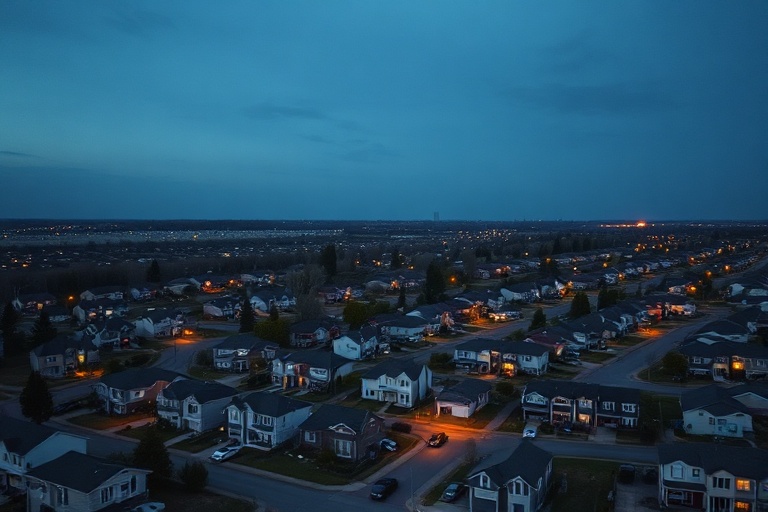
Housing Prices in 2024: Trends, Challenges, and What’s Ahead
Understanding the forces shaping today’s real estate market requires looking beyond simple supply and demand. Factors like interest rates, demographic shifts, and economic policies all play critical roles in determining where housing prices are headed.
The Role of Interest Rates in Today’s Market
The Federal Reserve’s monetary policy has a direct impact on housing affordability. When interest rates rise, monthly mortgage payments increase, reducing the pool of qualified buyers. This dynamic creates downward pressure on prices in overheated markets. Conversely, lower rates can fuel bidding wars, especially in high-demand urban centers.
Consider the recent Fed rate hikes. In 2023, the average 30-year fixed mortgage rate climbed from 3.22% to over 7%, cooling price growth in many regions. Homebuyers who locked in lower rates before 2022 now face hesitation to sell, further constricting inventory. This imbalance between supply and demand has kept prices elevated despite economic uncertainty.
For those monitoring trends, Dave’s Locker News provides regular updates on economic indicators affecting housing. The interplay between rates and prices underscores how deeply financial policy influences everyday living costs.
Demographic Shifts Reshaping Demand
Millennials and Gen Z now dominate the homebuying market, but their priorities differ from previous generations. Remote work flexibility has led many to prioritize affordability over location, driving demand to suburban and mid-sized cities. Places like Boise, Idaho, and Raleigh, North Carolina, have seen explosive growth as buyers seek more space for less money.
Meanwhile, Baby Boomers are aging in place, reducing the supply of larger homes for sale. This generational shift creates a bottleneck for younger families looking to upsize. In coastal cities like San Francisco, high prices persist as limited inventory meets persistent demand from tech workers and investors.
The Impact of Inflation and Construction Costs
Inflation has driven up the cost of building materials, labor, and land, forcing developers to pass those expenses to buyers. Lumber prices alone surged by over 100% at their peak in 2021, contributing to a 15% increase in new home prices that year. While material costs have stabilized somewhat, labor shortages continue to slow construction timelines.
Zoning laws also play a role. In many cities, restrictive regulations limit the construction of affordable housing, exacerbating supply shortages. Cities like Minneapolis and Portland have begun relaxing zoning codes to encourage denser development, but progress remains slow. Without significant changes, the gap between supply and demand will likely persist.
For a deeper look at economic trends, explore Dave’s Locker Analysis, where experts dissect the forces shaping markets.
Investor Activity and Its Ripple Effects
Corporate investors and real estate investment trusts (REITs) have become major players in the housing market. In 2023, institutional buyers accounted for nearly 25% of single-family home purchases in some markets. This trend reduces the number of homes available to owner-occupants, particularly first-time buyers.
The rise of short-term rental platforms like Airbnb has also transformed the market. Landlords in tourist-heavy areas can earn higher returns by converting properties into vacation rentals, further tightening the supply of long-term housing. Cities like Nashville and Austin have responded with stricter regulations, but the trend shows no signs of slowing.
Here’s how investor activity breaks down in key markets:
- Phoenix, AZ: Investors purchased 31% of homes in 2023, up from 22% in 2019.
- Miami, FL: Foreign investors drove demand, with 18% of purchases going to international buyers.
- Atlanta, GA: Corporate buyers dominated the rental market, controlling 15% of available units.
The Outlook for 2024 and Beyond
Looking ahead, housing prices are expected to stabilize rather than plummet. The Fed’s pause on rate hikes in late 2023 provided temporary relief, but affordability remains a challenge for many. Economists predict modest price growth of 2-4% in most regions, with some markets experiencing slight declines.
Policy changes could also shift the landscape. Proposals like expanded down payment assistance and tax incentives for first-time buyers may ease pressure on entry-level buyers. However, political gridlock could delay implementation, leaving the market to navigate current trends.
The housing market in 2024 will likely reflect a cautious optimism. Buyers who can secure favorable financing and sellers who price competitively will find opportunities, but the days of rapid appreciation appear to be behind us. For now, patience and adaptability will be key.
What Buyers and Sellers Can Do Now
For buyers, the market demands creativity. Exploring less competitive neighborhoods or considering fixer-uppers can uncover hidden value. First-time buyers should also investigate local programs offering grants or low-interest loans. The Dave’s Locker Education section offers resources for navigating financing options.
Sellers, meanwhile, should focus on differentiation. Staging, strategic pricing, and highlighting unique features can make a property stand out in a slower market. Overpricing in hopes of a bidding war is less effective when inventory is abundant.
Ultimately, the housing market is a reflection of broader economic forces. While short-term fluctuations may create anxiety, long-term trends suggest resilience. Those who approach the market with flexibility and informed strategies will be best positioned to succeed.
For ongoing coverage of housing trends and market analysis, stay tuned to Dave’s Locker. The real estate landscape is complex, but understanding its nuances can lead to smarter decisions for buyers, sellers, and investors alike.