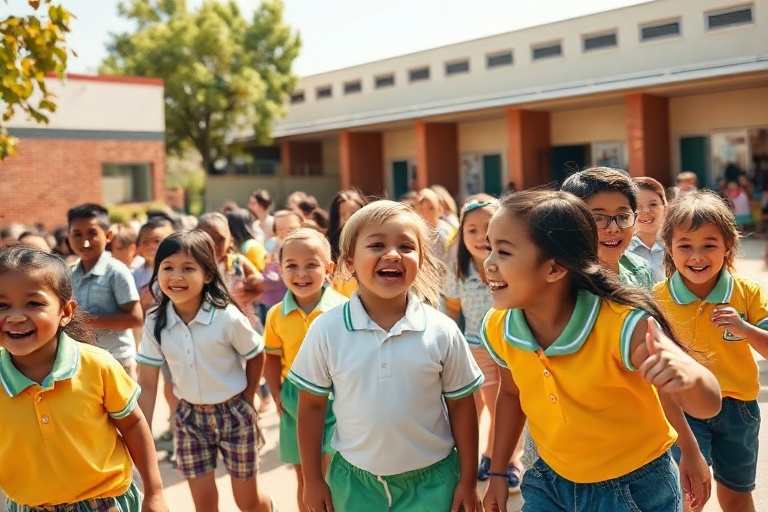
How Modern Schools Are Adapting to New Challenges
Schools have long served as the foundation of education, shaping young minds and preparing them for future challenges. Yet today, their role extends far beyond traditional academics. Modern schools must adapt to technological advancements, changing social dynamics, and evolving workforce demands. This transformation is reshaping how students learn, how teachers instruct, and how communities engage with education.
The Changing Purpose of Schools
Historically, schools focused primarily on core subjects like math, science, and literature. While these remain essential, contemporary education now emphasizes holistic development. Social-emotional learning (SEL) has gained prominence, teaching students skills like empathy, resilience, and teamwork. Schools increasingly incorporate these lessons into daily routines, recognizing their importance alongside academic achievement.
Another shift involves career readiness. Vocational programs and partnerships with local businesses provide students with hands-on experience in fields like healthcare, technology, and skilled trades. These initiatives bridge the gap between classroom learning and real-world application, ensuring graduates are better prepared for the job market.
Equity in education has also become a priority. Schools now address disparities in resources, access, and support, particularly for marginalized communities. Initiatives like free meal programs, tutoring services, and inclusive curricula aim to level the playing field. These efforts reflect a broader commitment to ensuring every student has the opportunity to succeed.
Technology’s Impact on Classrooms
Digital tools have revolutionized how students learn and teachers teach. Interactive whiteboards, educational apps, and online resources enhance engagement and personalize learning. Students can explore virtual labs, collaborate on global projects, and receive instant feedback on assignments. These innovations make education more dynamic and accessible.
Yet technology also presents challenges. Not all students have equal access to devices or reliable internet, creating a digital divide. Schools must invest in infrastructure to ensure every learner can participate. Additionally, concerns about screen time and online safety require careful management by educators and parents alike.
Artificial intelligence (AI) is beginning to play a role in education as well. Adaptive learning platforms use AI to tailor lessons to individual needs, identifying strengths and weaknesses in real time. While promising, this technology raises questions about data privacy and the role of human educators in guiding student growth.
Key Technological Tools in Modern Classrooms
- Learning Management Systems (LMS): Platforms like Google Classroom and Canvas streamline assignments, grading, and communication.
- Interactive Content: Tools like Kahoot! and Nearpod turn lessons into interactive games, boosting student participation.
- Virtual Reality (VR): VR field trips allow students to explore historical sites or conduct science experiments without leaving the classroom.
- AI Tutors: Programs like Duolingo and Socratic provide personalized assistance outside traditional class hours.
The Rise of Alternative Learning Models
Traditional brick-and-mortar schools are no longer the only option for education. Homeschooling, micro-schools, and hybrid models offer flexibility tailored to diverse needs. Homeschooling, for example, allows families to customize curricula based on their values and children’s interests. Micro-schools, often smaller and community-focused, foster close relationships between students and teachers.
Online learning has also surged in popularity, especially post-pandemic. Platforms like Dave’s Locker Education provide courses that complement or replace traditional schooling. These models appeal to students who require non-traditional schedules, live in remote areas, or seek accelerated learning paths.
However, alternative models come with trade-offs. Homeschooled students may miss out on socialization opportunities, while online learners often struggle with self-discipline. The key lies in finding the right balance between flexibility and structure to meet each student’s needs.
The Role of Schools in Mental Health and Well-being
Schools are increasingly recognized as vital hubs for mental health support. Counselors, social workers, and peer mentoring programs address issues like anxiety, bullying, and stress. Many schools now integrate mindfulness exercises, stress-management workshops, and mental health awareness campaigns into their routines.
Extracurricular activities also play a crucial role in student well-being. Sports teams, arts programs, and clubs provide outlets for creativity and social connection. These activities foster a sense of belonging and help students develop coping skills for life’s challenges.
Yet challenges remain. Overworked staff, underfunded programs, and rising student-to-counselor ratios can limit effectiveness. Advocates argue for increased investment in mental health resources, ensuring schools can meet the growing demand for support.
How Schools Support Student Mental Health
- On-Site Counselors: Trained professionals provide one-on-one support and crisis intervention.
- Peer Mentoring: Older students mentor younger ones, fostering community and reducing isolation.
- Mindfulness Programs: Practices like meditation and deep breathing are incorporated into daily routines.
- Partnerships with Local Organizations: Schools collaborate with mental health nonprofits to offer workshops and resources.
Looking Ahead: The Future of Schools
The next decade will likely bring even more innovation to education. Concepts like competency-based learning—where students advance upon mastering skills rather than completing time-based courses—are gaining traction. This approach prioritizes mastery over memorization, aligning education more closely with real-world demands.
Sustainability is another emerging focus. Green schools, with energy-efficient buildings and eco-conscious curricula, teach students about environmental stewardship. These initiatives prepare students to become responsible global citizens while reducing schools’ carbon footprints.
Ultimately, the future of schools hinges on adaptability. Whether through technology, alternative models, or mental health support, education must evolve to meet the needs of 21st-century learners. The goal remains unchanged: to equip students with the knowledge, skills, and resilience to thrive in an ever-changing world.
As we reconsider the role of schools, one thing is clear: they are no longer just institutions of learning. They are dynamic ecosystems that nurture growth, innovation, and community. By embracing change and prioritizing student well-being, schools can continue to serve as pillars of society for generations to come.